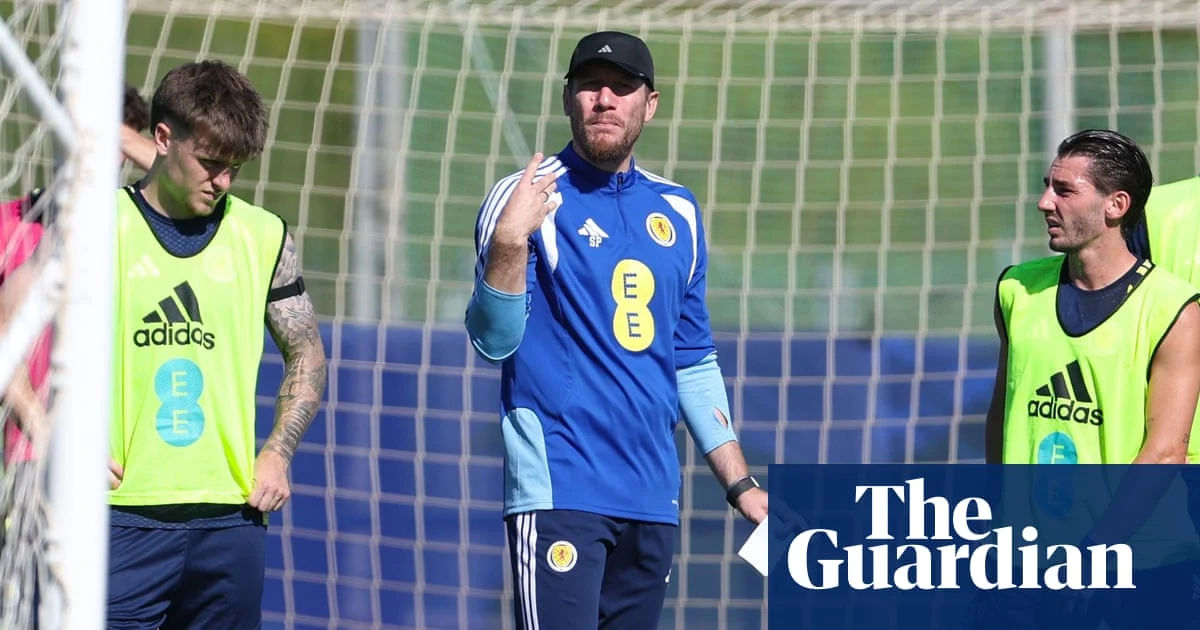
Sebastien Pocognoli has been named head coach of the Scotland men’s national team, marking a significant transitional moment for the Scottish FA as the organization seeks to avoid further disappointment on the international stage.
The appointment comes amid growing expectations surrounding Euro 2028, which Scotland is set to co-host. With time seen as a luxury in modern football management, Pocognoli’s tenure begins under intense scrutiny despite limited prior experience at the international level.
KEY FACTS
- Sebastien Pocognoli named head coach of Scotland’s men’s national team.
- His salary is reportedly seven figures annually at base level.
- The Scottish FA aims to improve talent identification and recruitment.
- Scotland will co-host Euro 2028, making qualification highly probable.
- Pocognoli called up several young and untested players for early fixtures.
How did we get here?
The decision follows mounting criticism of former manager Steve Clarke, whose leadership faced increasing skepticism among fans and media alike. While the summary notes that some dissatisfaction may have been “partly unfair,” there was clear momentum behind a change in direction. The Scottish FA positioned Pocognoli—a relatively unknown figure in top-level coaching—as a potential catalyst for renewal. His background includes playing experience and lower-division managerial roles, though he has never led a major nation before. This marks a calculated risk aimed at resetting team dynamics and aligning with evolving strategies around player development.
What happens next?
Pocognoli officially takes charge starting with upcoming matches, including an opening fixture in Slovenia as part of the UEFA Nations League. These initial games are expected to serve more as exploratory opportunities than high-pressure showdowns, allowing him to test tactical ideas and evaluate new recruits. Notably, the inclusion of “untried and young players” signals intent to groom future talent while assessing current squad depth. However, legacy figures from the previous regime—those deemed “Clarke’s mainstays”—remain vital components of the roster. As results begin to accumulate, fan patience could wear thin unless progress becomes evident both in form and strategic evolution.
Why It Matters
For Scottish football, stability and upward trajectory matter both culturally and competitively. A successful transition would not only boost morale domestically but also enhance Scotland’s profile internationally. Failure, however, might deepen concerns about systemic issues within the Scottish FA—particularly regarding long-term planning and consistency in leadership choices. Regardless of outcome, this moment underscores broader themes common across smaller football nations striving for recognition amidst resource constraints and shifting global ambitions.
What to Watch
Initial reactions during the Nations League campaign will indicate whether Pocognoli’s approach resonates with players and supporters. Further clarity on expanded scouting initiatives tied to eligibility rules should also emerge soon.
WHAT WE KNOW & WHAT WE DON’T
Verified by the source:
- Sebastien Pocognoli was appointed head coach of Scotland.
- He previously worked in lower-tier coaching roles.
- His contract includes a base salary in the seven-figure range.
- Young and untested players were included in recent call-ups.
- Euro 2028 hosting increases likelihood of automatic qualification.
Still unconfirmed:
- Exact start date of Pocognoli’s managerial duties.
- Confirmed list of newly selected players.
- Specific targets set by the Scottish FA for improvement.
- Extent of influence from external consultants or advisors.