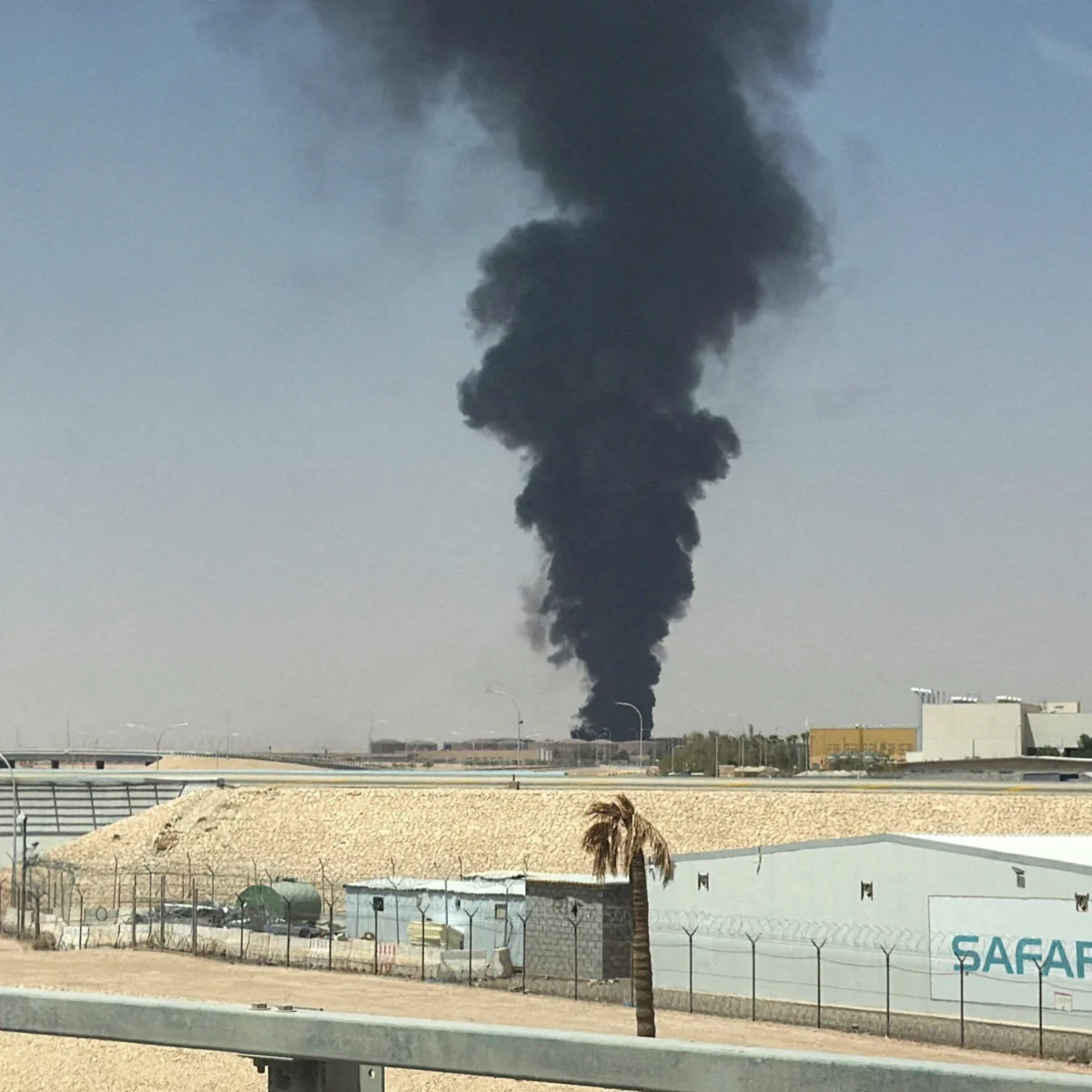
A Saudi-led coalition has launched a new military campaign against the Iran-backed Houthi group in Yemen, reviving memories of a previous Saudi effort that became mired in difficulty. This escalation underscores the ongoing complexity of Yemen’s conflict and Saudi Arabia’s persistent role in it.
The renewed push also signals that Saudi Arabia continues to view the Houthi movement as a direct threat, despite years of warfare that have devastated large parts of Yemen and left millions in need of humanitarian aid. These dynamics have left regional observers questioning whether this latest campaign will face similar pitfalls to earlier operations.
Key Facts
- Saudi-led coalition announced a military campaign against Houthi militia in Yemen.
- The Houthis are described as Iran-backed.
- The campaign revives memories of Saudi Arabia’s previous effort in Yemen.
- The earlier campaign is characterized as having turned into a quagmire.
What Is the Latest Development?
Saudi Arabia’s decision to announce a fresh military campaign suggests a renewed focus on countering Houthi influence, particularly given the group’s reported ties to Iran. Regional analysts have long noted that Yemen’s conflict involves multiple external actors, complicating any straightforward military solution.
The concept of a quagmire refers to a situation where military engagement becomes prolonged, costly, and strategically uncertain. Saudi Arabia’s previous involvement in Yemen has been marked by high expenses, limited territorial gains, and ongoing instability along its southern border.
These recurring challenges highlight structural issues in modern warfare, where conventional military power often struggles to achieve decisive outcomes against non-state or insurgent groups. The new campaign may be shaped by lessons drawn from that earlier experience, though specifics remain unclear.
Who Is Affected by This Escalation?
The people of Yemen continue to bear the brunt of repeated cycles of violence. Years of conflict have disrupted essential services, displaced millions internally, and created one of the world’s most severe humanitarian crises.
Saudi Arabia itself faces risks from renewed hostilities, including potential retaliatory strikes and the strain of sustaining another extended military commitment. Economic and political costs often compound long after initial engagements begin.
Broadly, regional stability remains in question as this latest development adds another layer to an already fragmented landscape involving various tribal, sectarian, and geopolitical interests across the Middle East.
What We Know — and What We Don‗t
Verified by the source:
- A Saudi-led coalition announced a military campaign against the Houthi militia in Yemen.
- The Houthi militia is described in the source as Iran-backed.
- The current campaign revives memories of a prior Saudi-led effort in Yemen.
- That prior effort is described as having turned into a quagmire.
Still unconfirmed:
- The specific timing or duration of the newly announced campaign.
- Concrete evidence of direct Iranian operational support for the Houthis.
- Military objectives, strategy, or expected outcomes of the current campaign.
- Casualty figures or territorial changes associated with either campaign.
- Positions of other regional or international actors regarding the escalation.
Why It Matters
For readers concerned with global stability, recurring military interventions in Yemen illustrate how deeply entrenched conflicts resist quick resolution. Each cycle of violence reshapes alliances, strains diplomatic channels, and deepens humanitarian suffering. Understanding these patterns helps contextualize broader shifts in Middle Eastern geopolitics. This ongoing instability also impacts global energy markets, refugee flows, and international security cooperation. Keeping informed about verified developments ensures public awareness remains grounded in documented reality rather than speculation.
What To Watch
Officials have not yet provided detailed timelines or stated measurable goals for the current campaign. Further reporting may clarify whether this effort differs meaningfully from previous Saudi-led operations. Readers are encouraged to follow updates from trusted [war-geopolitics] and [politics] sources for evolving developments.