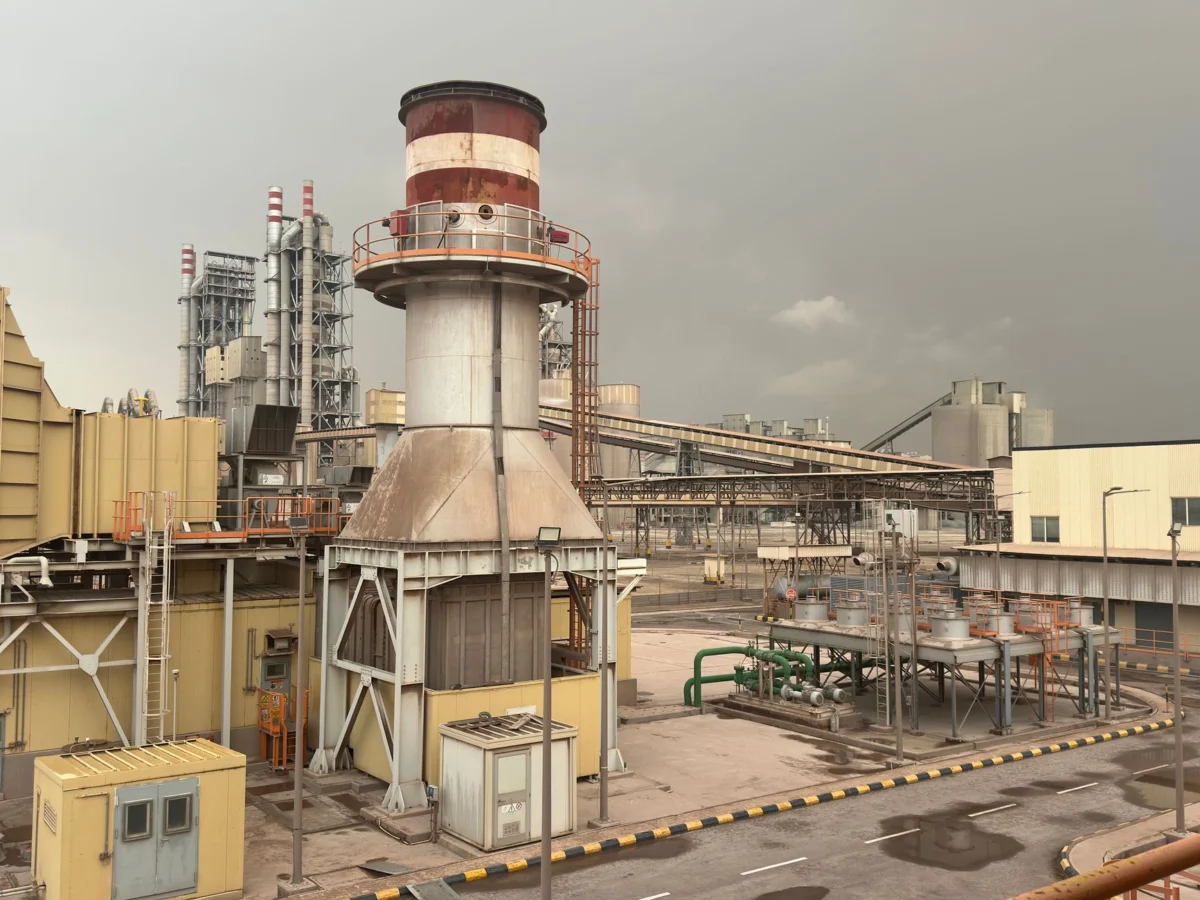
Saudi Arabia is confronting growing economic strain as oil attacks disrupt its energy infrastructure, highlighting the limitations of U.S. support under President Trump’s administration.
Riyadh continues to depend on Washington for security assistance, but American backing has remained constrained. These oil attacks underscore how the ongoing conflict with Iran is exacting a mounting cost on the Saudi economy.
KEY FACTS
- Oil attacks are restricting Saudi oil output.
- Saudi Arabia is enduring economic consequences from regional conflict.
- U.S. assistance to Saudi Arabia remains limited.
- The conflict with Iran is increasing pressure on Riyadh.
The Cost of Regional Conflict
The oil attacks targeting Saudi energy infrastructure represent a direct threat to the kingdom’s primary revenue source. Crude oil exports fund a large portion of the national budget, making disruptions especially damaging. These incidents reflect broader instability tied to the unresolved conflict with Iran, which has created persistent vulnerabilities for Saudi Arabia’s economy.
Limitations of U.S. Support
Despite a long-standing strategic partnership with the United States, Saudi Arabia appears to be receiving only partial backing in response to these oil attacks. American support has historically included military cooperation and diplomatic backing, but current assistance seems circumscribed. This dynamic raises questions about how much Saudi Arabia can rely on its alliance with the U.S. during periods of heightened regional tension.
What Happens Next?
Going forward, the frequency and impact of oil attacks will likely influence both Saudi domestic resilience and its foreign policy calculations. If disruptions persist, the economic toll could deepen, forcing difficult decisions about defense spending and diplomatic outreach. At the same time, shifts in U.S. policy or posture toward Iran may either ease or worsen the situation for Saudi Arabia.
What We Know — and What We Don’t
Verified by the source:
- Oil attacks are affecting Saudi oil production.
- Saudi Arabia is experiencing economic pressure linked to these attacks.
- U.S. support has been described as limited or circumscribed.
- The context references ongoing conflict with Iran.
Still unconfirmed:
- Precise locations or scale of the oil attacks.
- Exact damage to specific facilities.
- Names or titles of individuals involved in decision-making.
- Official U.S. government responses or commitments.
Why It Matters
Stability in Saudi Arabia plays a central role in global energy markets and Middle Eastern geopolitics. Continued oil attacks threaten not only the kingdom’s economy but also worldwide energy supply chains. Understanding these dynamics helps readers follow how international alliances like the one between the U.S. and Saudi Arabia shape responses to regional crises.
What To Watch
Further developments depend on whether new oil attacks occur and if diplomatic efforts emerge to reduce tensions with Iran. The level of future U.S. involvement remains unclear, and additional reporting may clarify whether support expands or stays restricted.
Saudi Arabia faces mounting economic and diplomatic challenges as oil attacks expose vulnerabilities in its alliance with the United States. These attacks are tightening pressure on Riyadh’s energy exports and highlighting limits in Trump-era U.S. foreign policy toward the region.