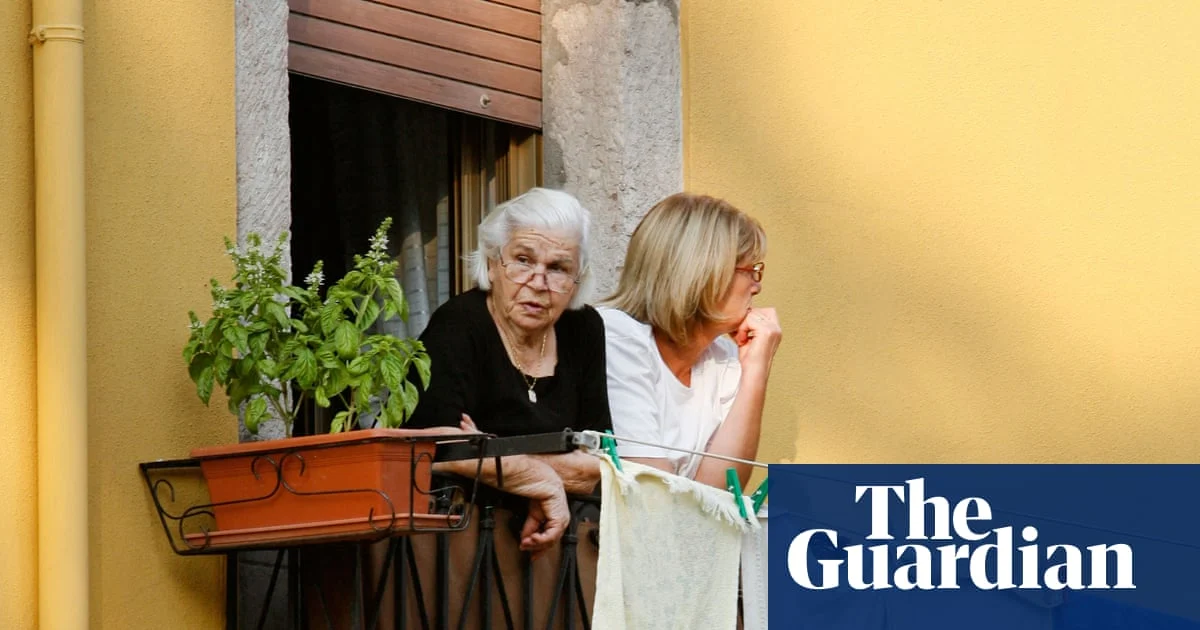
In Bolotana, Sardinia, 13% of women who reach 70 may live to 100, potentially qualifying it as a centenarian blue zone.
The village’s longevity pattern differs from Sardinia’s existing blue zones, which historically highlighted male centenarians. A study focusing on centenarians in this mountain village suggests female longevity may define Bolotana’s future blue zone status.
KEY FACTS
- Bolotana lies 70 miles from Sardinia’s original centenarian blue zone.
- 70% of women reaching 70 years may live to 100 in Bolotana.
- The area is being studied as a potential centenarian blue zone.
- Sardinia was named a centenarian blue zone in 1999 for male longevity clusters.
- The Guardian reports on the study highlighting female centenarian rates.
The Longevity Shift
Sardinia’s earlier blue zones, identified in 1999, were notable for clusters of long-lived men. These communities sat in central and eastern mountainous provinces.
Bolotana, located 70 miles away, presents a different demographic trend. Here, women dominate centenarian statistics, with 13% of female residents who reach age 70 living to 100. That contrasts with earlier findings emphasizing male longevity.
Researchers are examining whether Bolotana could qualify as a centenarian blue zone, given its distinct gendered longevity patterns. The study underscores how geographic and social factors may influence lifespan differently across communities.
Who Is Affected by This Research?
The centenarian blue zone designation typically signals regions with unusually high numbers of residents reaching 100 years of age. These areas attract scientific interest and health tourism alike.
In Bolotana, women are the primary demographic contributing to these rates. Their longevity may reflect genetic, lifestyle, or environmental influences unique to the village.
Local policymakers and researchers may use this data to shape public health initiatives or advocate for formal recognition by global wellness organizations.
What Happens Next?
Further analysis of Bolotana’s demographic records could lead to its inclusion among recognized longevity hotspots. Scientists may seek additional funding for longitudinal studies tracking surviving centenarians.
If verified, Bolotana might join global networks promoting healthy aging practices. Tourism boards could also begin marketing the village as part of centenarian blue zone heritage routes.
WHAT WE KNOW — AND WHAT WE DON’T
Verified by the source:
- Bolotana is 70 miles from Sardinia’s original centenarian blue zone.
- 13% of women in Bolotana reaching 70 may live to 100.
- The village is under study for potential centenarian blue zone status.
- Sardinia joined global centenarian blue zones in 1999.
Still unconfirmed:
- The exact number of centenarians currently residing in Bolotana.
- Causes behind higher female longevity rates in the village.
- Whether other villages show similar gender-skewed longevity trends.
Bolotana’s potential centenarian blue zone status reflects growing interest in female longevity, expanding beyond traditional male-centered blue zone research. If confirmed, it could shift longevity science focus toward gender-specific aging factors in isolated populations. War-geopolitics and health-science implications include resource allocation and regional identity.
WHY IT MATTERS
Identifying new centenarian blue zones helps researchers uncover lifestyle habits and medical insights linked to long lives. By highlighting female dominance in Bolotana’s longevity stats, the study adds nuance to global aging narratives.
WHAT TO WATCH
Watch for peer-reviewed publications detailing longitudinal data from Bolotana. Additional demographic surveys may influence whether the village receives official centenarian blue zone recognition in future health policy reviews.