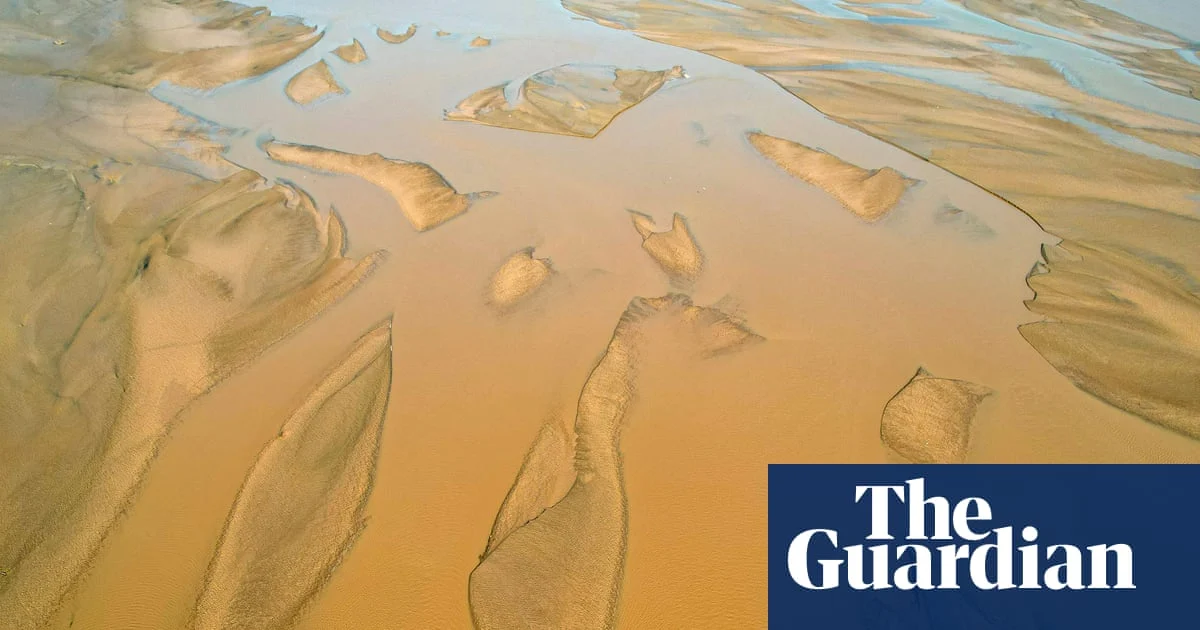
Accelerated demand for concrete has led to a rapid increase in sand and gravel extraction from river systems, outpacing natural replenishment. This heightened rate of removal is weakening riverbanks and contributing to various ecological challenges, according to recent research.
A study published in Reviews of Geophysics highlights that the global demand for sand and gravel has more than doubled over the last two decades. Much of this material is being sourced from rivers across Asia and Africa to support extensive urban development and infrastructure projects.
Key Facts
- Concrete demand drives sand overextraction from riverbeds.
- Demand for sand and gravel has more than doubled since 2000.
- Over 80% of current demand originates from Asia.
- Extraction is weakening riverbanks and lowering groundwater levels.
- 28 billion tonnes of sand and gravel were used in 2024.
What Are the Environmental Impacts?
The rapid removal of sand and gravel from riverbeds has multiple environmental consequences. Beyond weakening riverbanks, this practice is linked to lower groundwater levels, which can impact local ecosystems and water availability for communities. It also contributes to coastal salt intrusion, where saltwater encroaches into freshwater sources, and diminishes water quality, affecting both human populations and aquatic life.
Researchers reviewed data spanning from 1974 to understand the long-term trends in extraction. Their findings indicate that current extraction rates often exceed the natural rate at which sediment is replaced severalfold. This imbalance suggests a unsustainable pattern that could have lasting effects on river systems and surrounding environments.
Where is the Demand Coming From?
The global surge in demand for sand and gravel is largely concentrated in Asia, which accounts for over 80% of the current usage. This high demand is primarily driven by extensive urban development and road-building initiatives, particularly in China and India. These countries are undergoing rapid modernization and expansion, requiring vast quantities of concrete for new cities, infrastructure, and transportation networks. The material supporting this growth is frequently extracted from rivers in both Asia and Africa.
In 2024 alone, approximately 28 billion tonnes of sand and gravel were converted into concrete for various city-building and infrastructure projects worldwide. This substantial figure underscores the scale of the material extraction occurring globally. The continuous demand for these raw materials, especially from river systems, presents significant challenges for environmental sustainability and resource management.
What We Know — and What We Don’t
Verified by the source:
- Demand for sand and gravel has more than doubled since 2000.
- 80% of current sand and gravel demand comes from Asia.
- Sand and gravel extraction causes weaker riverbanks, lower groundwater, coastal salt intrusion, and poorer water quality.
- 28 billion tonnes of sand and gravel were used for concrete in 2024.
- Much of the material is extracted from rivers in Asia and Africa.
Still unconfirmed:
- Precise figures for sand and gravel extraction in specific regions due to data scarcity.
- The full long-term ecological and socio-economic impacts of this overextraction.
- Specific government or industry responses to the findings of the research.
- Detailed breakdown of extraction volumes per country or river system.
Why It Matters
The overextraction of sand and gravel from riverbeds represents a critical environmental challenge with far-reaching consequences for ecosystems and human communities. It highlights the direct link between global development, resource consumption, and environmental degradation. Understanding these impacts is crucial for sustainable urban planning and resource management, especially as global infrastructure needs continue to grow. This issue touches upon climate and environment concerns directly.
What To Watch
Future monitoring of sand and gravel extraction rates and their ecological impacts will be important. Discussions around sustainable alternatives or extraction methods could emerge in response to these findings.