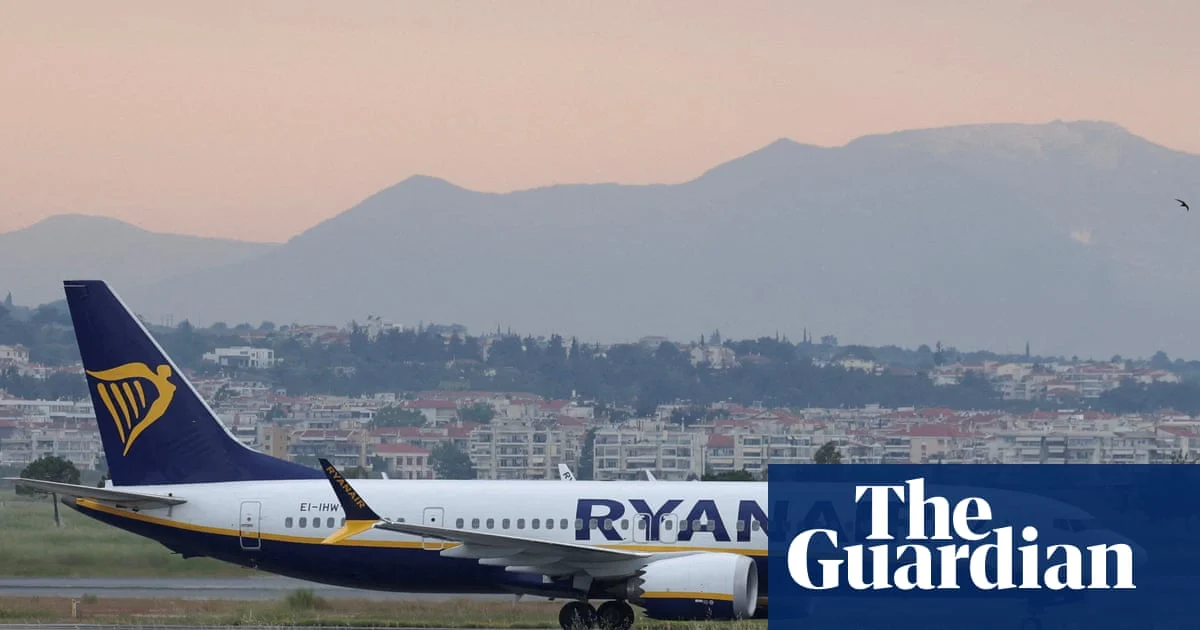
Ryanair’s chief executive Michael O’Leary has warned that European air fares could rise by as much as 20% in 2027, driven by surging jet fuel costs tied to the ongoing conflict in the Middle East. His prediction highlights growing financial strain across the aviation sector as many carriers remain unprotected against volatile energy prices.
O’Leary cautioned that the combination of rising fuel bills and limited hedging strategies may trigger widespread airline bankruptcies and a wave of industry consolidation. These pressures, he argued, will inevitably push ticket prices upward for consumers throughout Europe.
KEY FACTS
- Ryanair CEO Michael O’Leary predicts European air fares could rise by up to 20% in 2027.
- Higher jet fuel costs, linked to the Middle East conflict, are driving the cost pressure.
- Many airlines have not hedged against rising fuel prices, increasing financial exposure.
- O’Leary expects airline bankruptcies and takeovers as a result of these pressures.
- The predicted fare increase affects ticket prices across the European market.
Why Are Airline Costs Rising?
The primary driver behind the forecasted fare hike is the sharp rise in jet fuel prices, which many experts attribute to supply disruptions stemming from the ongoing conflict in the Middle East. Jet fuel typically accounts for a significant portion of an airline’s operating expenses, making any sustained increase particularly impactful.
According to O’Leary, many carriers have chosen not to hedge against future fuel price swings, leaving them vulnerable to market volatility. Hedging usually involves locking in fuel costs through financial contracts, but some airlines have avoided this strategy in recent years, either due to overconfidence in low price trends or to reduce short-term costs.
This lack of protection has left several airlines exposed just as global fuel markets react to geopolitical instability. Without hedging mechanisms, fuel cost increases flow directly into operational budgets, squeezing profit margins and prompting urgent calls for fare adjustments.
What Happens Next for Airlines?
Industry analysts suggest that carriers unable to absorb higher fuel costs may face severe financial distress. O’Leary warned that some airlines could file for bankruptcy protection, especially those with thin profit margins or heavy debt loads. He also expects larger companies to acquire struggling competitors during this downturn.
The ripple effects extend beyond individual businesses. A potential consolidation wave might reshape route networks, reduce competition, and alter pricing dynamics across European skies. Smaller regional operators and budget airlines could be disproportionately affected, given their leaner financial buffers compared to major international players.
In the meantime, travelers should brace for steeper ticket prices, particularly on competitive routes where demand remains high despite economic headwinds. Consumers planning trips beyond 2025 are advised to monitor fuel price fluctuations closely, as they often correlate with booking costs months in advance.
What We Know — and What We Don’t
Verified by the source:
- Ryanair CEO Michael O’Leary made the airfare prediction.
- European air fares may increase by up to 20% in 2027.
- Fuel cost increases are linked to the Middle East conflict.
- Many airlines are not hedged against rising fuel prices.
- Bankruptcies and takeovers are possible outcomes.
Still unconfirmed:
- No specific fuel price figures or timeline data provided.
- Flight routes or airline names affected were not listed.
- Exact dates for predicted fare increases remain unspecified.
- Independent verification from other aviation executives missing.
Why It Matters
The looming rise in European air fares poses major implications for both consumers and the broader travel economy. As inflation continues to challenge household budgets globally, increased airfare costs could dampen tourism activity and slow recovery efforts within the post-pandemic aviation sector. Read more about current developments in economy and markets.
What To Watch
Investors and commuters alike should watch upcoming quarterly reports from major airlines for signs of fuel hedging activity and margin stress. Further commentary from regulators or trade groups regarding government assistance programs may also influence how quickly new surcharges reach ticket counters.
This article reflects a single-sourced report; independent corroboration from additional carriers or fuel analysts would strengthen confidence in these projections.