Answer: A Russian warship fired warning shots at a UK‑registered yacht in the English Channel, confirming heightened naval friction between Russia and NATO allies.
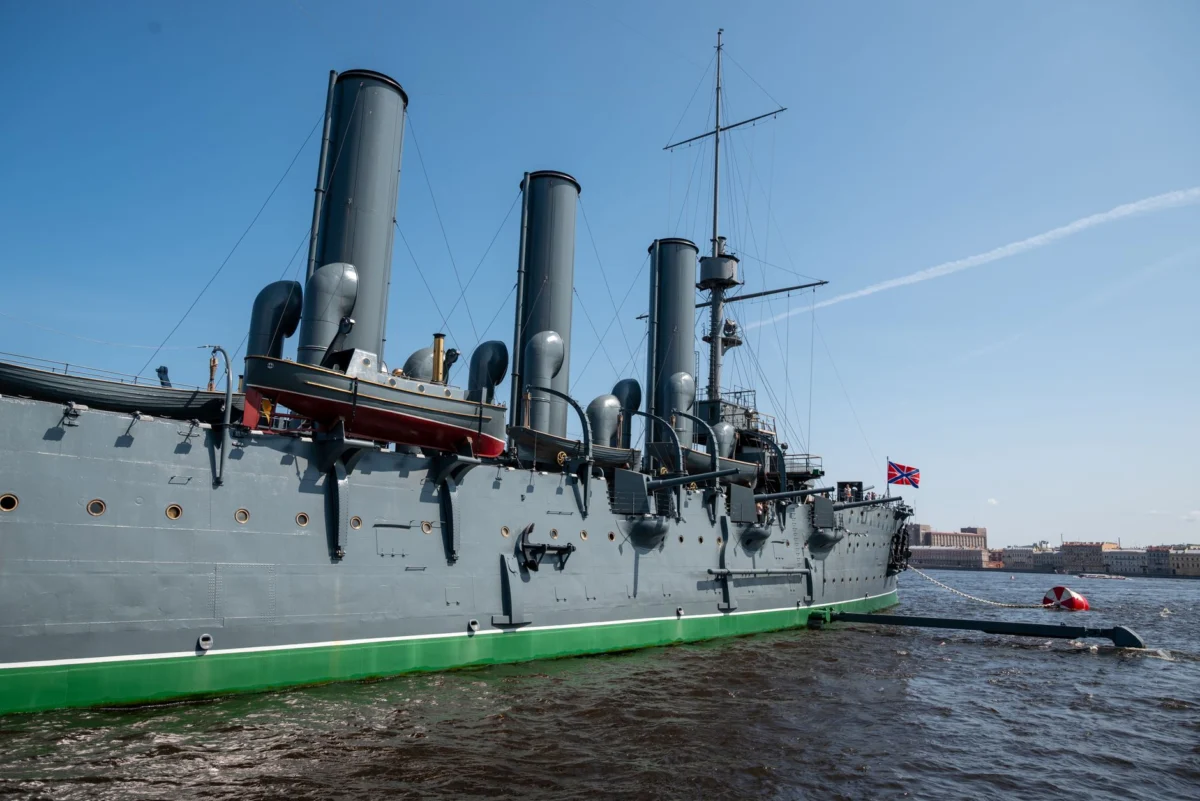
At 14:23 GMT on Thursday, the 4,000‑tonne Russian frigate Admiral Gorshkov erupted a salvo of non‑lethal rounds toward a 32‑foot sailing yacht flying the Union Jack. The yacht, named Sea Breeze, was anchored off the coast of Folkestone when the warning shots rang out.
Two crew members on board reported the incident to the British Maritime Rescue Coordination Centre. One sailor described the sound as “a thunderous crack that made the deck vibrate,” while the yacht’s skipper, James Harper, said the fire stopped short of the hull.
What happened and why?
According to the Russian Ministry of Defence, the frigate acted after the yacht entered a 5‑nautical‑mile security zone without prior clearance. “Our vessel is authorised to defend its operational area,” a statement from the ministry read, confirming the warning shots were intended to compel the yacht to leave the area.
The British Foreign Office immediately lodged a protest, calling the action “unnecessary and dangerous” and demanding an explanation. NATO’s Allied Maritime Command (MARCOM) issued a brief note that the incident would be reviewed under existing rules of engagement.
Why does this matter?
For commuters and tourists, the English Channel is a daily highway. Any escalation can disrupt ferry services, cargo lanes and even offshore wind installations that power millions of homes. Traders watching economy and markets already note a 0.3 % dip in the FTSE 250 after the news broke.
More broadly, the episode underscores how quickly ordinary maritime traffic can become a flashpoint in the broader Russia‑NATO standoff sparked by the war in Ukraine. With NATO forces stationed in the North Sea and the Baltic, every encounter at sea is now measured for strategic intent.
Who is affected?
British yacht owners, and more generally all civilian vessels navigating the Channel, face heightened scrutiny. Shipping firms have begun rerouting some cargo to avoid the contested zones, adding costs that ultimately affect consumer prices on everything from fresh produce to electronics.
For the Russian navy, the incident may be intended as a signal that its patrols will enforce declared boundaries, even against non‑military craft. Critics argue this risks normalising dangerous brinkmanship.
What happens next?
Diplomatic channels are buzzing. The UK is expected to summon the Russian ambassador in London for a formal complaint, while Moscow may issue a reciprocal protest if the British government files a complaint with the International Maritime Organization.
Analysts at the war‑geopolitics desk suggest that a mis‑step could trigger a broader naval incident, especially as both sides increase patrols near the Channel’s narrowest points.
Stay tuned as governments exchange statements, maritime authorities reassess crossing protocols, and the world watches whether a single volley of warning shots will become a catalyst for wider confrontation.