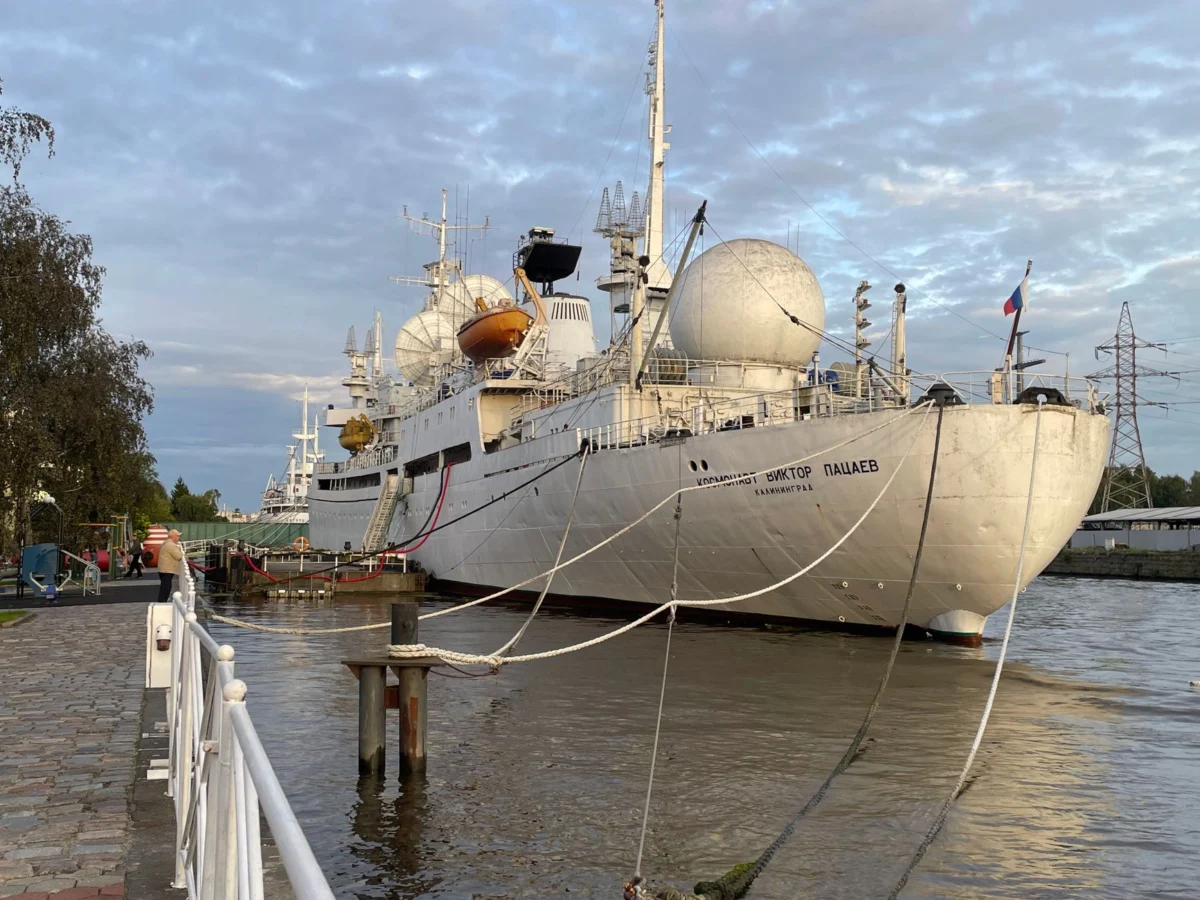
A Russian ship struck by drones in the Baltic Sea remains ablaze as neighboring nations Finland and Estonia deploy resources to contain the fire, according to Reuters. The incident marks a rare direct confrontation involving a Russian vessel in the strategic waterway since the escalation of the Ukraine war.
The vessel continues to smoulder while emergency teams from both NATO member states work to extinguish the blaze. Reuters has not released the ship’s name, its mission, or the origin of the drones involved.
Key Facts
- A Russian ship was hit by drones in the Baltic Sea
- The vessel is still smouldering after the attack
- Finland and Estonia are helping put out the fire
- Reuters reported the incident within the last 12 hours
The Story
What happened in the Baltic?
The Baltic Sea serves as a critical maritime corridor bordered by nine countries, including Russia, NATO members Finland and Estonia, and other alliance states. A Russian ship operating in these waters came under drone attack, sustaining damage significant enough to cause a persistent fire. The involvement of Finnish and Estonian assets suggests the vessel may be in or near their territorial waters or exclusive economic zones, or that the ship requested assistance under international maritime conventions.
Drone warfare has expanded rapidly since Russia’s full-scale invasion of Ukraine in 2022. Both sides have deployed uncrewed surface and aerial vehicles against naval targets in the Black Sea, but confirmed strikes in the Baltic have been far less frequent. The Baltic’s confined geography and dense concentration of NATO members make any military incident there politically sensitive.
How are Finland and Estonia responding?
Finland and Estonia, both NATO members since 2023 and 2004 respectively, share extensive maritime borders with Russia. Their coast guards and navies maintain regular patrols and search-and-rescue capabilities in the Gulf of Finland, the easternmost arm of the Baltic. Assisting a burning vessel — regardless of flag — aligns with the International Convention for the Safety of Life at Sea (SOLAS), which obligates signatories to render assistance to any ship in distress. The two nations have previously cooperated on maritime security exercises and pollution response drills.
The decision to assist a Russian military or state-affiliated ship carries diplomatic weight. Both Helsinki and Tallinn have strongly supported Ukraine and imposed sanctions on Moscow. Yet maritime law and humanitarian norms often compel aid to vessels in peril, even adversarial ones. Finnish and Estonian authorities have not publicly characterized the ship’s status — whether naval, commercial, or auxiliary — nor explained the legal basis for their intervention.
What happens next?
Investigators will likely seek to determine the drone launch point, the type of munitions used, and whether the attack originated from a state or non-state actor. The Baltic’s heavy surveillance — by coastal radars, NATO airborne assets, and satellite imagery — may provide evidence. Russia’s defense ministry has not issued a statement on the incident as of the Reuters report. Any formal Russian response could frame the event as a deliberate provocation or an accident, shaping diplomatic fallout.
What We Know — and What We Don’t
Verified by the source:
- A Russian ship was hit by drones in the Baltic Sea
- The ship is still smouldering
- Finland and Estonia are helping put out the blaze
- Reuters published the report within the last 12 hours
Still unconfirmed:
- The ship’s name, type, and ownership (naval, commercial, or auxiliary)
- Exact location of the incident (territorial waters, EEZ, or international waters)
- Origin and type of drones used in the attack
- Casualties or crew status aboard the vessel
- Whether the attack was deliberate or accidental
- Official statements from Russia, Finland, or Estonia
- Environmental impact from potential fuel or cargo spill
Why It Matters
Any military incident involving a Russian vessel in the Baltic Sea tests the region’s delicate security architecture. The waterway hosts critical undersea infrastructure — gas pipelines, power cables, and data links — that several nations have accused Russia of targeting in recent years. Finland and Estonia’s direct involvement in firefighting demonstrates how quickly a localized event can draw in NATO members, raising escalation risks even when the immediate motive is humanitarian.
What to Watch
Official statements from the Russian defense ministry and the Finnish and Estonian governments will clarify the ship’s identity and the legal framework for assistance. Satellite imagery and maritime tracking data may reveal the vessel’s recent movements and the attack’s precise location.