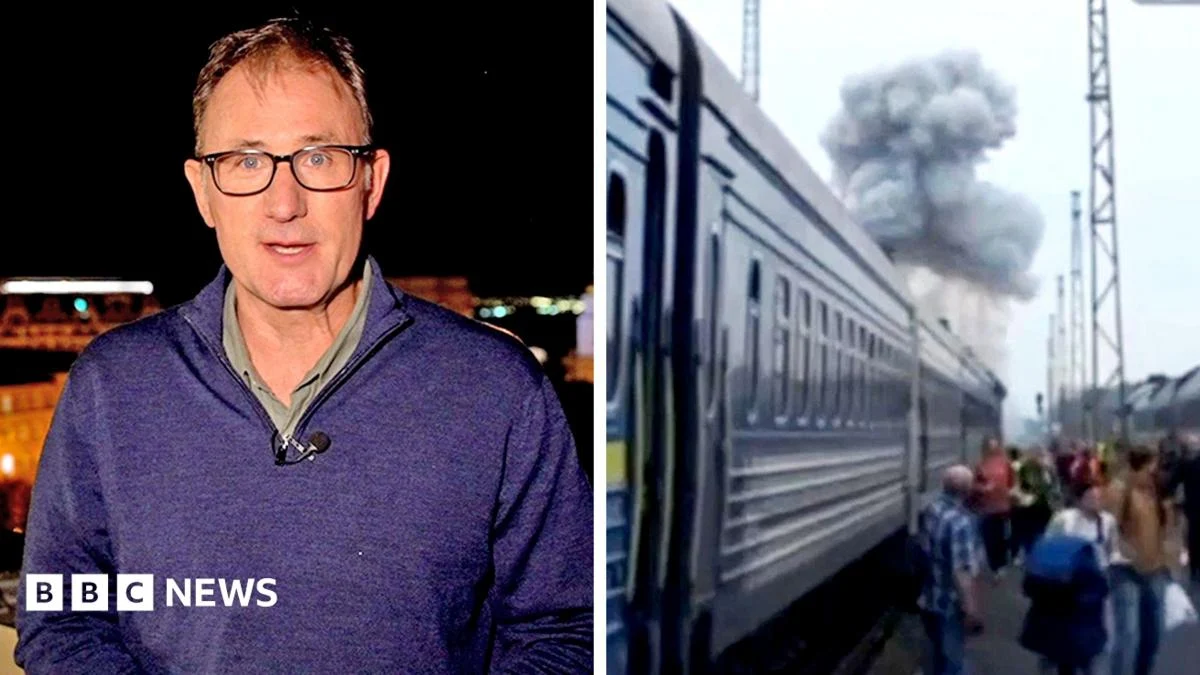
No casualties were reported after a Russian drone struck a train near the Ukraine-Poland border, according to BBC News. The incident occurred shortly after senior European officials, including former British Prime Minister Boris Johnson, departed the area. While the specific location of the strike was not detailed, the report notes its proximity to the Ukraine-Poland border and suggests it could mark an escalation in regional tensions.
Key Facts
- A Russian drone struck a train near the Ukraine-Poland border.
- No casualties were reported from the Russian drone strike.
- The attack occurred shortly after Boris Johnson and other European officials left.
- The strike is being viewed as a potential escalation in the region.
Why This Matters
The Russian drone strike near the Ukraine-Poland border underscores the expanding reach of the ongoing conflict and raises concerns about spillover effects in neighboring regions.
What Happens Next?
The strike comes amid heightened tensions between Russia and Western nations. With European officials having just departed, questions remain about whether the attack was timed or coincidental. As NATO member states monitor the situation closely, further details about the train, the nature of the cargo, and the precise location of the Russian drone strike are likely to emerge in coming hours. International response will depend on confirmation of the incident and the extent of damage or risk posed to civilian infrastructure.
Who Is Affected?
While no casualties have been reported in connection with the Russian drone strike, the targeting of a train raises concerns about potential risks to civilian commuters or passengers. Trains near conflict zones often carry both military and civilian traffic, and disruptions can affect local transport networks. Additionally, the presence of high-profile Western officials like Boris Johnson in the area highlights the sensitivity of the region. Any escalation could prompt stronger security measures by Poland and other NATO members along their borders with Ukraine.
How Did We Get Here?
Tensions between Russia and Western nations have remained elevated since the onset of the Ukraine conflict. Frequent cross-border incidents and retaliatory strikes have characterized the broader regional instability. The reported Russian drone strike on a train near the Ukraine-Poland border fits within a pattern of operations near NATO territory. BBC News noted that the attack took place shortly after senior European figures, including Boris Johnson, left the area. Whether this timing is significant remains unclear, but such incidents often fuel speculation about intent and potential retaliation.
What We Know — and What We Don’t
Verified by the source:
- A Russian drone struck a train near the Ukraine-Poland border.
- No casualties were reported from the Russian drone strike.
- Boris Johnson and other European officials had recently left the area.
Still unconfirmed:
- The exact location and time of the Russian drone strike
- The nature of the train and whether it was carrying civilians or military personnel
- Confirmation of the strike being deliberate or its strategic intent
Why It Matters
The Russian drone strike highlights the ongoing volatility in Eastern Europe and the potential for cross-border incidents to escalate quickly. As NATO allies continue to support Ukraine while managing their own security concerns, events like this test the limits of containment and deterrence.
What To Watch
Further confirmation from local authorities and updates on any potential response from NATO or European leadership will clarify whether this marks a broader shift in the conflict.