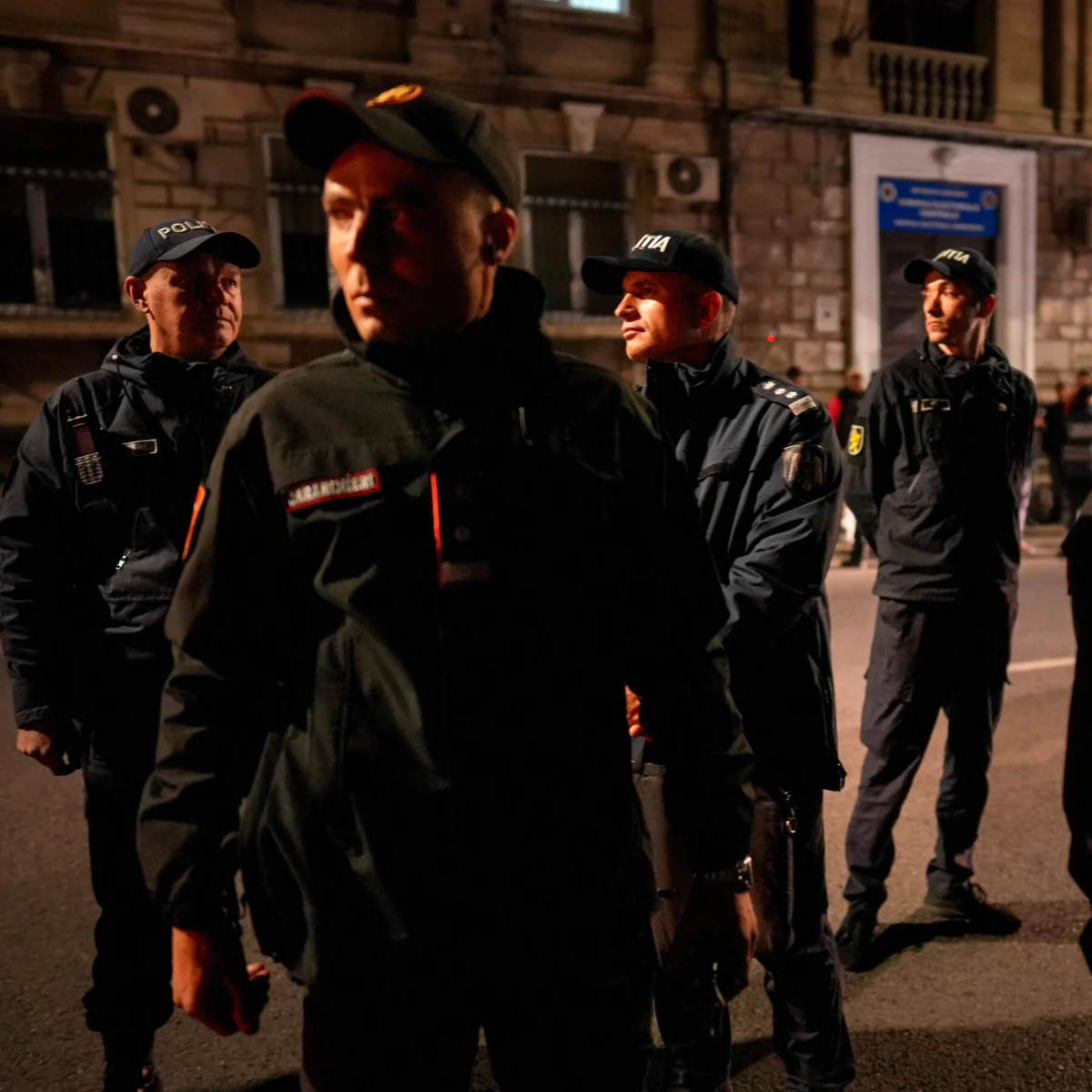
Russia conducted a covert campaign to destabilize Moldova’s pro-Western government, including paying Orthodox priests, organizing a vote-buying scheme, and establishing training camps for election interference, according to a report by NYT > Top Stories. The efforts targeted the small Eastern European nation as it sought closer ties with the West.
Moldova, a former Soviet republic, has been a focal point of geopolitical tensions between Russia and the West. The reported interference highlights Moscow’s attempts to maintain influence in the region through illicit means.
KEY FACTS
- Russia paid Orthodox priests in Moldova as part of its effort to undermine the government.
- Moscow conducted a vote-buying scheme to influence political outcomes.
- Training camps were set up to interfere in Moldova’s elections.
- The campaign aimed to derail Moldova’s Western-leaning government.
How Did Russia Execute Its Campaign?
According to the report, Russia employed multiple strategies to influence Moldova’s political landscape. Payments to Orthodox priests suggest an attempt to sway religious communities, which hold significant influence in Moldovan society. The vote-buying scheme indicates direct electoral manipulation, while the establishment of training camps points to a structured effort to disrupt democratic processes.
Why Does Russia Target Moldova?
Moldova’s strategic location between Ukraine and Romania makes it a key battleground in Russia’s broader campaign to counter Western expansion in Eastern Europe. The country’s aspirations for EU integration have drawn resistance from Moscow, which seeks to keep former Soviet states within its sphere of influence. The alleged interference echoes tactics Russia has reportedly used in Ukraine and other neighboring countries.
WHAT WE KNOW — AND WHAT WE DON’T
Verified by the source:
- Russia paid Moldovan Orthodox priests as part of its interference campaign.
- Moscow organized a vote-buying scheme to sway political outcomes.
- Training camps were established to disrupt elections.
Still unconfirmed:
- The full extent of financial or logistical support behind these operations.
- Whether Moldovan officials were complicit or aware of the interference.
- The direct impact of these efforts on Moldova’s political trajectory.
WHY IT MATTERS
The allegations underscore the broader struggle for influence in Eastern Europe, where Russia has repeatedly sought to undermine democratic institutions in favor of pro-Kremlin governments. Moldova’s attempt to pivot toward the West has made it a target, raising concerns about the stability of smaller nations caught in geopolitical crossfires.
WHAT TO WATCH
Future developments in Moldova’s political climate, including potential investigations into foreign interference and possible retaliatory actions from Western allies, will shape the next phase of this geopolitical contest.