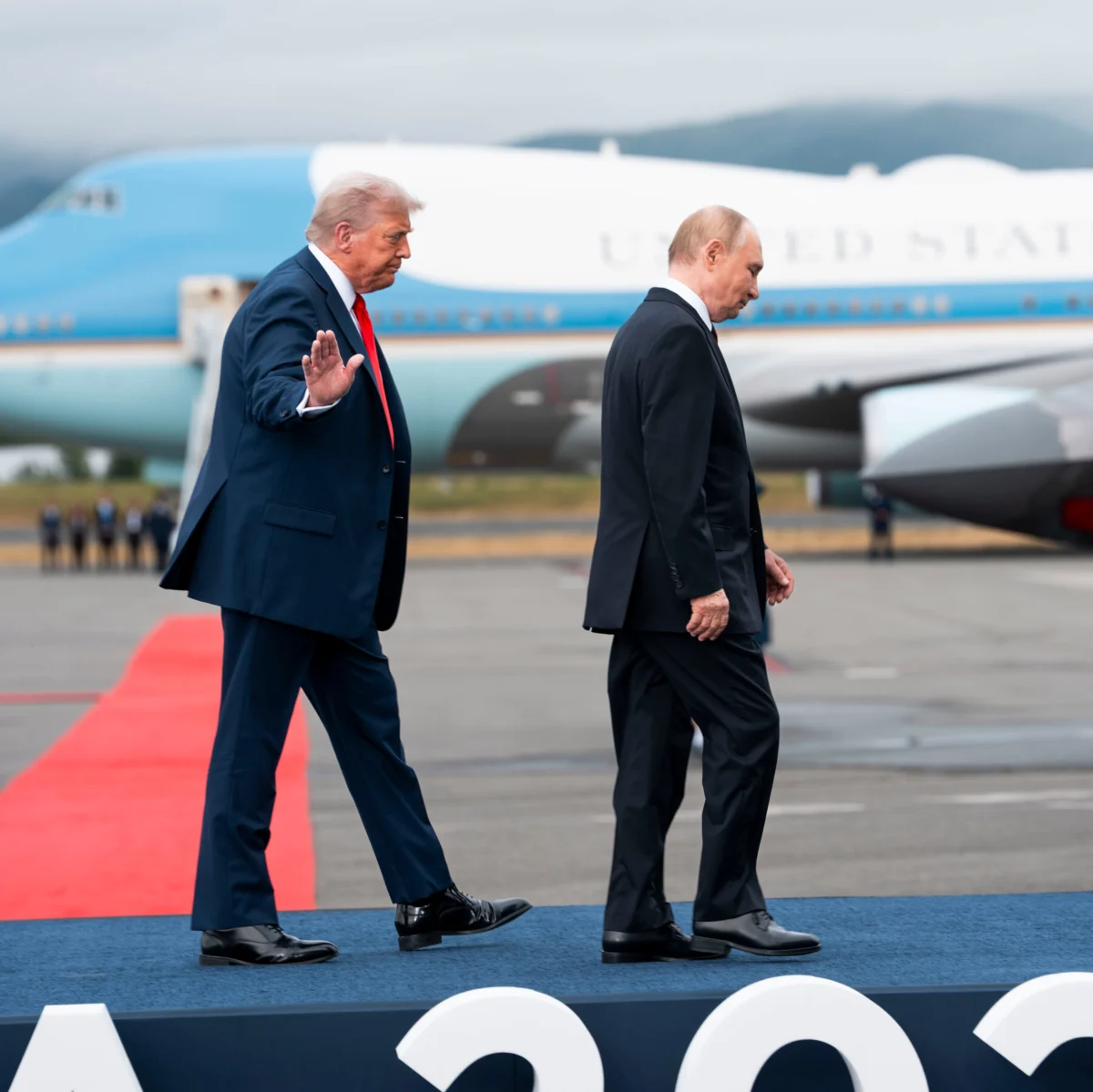
Russia said new U.S. sanctions legislation risks harming President Trump’s stated goal of improving bilateral relations, though Trump keeps significant discretion to ease or delay the law’s effects.
President Trump signed the sanctions bill at the White House, but the law grants him broad authority to waive its stricter provisions — a power he has used before to shape policy direction.
KEY FACTS
- Russia warned new U.S. sanctions law would harm Trump’s peace efforts.
- President Trump signed the legislation at the White House.
- Trump has broad leeway to waive the law’s requirements.
- The legislation is named after Senator Lindsey Graham.
Why the Warning Matters Now
Russia’s public warning reflects concern that even symbolic or partially waived sanctions could complicate diplomatic engagement. Moscow has repeatedly criticized past rounds of U.S. sanctions as counterproductive to dialogue. The current law adds another potential point of friction just as both sides discuss possible frameworks for future negotiations. Analysts note that rhetoric often precedes shifts in policy tone, even when concrete actions remain limited.
How Did We Get Here?
In recent years, U.S.-Russia relations have swung sharply depending on executive priorities. Sanctions have been a recurring tool used to pressure Moscow on issues including cybersecurity, election interference, and regional conflicts. This latest law builds on earlier measures but includes new language tightening oversight. President Trump’s approach has emphasized bilateral dialogue over multilateral pressure, though lawmakers continue pushing for continued restrictions.
What Happens Next?
Despite signing the bill, Trump’s ability to waive key elements means enforcement may be delayed or selectively applied. Russia’s response could range from diplomatic statements to adjustments in its own foreign policy posture. Meanwhile, U.S. lawmakers may monitor whether waivers are granted and under what conditions. The situation highlights how sanctions serve as both leverage and bargaining chips in high-stakes diplomacy.
What We Know — and What We Don’t
Verified by the source:
- Russia warned the new U.S. sanctions law would harm Trump’s peace efforts.
- President Trump signed the legislation at the White House.
- Trump has broad leeway to waive its requirements.
- The bill is named for Senator Lindsey Graham.
Still unconfirmed:
- No official Russian government spokesperson was quoted by name.
- Exact provisions subject to waiver were not detailed.
- Timing of any formal response or negotiation updates remains unclear.
Why It Matters
This exchange underscores how sanctions function not only as policy tools but also as signals that shape global expectations and diplomatic momentum — especially when tied to evolving leadership priorities.
What To Watch
Observers will watch whether Trump exercises his waiver authority soon and if Russia adjusts its stance accordingly. Further developments may emerge during upcoming congressional hearings or diplomatic briefings.