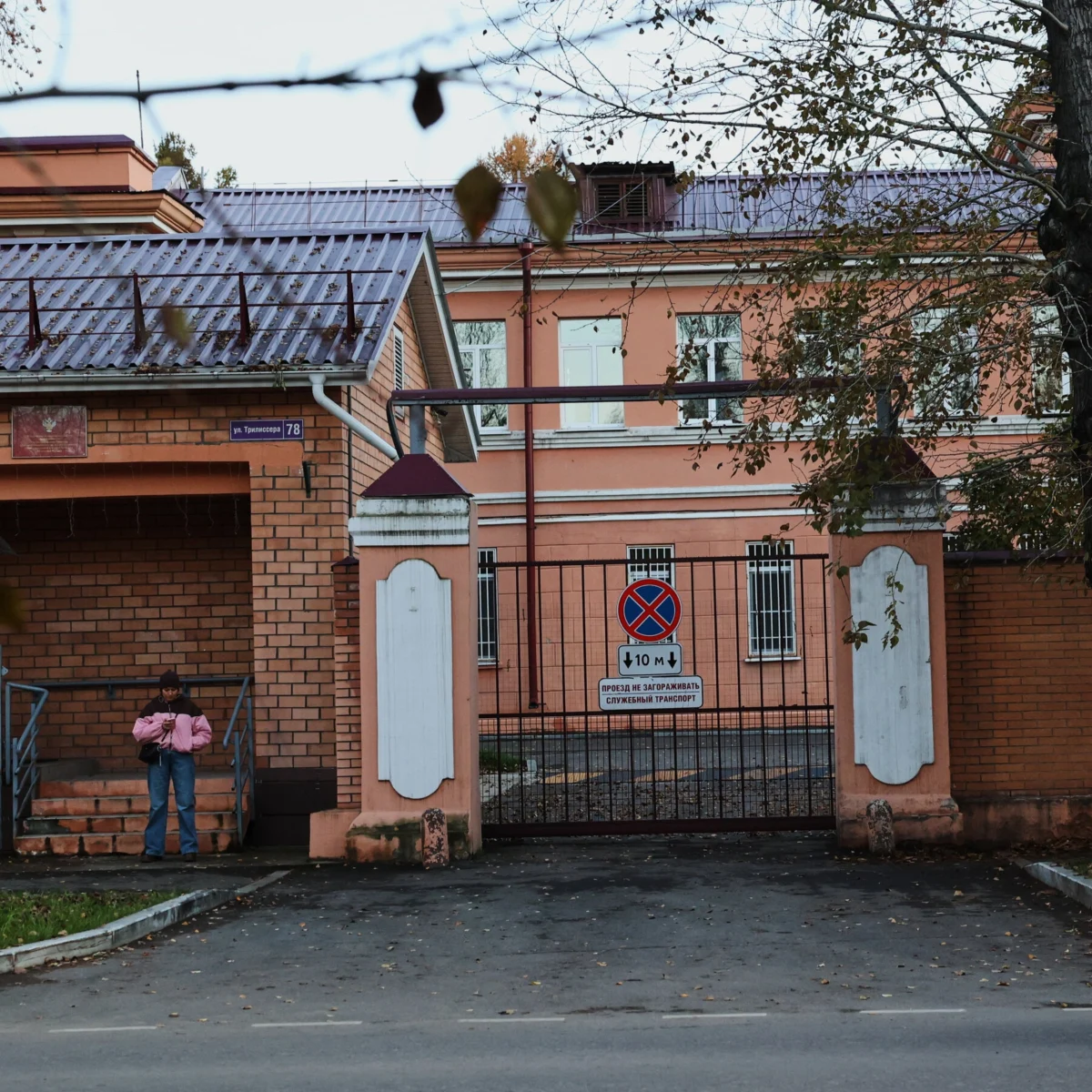
A week after a plague researcher died in Russia, officials have not publicly identified the pathogen believed to have caused the fatal infection. Experts have noted that modern testing methods should allow authorities to determine the cause of death within such a timeframe. The lack of transparency has drawn attention from scientists and observers familiar with how disease outbreaks are typically investigated.
The silence surrounding the plague researcher death continues to fuel speculation about the nature of the pathogen and the conditions under which the individual fell ill. While no official statement has confirmed details, the incident highlights gaps in public reporting on biological research safety and epidemiological response.
Key Facts
- A plague researcher died in Russia.
- Russia has not disclosed the pathogen responsible for the death.
- Experts say modern testing should identify the cause within a week.
Who Is Affected?
The plague researcher death has sparked concern primarily among scientists, health officials, and international observers who monitor biosafety and disease outbreak protocols. Those directly affected include the research facility where the individual worked, colleagues who may have been exposed, and broader communities involved in plague-related studies. Public trust in transparent health communication can also be impacted when authorities withhold key information about a deadly pathogen.
In regions where plague surveillance is active, delays in confirmation or disclosure can hinder preparedness efforts. International health bodies often rely on prompt reporting to coordinate responses, especially when zoonotic or airborne transmission is suspected. In this case, the absence of an official pathogen identification leaves many questions unanswered about exposure risks and containment measures.
What Happens Next?
All eyes now turn to whether Russian authorities will issue an official report detailing the findings of any lab tests conducted on the deceased researcher. Experts emphasize that timely and transparent communication is critical in cases involving high-consequence pathogens like plague. Without clarity, speculation may grow, complicating both public health messaging and scientific collaboration.
Historical precedents show that opaque handling of disease outbreaks can erode confidence in institutions tasked with protecting public health. Whether future disclosures include data on exposure routes, lab safety practices, or preventive actions remains unclear. What is certain is that the longer the silence persists after the plague researcher death, the more scrutiny it invites from domestic and global communities alike.
What We Know — and What We Don’t
Verified by the source:
- A plague researcher died in Russia.
- No official confirmation of the pathogen responsible for the death.
- Experts believe modern testing should have identified the cause within a week.
Still unconfirmed:
- The specific location of the research facility.
- The name or role of the deceased researcher.
- The exact timeline of symptoms and medical intervention.
- Whether other individuals were potentially exposed.
Why It Matters
Transparency during disease-related deaths is vital for maintaining public trust, guiding health responses, and ensuring international cooperation. When governments withhold information about a deadly pathogen, it undermines collective preparedness and raises doubts about institutional accountability in managing biological hazards.
What To Watch
Observers will watch for any official update from Russian authorities regarding the plague researcher death and whether test results are eventually released to the public.