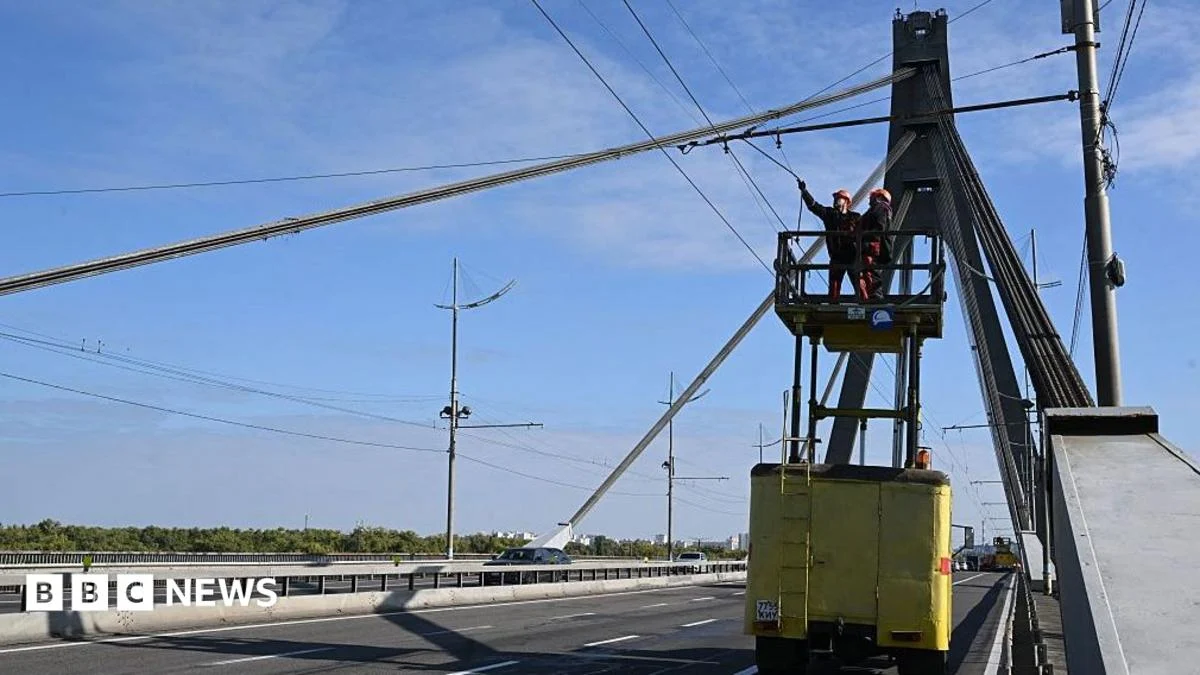
Russia struck a second major bridge in Ukraine’s capital Kyiv, marking another escalation in targeting infrastructure there. The attack follows repeated strikes on another significant bridge in the city.
The latest incident underscores ongoing pressure on Kyiv’s transportation and civilian infrastructure. While the specific bridge targeted this time is not named in detail, it comes after prior attacks on a separate major bridge in the capital.
KEY FACTS
- Russia hit a second major bridge in Ukraine’s capital Kyiv.
- The strike targeted the Pivnichnyi (Northern) Bridge.
- This follows repeated attacks on another major bridge in Kyiv.
What happens next?
The pattern of repeated attacks on bridges in Kyiv suggests continued targeting of critical urban infrastructure. Each strike typically disrupts traffic and raises concerns about further damage to civilian areas. Analysts note that continued attacks may test both Ukrainian defenses and international responses. The timing and frequency of such strikes often reflect broader shifts in battlefield dynamics. Monitoring future incidents will help determine whether this marks an intensified campaign or remains part of a sporadic series of operations.
How did we get here?
Ukraine’s capital has faced multiple rounds of aerial bombardment since the conflict began, with bridges serving as symbolic and functional targets. Previous strikes on crossings have disrupted supply routes and daily life for residents. These incidents are part of a wider strategy aimed at undermining morale and logistical capacity. Attacks on urban infrastructure also tend to draw international attention, shaping diplomatic discourse. The recurrence indicates persistence rather than isolated incidents.
What We Know — and What We Don’t
Verified by the source:
- A second major bridge in Kyiv was struck by Russia.
- The targeted bridge was the Pivnichnyi (Northern) Bridge.
- Repeat attacks occurred on another major bridge in the capital.
Still unconfirmed:
- The exact date and time of the latest strike.
- Casualty figures or damage assessments.
- Motives or strategic goals behind the attacks.
- Official responses from Russian or Ukrainian authorities.
Why It Matters
Continued strikes on bridges in Kyiv highlight the vulnerability of urban infrastructure during wartime. These attacks affect everyday citizens and demonstrate how modern conflicts increasingly impact cities far from front lines. The targeting of civilian-linked structures raises questions about compliance with international humanitarian law. Public safety, transportation resilience, and psychological warfare all intersect in these moments. For global observers, such incidents signal ongoing instability that influences energy markets, refugee flows, and diplomatic negotiations.
What To Watch
Future reporting may clarify whether additional infrastructure targets face similar attacks. Officials have yet to comment publicly on broader implications. Stay tuned to [war-geopolitics](/category/war-geopolitics) and [economy-markets](/category/economy-markets) for updates.