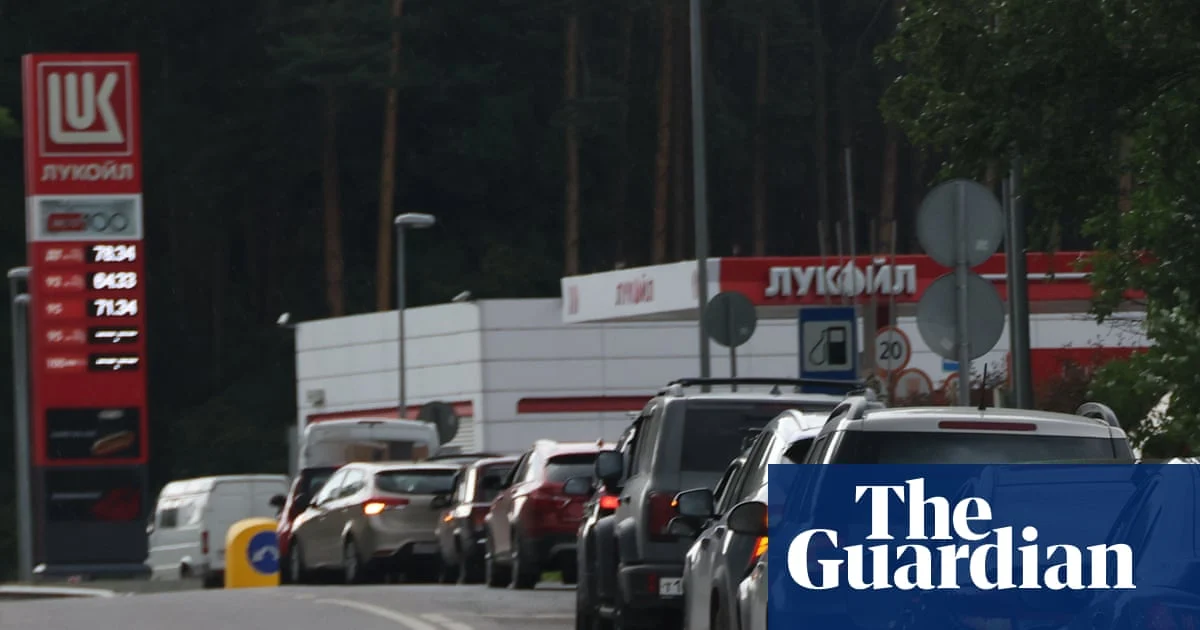
Russia announced a ban on diesel exports to support its domestic fuel market after systematic Ukrainian drone attacks on oil refineries triggered gasoline shortages and price spikes. Drivers in many regions are facing hours‑long lines at filling stations.
The measure was presented by Deputy Prime Minister Alexander Novak during a televised meeting chaired by President Vladimir Putin, who said the fuel situation remains complex and is causing public concern.
Key Facts
- Russia banned diesel exports on Wednesday.
- Ukrainian drone attacks on refineries have led to gasoline shortages.
- Drivers are experiencing hours‑long queues at fuel stations.
- Deputy Prime Minister Alexander Novak reported the fuel situation as complex.
- Russian ballistic missiles and drones killed at least three people in Kyiv on the same day.
How did we get here?
Intensifying Ukrainian strikes on Russian energy infrastructure have squeezed supplies of diesel and gasoline. The attacks come as Moscow’s ground advances have stalled and its air campaign against Ukraine has escalated.
Who is affected?
Motorists across Russian regions are waiting in long lines for fuel. The export ban also impacts foreign buyers who previously sourced Russian diesel.
What happens next?
Russia’s next steps could include further measures to stabilise domestic fuel supplies, while Ukraine continues targeting energy assets.
What We Know — and What We Don’t
Verified by the source:
- Russia imposed a ban on diesel exports on Wednesday.
- Ukrainian drone attacks on refineries have caused gasoline shortages and price spikes.
- Drivers are facing hour‑long queues at filling stations.
- Deputy Prime Minister Alexander Novak discussed the fuel situation in a televised meeting chaired by President Putin.
Still unconfirmed:
- How long the export ban will remain in place.
- Exact impact on international diesel markets.
- Whether additional domestic fuel controls will be introduced.
Why it matters: The export ban highlights how the conflict is spilling over into civilian economies, tightening fuel supplies for ordinary Russians and potentially affecting global energy prices.
What to watch: Further announcements from Russian officials on domestic fuel policy and any response from international markets.