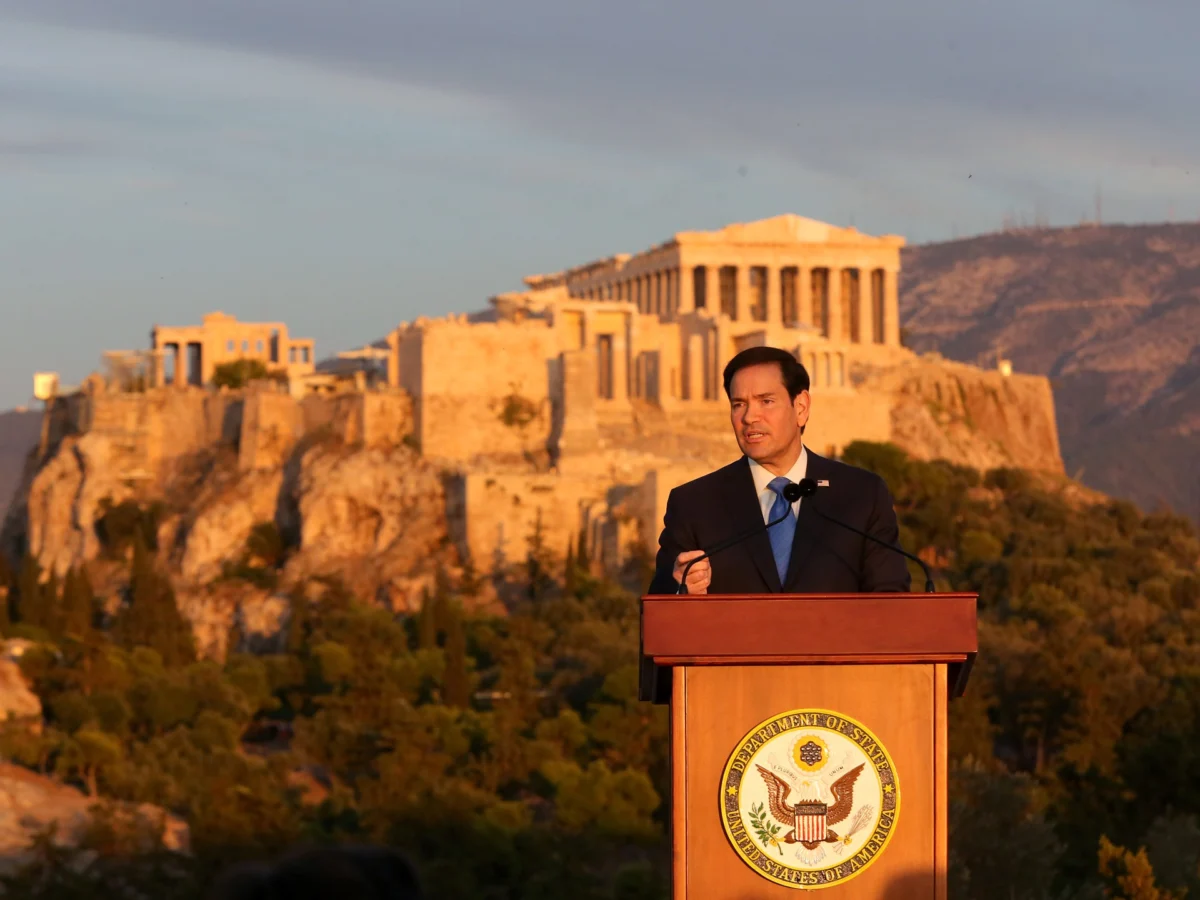
Lede: Senator Marco Rubio’s civilizational rhetoric has sparked diplomatic pushback from Iran, underscoring ongoing tensions between the two nations. The dispute centers on Rubio’s comparison of contemporary threats to those faced in antiquity. Rubio suggested these threats are ‘every bit as real as they were on the dramatic stage of antiquity,’ drawing renewed scrutiny to U.S.-Iran relations and historical framing in modern diplomacy.
Recent statements from Rubio have reignited discussions about how Western leaders frame global security challenges. His remarks reflect a broader trend of invoking classical antiquity to contextualize present-day conflicts and threats.
Key Facts:
- Rubio compared modern threats to those of antiquity.
- His comments sparked criticism from Iran.
- The phrase ‘civilizational rhetoric’ was used in reporting.
- Iran responded directly to Rubio’s statements.
- Al Jazeera reported the exchange.
The Story
What did Rubio say?
Rubio’s civilizational rhetoric invokes a long tradition of Western leaders using ancient history to frame modern conflicts. His analogy situates current geopolitical tensions within a millennia-spanning narrative of civilizational struggle. Critics argue such language can escalate rhetoric by casting contemporary disputes in existential terms. Supporters claim it underscores resilience and continuity of democratic values. The phrasing echoes Cold War-era framing, where ideological battles were described in similarly grand terms. Whether Rubio intended to signal alarm or resolve, the invocation of antiquity invites scrutiny over its relevance and appropriateness in diplomatic discourse.
Why It Matters
Rubio’s civilizational rhetoric resonates amid rising great-power competition and regional conflicts. Positioning modern threats as existential mirrors past eras when leaders framed wars as clashes of civilizations. Such language can justify aggressive postures and military preparedness. It also risks inflaming adversaries like Iran, who may view these remarks as hostile. Public perception shifts when leaders frame issues in grand historical terms. This dynamic influences policy debates and electoral messaging. In an era of polarized politics, civilizational rhetoric gains traction among voters seeking clarity. However, experts warn inflated framing may distort proportional responses. The balance between rallying support and responsible governance remains delicate. How leaders describe threats shapes both domestic cohesion and international relations.
What happens next?
As Rubio’s civilizational rhetoric continues circulating, attention turns to whether Iran will escalate its response or seek dialogue. Past exchanges between the two sides suggest volatility often follows such public statements. U.S. foreign policy watchers anticipate possible clarification or reinforcement of Rubio’s stance. Diplomatic channels may engage quietly behind the scenes, even as public discourse remains heated. Media outlets across [war-geopolitics](/category/war-geopolitics) and [politics](/category/politics) are tracking developments closely. The trajectory of this exchange could influence broader Middle East tensions, particularly if other actors weigh in. For now, both sides appear entrenched in their respective narratives, leaving little room for immediate de-escalation.
Still unconfirmed: exact timing of Rubio’s comments, specific Iranian officials who responded, and whether any formal diplomatic channels were activated following the exchange. The precise wording cited by Al Jazeera remains unverified by additional sources.
What We Know — and What We Don’t
Verified by the source:
- Rubio referenced antiquity regarding modern threats.
- His rhetoric prompted Iranian pushback.
- Al Jazeera covered the exchange.
- The term ‘civilizational’ was linked to ancient comparisons.
Still unconfirmed:
- Exact date and context of Rubio’s statement.
- Identity of responding Iranian officials.
- Full transcript or official record of remarks.
Why It Matters
How senior U.S. policymakers frame global threats affects diplomatic dynamics and public understanding of risk. Civilizational rhetoric can mobilize domestic audiences but may also harden opposition abroad, complicating negotiations on shared challenges.
What To Watch
Future statements from Rubio or Iranian officials could clarify whether this exchange leads to further escalation or renewed diplomatic contact. Additional coverage by international outlets would help confirm details reported here.