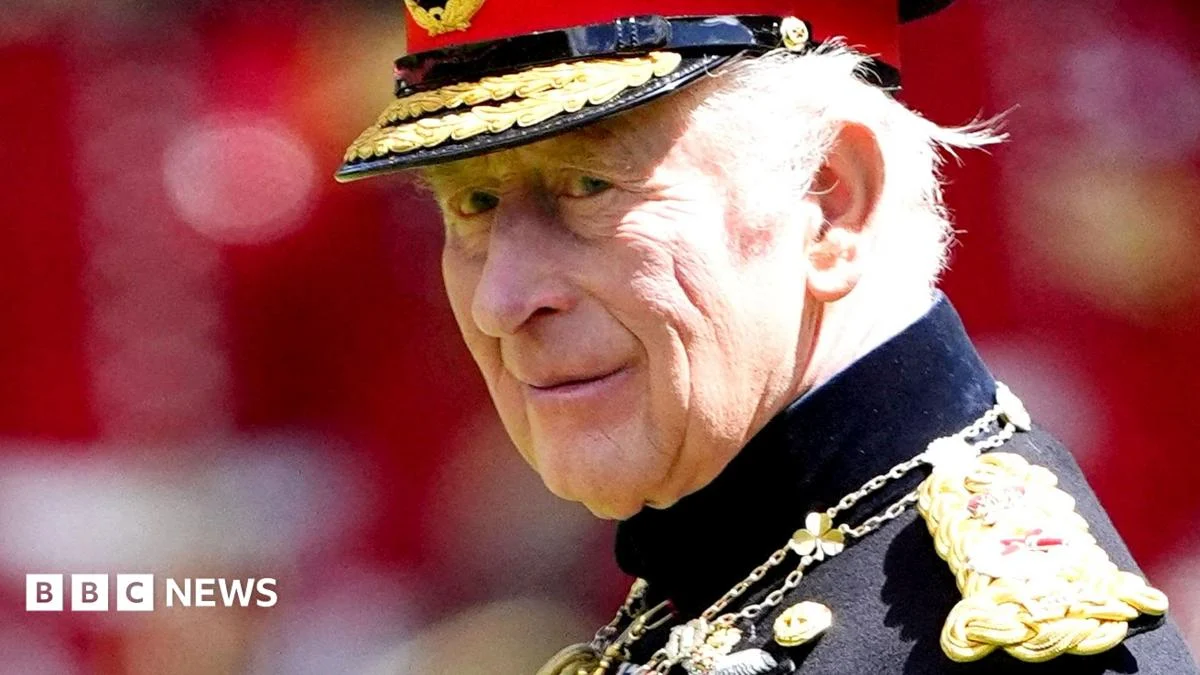
The King announced he paid £1.33 million in income tax last year – a figure that sent every British newspaper into a frenzy.
That single number has become the flashpoint in a broader question: how transparent are the royal finances?
What the King Revealed
During a televised interview, Charles III confirmed the amount, saying it was “the amount I’m required to pay under the law.” The disclosure was the first time a sitting monarch has spoken publicly about his personal tax contributions.
He did not, however, break down the sources of his income – the Duchy of Lancaster, the Sovereign Grant, or the private estates that generate millions each year.
Why Does This Matter?
Britons pay a stiff 45 % top‑rate tax on earnings over £125,000, yet the monarchy enjoys a tax‑exempt status on many of its assets. When the public sees a £1.33 million bill, they wonder whether their money is being used responsibly.
Transparency, or the lack of it, influences public support for the institution. A 2024 economy and markets poll showed 62 % of respondents want full disclosure of all royal income and spending.
Who Is Affected?
Taxpayers, charitable donors, and the media all have a stake. Charities that receive royal patronage often benefit from the Crown’s untaxed gifts, which could otherwise be claimed as tax‑deductible donations.
For business leaders, the answer determines whether they can justify investments in royal‑linked ventures without accusations of favoritism.
What Remains Unclear
The King’s statement did not include details on how the £1.33 million figure was calculated. The Sovereign Grant – the public funding mechanism that covers official duties – was set at £86.3 million for 2025‑26, a 25 % increase from the previous year. Whether any of that money was counted in the tax bill is unknown.
Opposition MPs have asked the National Audit Office to audit the Crown’s entire financial picture, but the Palace says it already publishes an annual “annual financial report” that complies with the law.
What Happens Next?
Pressure is mounting for an independent audit. If the government orders a full review, the public could finally see a line‑by‑line account of royal incomes, expenditures, and tax obligations.
Until then, every new revelation – from a missed UK property tax to a private overseas investment – will be examined under a microscope.
The saga of royal finances is far from over, and the next chapter could reshape the monarchy’s relationship with the public.