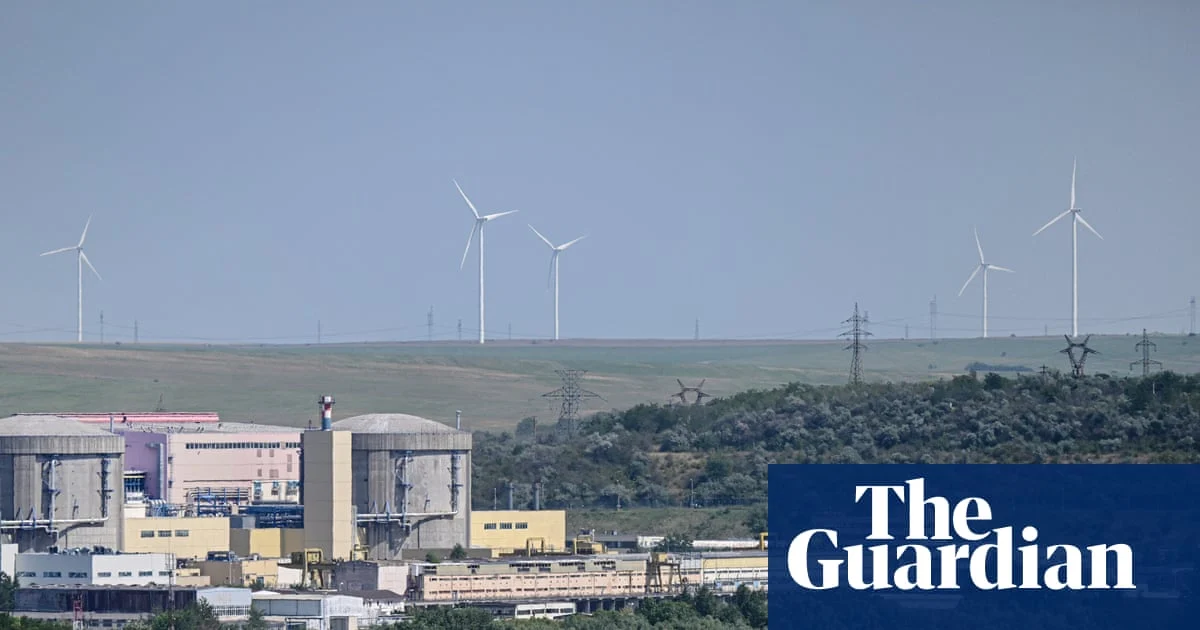
Romania has shut down the last working reactor at its only nuclear plant after drought caused the Danube river to drop to record lows — a move that will immediately affect neighboring Moldova’s electricity supply. The shutdown at the Cernavoda plant underscores growing concerns about Europe’s energy stability as the continent faces another summer heatwave.
Moldova, which relies on Romanian power to cover its own shortages, is particularly vulnerable to the disruption. The Danube’s historically low water levels, worsened by prolonged drought, have forced authorities to take the rare step of halting nuclear operations, highlighting the interconnected risks of climate and energy infrastructure.
KEY FACTS
- Romania shut down its last operating nuclear reactor at the Cernavoda plant due to drought.
- The Danube river has reached record-low water levels, affecting power generation.
- Moldova faces immediate electricity shortages as it relies on Romanian power imports.
- Europe is experiencing renewed energy crisis fears amid a summer heatwave.
- This marks a rare nuclear shutdown caused by environmental conditions in the region.
How did the drought force this shutdown?
The Danube river, Europe’s second-longest, serves as a critical cooling water source for the Cernavoda nuclear plant. With water levels at historic lows due to prolonged drought, the plant could no longer operate safely or efficiently. Nuclear reactors require substantial water supplies for cooling, and when river levels drop too low, the risk of overheating increases dramatically.
Who is most affected by this decision?
Moldova bears the brunt of this shutdown as it depends on Romanian electricity to compensate for its own power generation shortfalls. The small Eastern European nation imports about 30% of its electricity from Romania under normal circumstances, making it particularly vulnerable to disruptions in cross-border energy supplies.
WHAT WE KNOW — AND WHAT WE DON’T
Verified by the source:
- Romania has shut its last operating nuclear reactor at Cernavoda
- The shutdown resulted from record-low Danube water levels caused by drought
- Moldova’s electricity supply is immediately impacted
Still unconfirmed:
- How long the reactor will remain offline
- Precise water level measurements at the Danube
- Alternative power arrangements for Moldova
WHY IT MATTERS
This shutdown exposes how climate extremes can disrupt critical energy infrastructure, creating ripple effects across borders. With Europe already grappling with energy insecurity following Russia’s invasion of Ukraine, environmental factors now compound geopolitical ones in threatening the continent’s power stability.
WHAT TO WATCH
Attention will focus on weather patterns and Danube water levels to determine when the nuclear reactor might restart. Moldova’s emergency response to its power shortage may also develop in coming days.