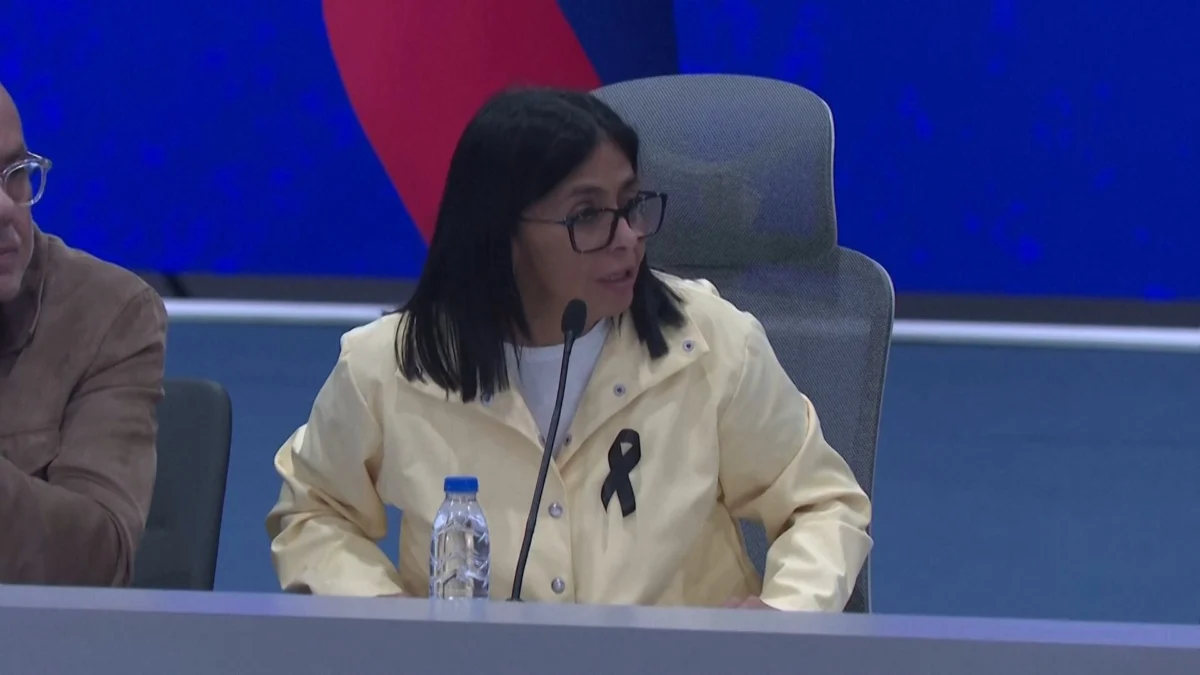
Venezuela’s acting president Delcy Rodriguez says criticism of the government’s response to recent earthquakes is the result of propaganda, dismissing claims of mishandling.
The statement came as public frustration grew over relief efforts, but Rodriguez framed the backlash as a media‑driven narrative rather than a reflection of actual performance.
Key Facts
- Acting president Delcy Rodriguez attributes criticism to propaganda.
- The criticism concerns the government’s response to an earthquake.
- Rodriguez dismissed the backlash as unfounded.
How did the controversy start?
Public dissatisfaction emerged after the earthquake relief measures were rolled out, prompting social media posts and comments questioning the speed and adequacy of aid.
Rodriguez responded by characterising those voices as part of a coordinated propaganda effort.
Who is affected?
The debate touches victims of the earthquake, aid organisations, and the broader Venezuelan population who rely on state support.
By labeling criticism as propaganda, the government signals it will challenge negative narratives rather than adjust its approach.
What happens next?
Observers will watch whether the government adjusts its communication strategy or whether the backlash intensifies.
International and local media coverage may shape the next phase of public discourse.
What We Know — and What We Don’t
Verified by the source:
- Delcy Rodriguez blamed propaganda for criticism of the quake response.
- She dismissed the backlash as unfounded.
Still unconfirmed:
- The scale of public dissatisfaction.
- Specific details of the relief effort’s shortcomings.
- Any independent assessment of the government’s response.
Understanding the dynamics of this dispute matters because it reflects how authorities manage disaster communication and public trust in Venezuela.
What to watch: subsequent statements from government officials and any independent reports on the earthquake relief effort.