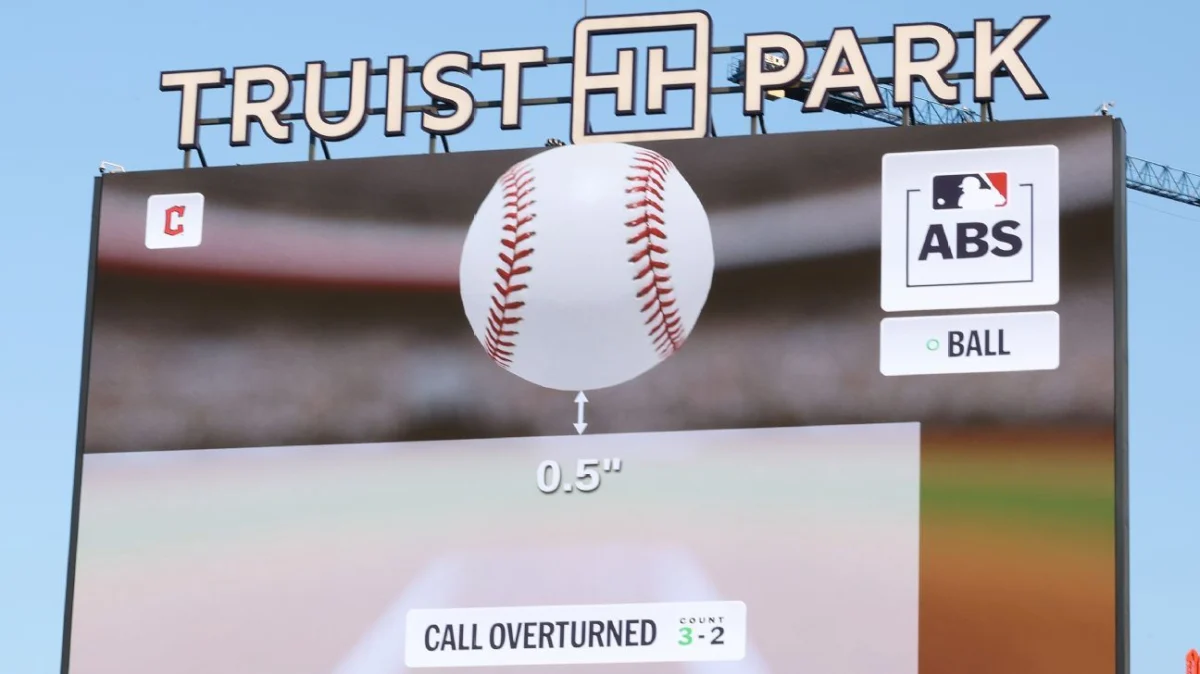
Robot umpires overturned 54% of challenged calls in their first full season using Major League Baseball’s automated ball-strike (ABS) system, according to ESPN. The data shows catchers were far more successful than batters at challenging calls, suggesting the technology is changing how games are managed at the plate.
The debut of robot umpires marks a significant shift in baseball’s approach to officiating, blending tradition with automation. While the league has not announced further expansion plans, the initial results indicate both promise and areas for refinement in how the system is applied during live action.
Key Facts
- Robot umpires overturned 54% of challenged calls in the ABS debut.
- The automated ball-strike system was used for the first time this season.
- Catchers were far more successful at challenging calls than batters.
What Happens Next?
Major League Baseball has not yet indicated whether it will expand the use of robot umpires beyond the current implementation. The league is expected to review the performance data from the inaugural season to determine if adjustments or additional deployments are warranted. Officials have emphasized the importance of maintaining consistency and accuracy as the technology evolves within the sport.
The results from this initial season provide valuable insight into how automated systems can affect real-time decision-making in baseball. With catchers achieving higher success rates than batters, it suggests differences in strategy or positioning that may influence future training and tactical approaches. The system’s integration into replay review protocols remains an ongoing area of evaluation.
Who Is Affected?
The implementation of robot umpires directly impacts players, coaches, and fans who rely on accurate strike-zone calls during games. Catchers, in particular, appear to benefit from the system’s ability to support their challenges, potentially shifting defensive strategies around the plate. Batters, meanwhile, may need to adjust to a different dynamic in how strikes and balls are evaluated and reviewed.
Umpires themselves are also adapting to new workflows involving robotic assistance, especially during replay situations. The broader baseball community continues to monitor public reaction and technical performance as the sport balances innovation with its long-standing traditions. Feedback from those involved remains crucial as leagues worldwide consider similar technologies for their own officiating standards.
What We Know — and What We Don’t
Verified by the source:
- Robot umpires flipped 54% of challenged calls in the ABS debut season.
- Catchers were far more successful at challenging calls compared to batters.
- The automated ball-strike system was deployed for the first time during this period.
Still unconfirmed:
- No details provided about which teams or games were included in the sample size.
- It is unclear how many total challenges were issued during the season.
- No information is available regarding any reported technical malfunctions or delays.
- The exact timeline for future expansion or adjustments to the system remains unknown.
Why It Matters
The adoption of robot umpires reflects a growing trend toward data-driven decision-making in professional sports. As leagues seek greater fairness and precision, technologies like the automated ball-strike system could redefine what fans expect from officiating. However, the disparity in challenge success between catchers and batters highlights the nuanced ways in which human players interact with automated tools — a factor that will shape how such systems evolve over time.
What to Watch
Baseball officials have yet to announce plans for expanding robot umpire usage beyond the current season. Future evaluations may reveal whether the system becomes standard across all games or undergoes modifications based on player feedback and accuracy metrics.