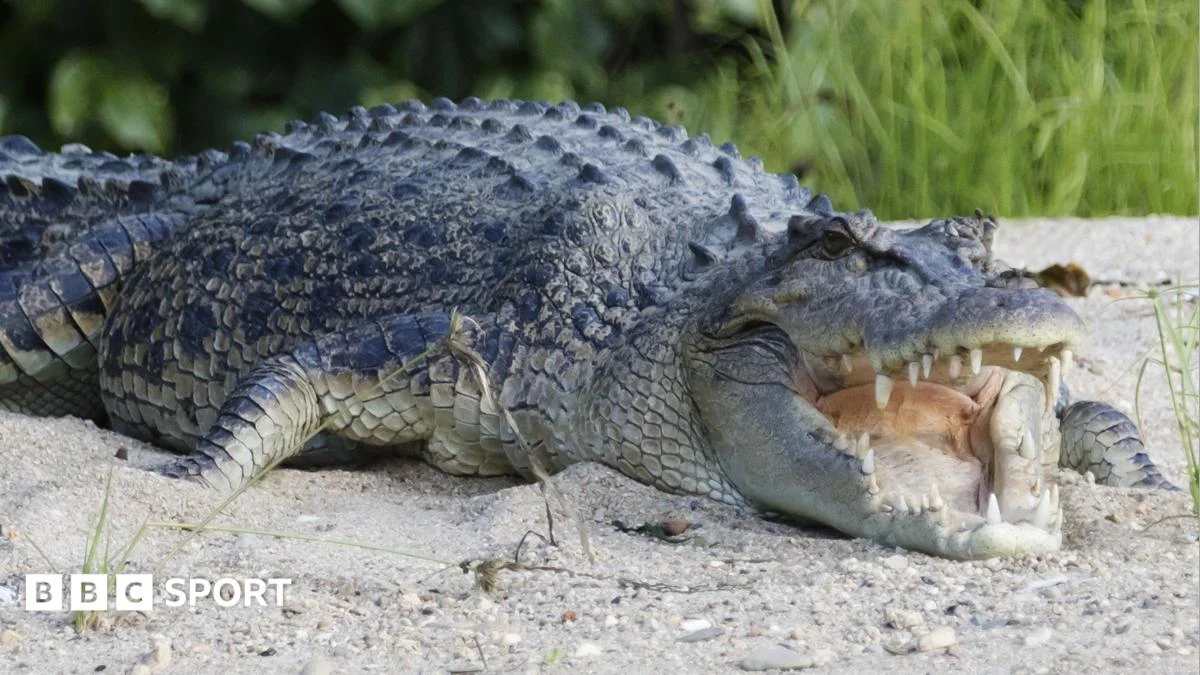
A river known to contain roughly 500 saltwater crocodiles has been approved to host the rowing and canoeing competitions for the 2032 Brisbane Olympics and Paralympics. The decision involves significant logistical and safety planning, given the river’s wildlife population. Organizers must ensure the safety of athletes and spectators while preserving the natural habitat.
The inclusion of this river as an Olympic rowing venue raises questions about safety measures and environmental protection protocols. While the venue offers natural scenery, the presence of crocodiles requires careful coordination between wildlife authorities and event organizers. Details about specific safety arrangements have not yet been disclosed.
KEY FACTS
- The venue is a river home to about 500 saltwater crocodiles.
- The river will host Olympic and Paralympic rowing and canoeing events.
- The events are part of the 2032 Brisbane Games.
- The decision has been officially approved.
Who Is Affected?
Athletes, spectators, and local communities will be directly impacted by this decision. Competitors in rowing and canoeing disciplines must be assured that the waterway meets international safety standards despite hosting a large population of saltwater crocodiles. These crocodiles are native to northern Australia and can grow to dangerous sizes, making safety protocols essential.
The choice to use this river also affects conservation efforts and local ecosystems. Environmental groups may monitor how the event balances wildlife protection with increased human activity. Additionally, nearby residents and tourism operators may see economic benefits or disruptions during the games.
What Happens Next?
With the venue now approved, planners will move forward with detailed preparations. Safety measures, including barriers and monitoring systems, will need to be implemented. Training sessions for athletes may begin closer to the 2032 date, allowing time for all adjustments.
Organizers will also coordinate with wildlife experts and government agencies to address any concerns. Final plans for infrastructure, transportation, and emergency response should be developed and reviewed by international Olympic bodies before the games begin.
What We Know — and What We Don’t
Verified by the source:
- The river houses approximately 500 saltwater crocodiles.
- It has been given approval to host Olympic and Paralympic rowing and canoeing events.
- These events are part of the 2032 Brisbane Games.
Still unconfirmed:
- The exact location of the river within Australia.
- Specific safety protocols for managing crocodile presence.
- Timelines for venue preparation and testing.
Why It Matters
Hosting events in a river known for its crocodile population highlights the unique challenges of staging global competitions in ecologically sensitive areas. It reflects growing pressure to integrate sustainability and safety in major sports events.
What To Watch
Further details about safety procedures and environmental safeguards are expected as organizers advance planning for the 2032 games. Stakeholders will likely seek regular updates on compliance with international standards.