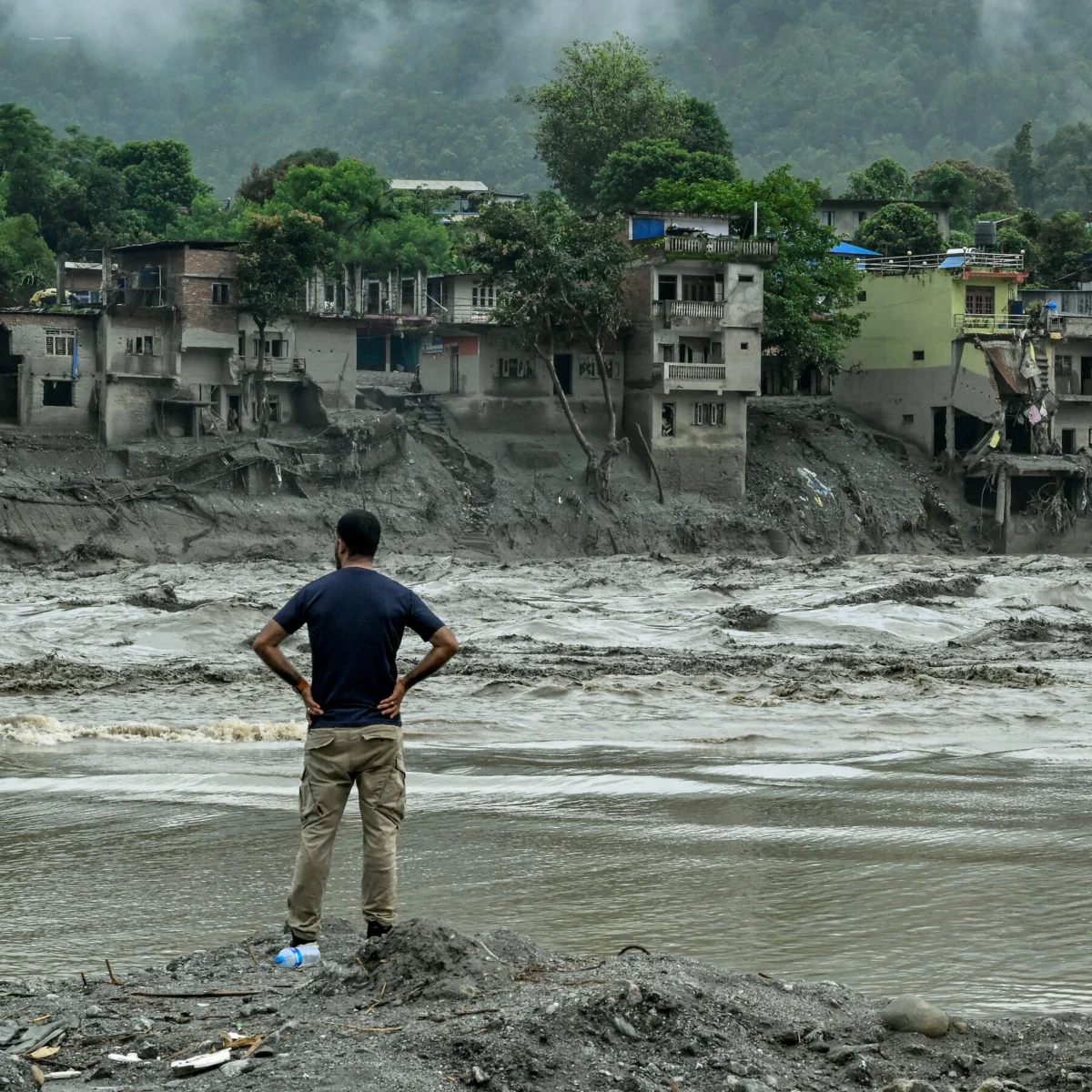
The risk of disasters in the Himalayas is increasing as glaciers melt, though scientists are still working to determine the precise cause of a recent event in Nepal, according to the NYT > World News. While the exact details of what triggered this specific incident remain unclear, researchers warn that the broader trend points to greater instability in the region due to climate change.
KEY FACTS
- Scientists are still investigating the cause of a disaster in Nepal.
- The risk of such events is increasing in the Himalayas.
WHAT IS DRIVING THE RISK?
The melting of Himalayan glaciers due to climate change is contributing to greater instability, which in turn increases the likelihood of disasters like floods and landslides. The region, often called the “Third Pole” due to its vast ice reserves, has seen accelerated glacial retreat in recent decades. As temperatures rise, meltwater accumulates in unstable glacial lakes, raising the risk of sudden outbursts that can trigger devastating downstream flooding.
WHY IS THIS HAPPENING NOW?
While the Himalayas have always been geologically active, climate change is amplifying natural processes. The rapid warming at high altitudes, known as elevation-dependent warming, means mountain regions are heating up faster than lowland areas. This accelerates glacial melt, permafrost thaw, and slope instability, making extreme events more frequent. The recent disaster in Nepal underscores the urgency of understanding these changes.
WHAT WE KNOW — AND WHAT WE DON’T
Verified by the source:
- The risk of disasters in the Himalayas is increasing.
Still unconfirmed:
- The exact cause of the recent disaster in Nepal.
- Whether this specific event was directly caused by glacial melting.
- Projections for future disaster frequency in the region.
WHY IT MATTERS
The Himalayas are a critical water source for nearly two billion people across South Asia. As glacial retreat accelerates, the risks to downstream communities—many of which are already vulnerable—will grow. Understanding these changes is essential for disaster preparedness, infrastructure planning, and climate adaptation.
WHAT TO WATCH
Further scientific analysis is expected to clarify the cause of the Nepal disaster, which could help improve early warning systems and risk assessments for the region. For more on geopolitical and environmental risks, see our war & geopolitics coverage.