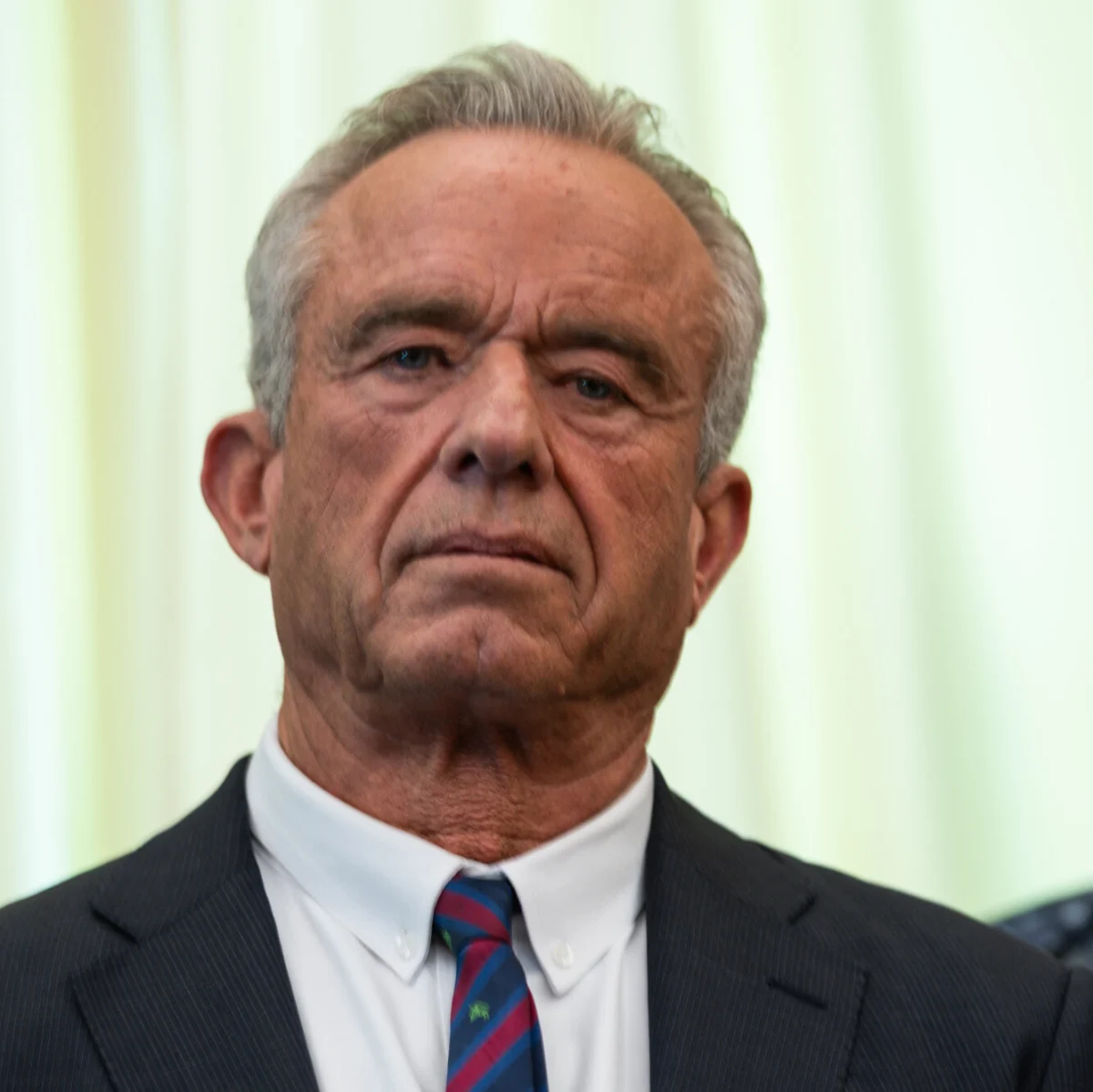
Robert F. Kennedy Jr. has moved to restructure a major federal preventive health panel whose recommendations he has repeatedly opposed. The overhaul signals a shift in how the U.S. preventive health system may operate under the current administration.
The panel in question helps shape national preventive care guidelines, making its leadership and composition a matter of broad public health interest. Changes to its structure or personnel can affect the type of evidence considered when the government recommends screenings, vaccinations, and other preventive services.
Key Facts
- RFK Jr. has overhauled a powerful health panel.
- The panel’s prior work had been blocked by the same official.
- Selections suggest a political-ideological direction, according to reporting.
- The panel is the U.S. Preventive Services Task Force.
- The move is linked to the Trump administration’s broader health policy agenda.
The Story
What the U.S. Preventive Services Task Force does
The U.S. Preventive Services Task Force (USPSTF) is an independent panel that evaluates clinical evidence and issues recommendations on preventive services, including cancer screenings, blood pressure checks, and mental health interventions. These recommendations help guide insurance coverage decisions, federal programs, and clinical practice across the country. The task force has operated as a trusted source of evidence-based guidance for decades.
Its independence is central to its credibility. When an official has previously blocked or criticized the panel’s work, restructuring the panel raises questions about whether future recommendations may reflect different priorities. The appointment process and selection criteria for panel members are typically designed to insulate decisions from political pressure.
What happens next with the health panel
It remains unclear how the restructuring will alter the panel’s decision-making or whether new leadership will change which studies are prioritized when forming recommendations. The selections made so far suggest alignment with political goals, but the practical effects on preventive care guidance are not yet known.
Healthcare advocates have expressed concern that politicizing the panel could reduce trust in preventive recommendations. However, the administration has not detailed its timeline or rationale for the changes beyond general statements about reform.
According to reporting, the selections suggest the Trump administration may be trying to move the United States Preventive Services Task Force in a direction that serves its political ideology. That framing implies future recommendations could be evaluated with a different set of priorities in mind, even if the clinical evidence remains the same.
What We Know — and What We Don’t
Verified by the source:
- RFK Jr. has overhauled the U,S, Preventive Services Task Force.
- The official had previously blocked the panel’s work.
- Selections suggest political-ideological direction.
Still unconfirmed:
- Specific names, dates, or criteria used for new selections.
- Whether new members have been confirmed.
- Concrete policy changes expected from the restructured panel.
- The administration’s stated rationale beyond broad reform language.
Why It Matters
Because the task force’s recommendations influence whether insurers cover preventive services at no cost to patients, changing its direction could reshape routine medical care for millions of Americans. Evidence-based preventive medicine has long relied on trusted, independent clinical guidance, and any perception that politics drives those decisions risks reducing public confidence in core public health practices.
What To Watch
Watch for whether the administration provides detailed justification for selections and how soon new panel leadership might issue updated recommendations. Officials have not yet commented on specific timelines or criteria for the restructuring.