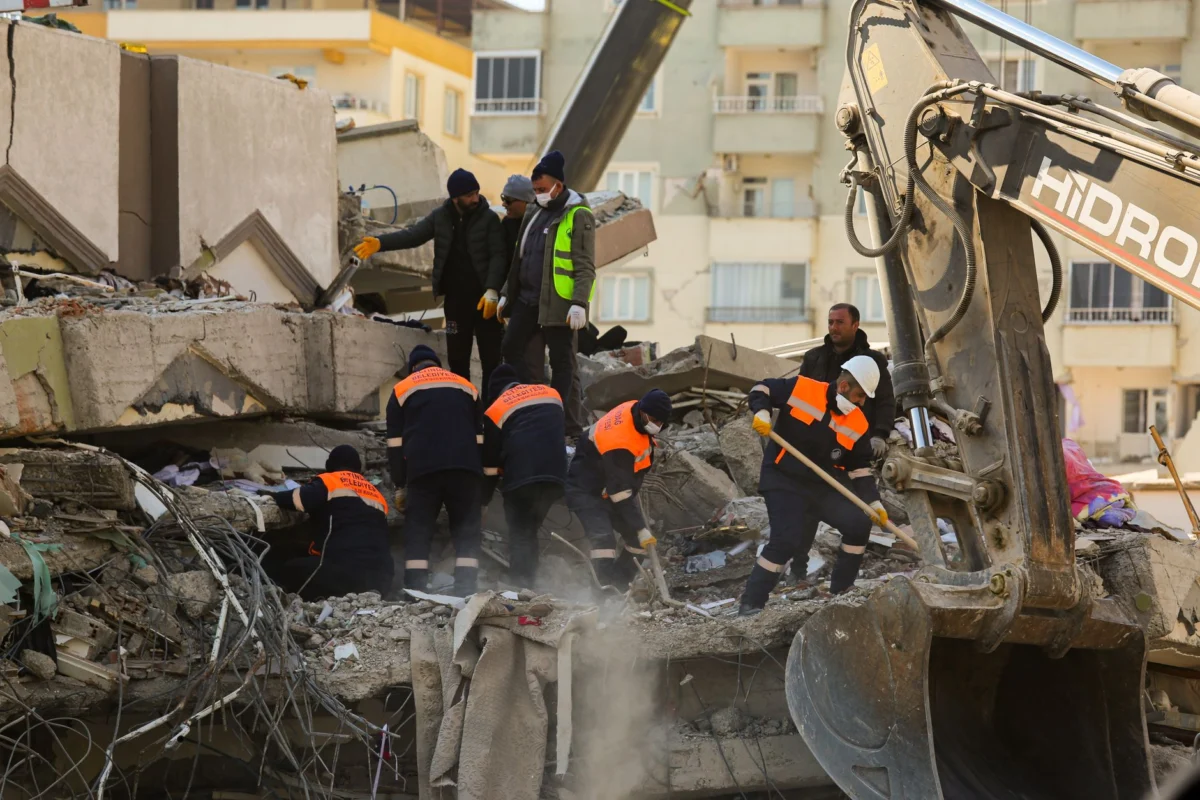
At 9:45 a.m. local time on Monday, a 7.0‑magnitude quake rattled Caracas, followed minutes later by a 6.8 aftershock that sent concrete slabs crashing into the streets of Valencia. The twin shocks have leveled entire apartment blocks and left more than 920 people dead, according to the latest AP count.
Rescue crews now face a narrowing survival window. Medical experts say most victims trapped under rubble have only 72 hours of viable oxygen. Every hour lost shrinks the chance of finding living bodies.
What’s happening on the ground?
U.S. Urban Search and Rescue teams arrived Tuesday, hauling 45 tons of equipment to the worst‑hit districts. They set up a makeshift field hospital beside the shattered La Paz housing project, where families cling to the wreckage of homes built after the 1998 socialist housing push.
Local volunteers, many wearing the faded red of former state‑run construction crews, are sifting through mud‑caked corridors with hand‑held cameras, hoping to locate a beating heart. “Every minute counts,” said one volunteer, who asked to remain anonymous for safety reasons.
Why does this matter?
Beyond the staggering human loss, the disaster threatens Venezuela’s already fragile economy. The destroyed neighborhoods housed thousands of informal‑sector workers whose daily earnings kept food lines moving in a country battling hyperinflation. Disruption in these micro‑economies could ripple into the broader economy and markets landscape, affecting regional trade and migration patterns.
International aid is also a test of diplomatic ties. While the United States has dispatched rescue teams, neighboring Colombia and Brazil are offering medical supplies, underscoring a rare moment of cooperation in a politically polarized region.
What happens next?
Rescue leaders estimate they need another 48 hours to clear the most collapsed structures. Satellite imagery released by Fox News shows the quake’s full footprint: a swath of debris extending 30 kilometers, with new fissures forming along the Andean foothills.
Humanitarian NGOs warn that after the initial shock, secondary hazards—aftershocks, landslides, and disease outbreaks—could compound the crisis. “If we don’t secure clean water and sanitation within the next week, we’ll see a secondary wave of fatalities,” a spokesperson from a local health charity told NBC News.
For families still searching for loved ones, each sunrise brings a thin thread of hope. The next 24 hours will decide how many more names are added to the list of survivors rather than the deceased.
Stay tuned as the situation evolves; the coming days will reveal whether the rescue efforts can outpace the relentless decay of a nation already on the brink.