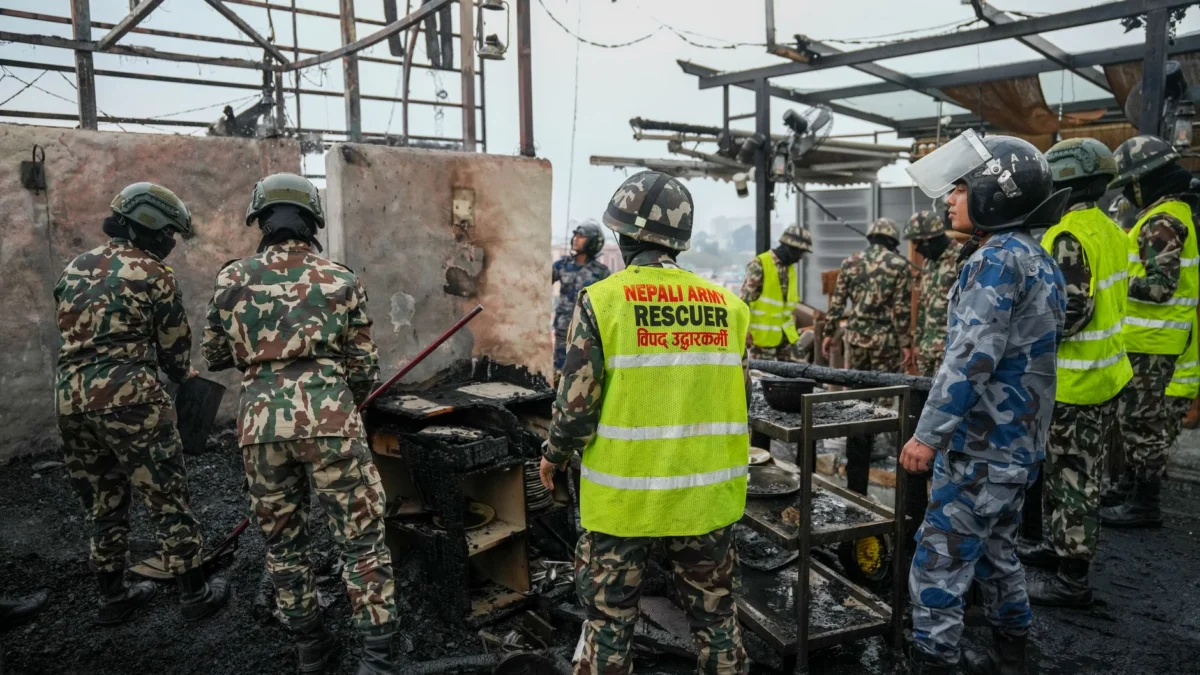
Rescue efforts are intensifying after catastrophic flooding in Nepal and Tibet as the death toll climbs past 900, according to AP News reporting. The region faces one of its deadliest natural disasters in recent years as emergency teams struggle with access to affected areas.
Seasonal monsoon rains frequently cause flooding across South Asia, but the scale of this disaster has overwhelmed local response capacity. Cross-border coordination between Nepal and China (which administers Tibet) will be critical for delivering aid to remote mountainous regions.
KEY FACTS
- Over 900 confirmed dead from Nepal-Tibet flooding
- Rescue operations currently intensifying across the region
- AP News reports the disaster as ongoing
WHAT’S HAPPENING NOW
Emergency teams are deploying to hardest-hit areas as the full scale of destruction becomes clear. Given the difficult mountainous terrain and damaged infrastructure, rescue and relief efforts face significant logistical challenges. The death toll may rise further as responders reach isolated communities cut off by floodwaters and landslides.
WHO IS AFFECTED
The flooding spans both Nepal and Tibet, which have distinct emergency response systems. This creates coordination challenges for cross-border rescue efforts. Mountain villages and transportation routes are particularly vulnerable in both regions when heavy monsoon rains trigger flooding and landslides.
WHAT WE KNOW — AND WHAT WE DON’T
Verified by the source:
- Death toll exceeds 900 across both regions
- Rescue operations are actively expanding
Still unconfirmed:
- Specific locations most impacted
- Breakdown of casualties by country
- Causes beyond seasonal monsoon patterns
WHY IT MATTERS
This disaster highlights the growing risks climate change poses to vulnerable mountainous regions during monsoon seasons. The Nepal-Tibet border area’s geography makes coordinated emergency response particularly challenging yet necessary for saving lives.
WHAT TO WATCH
Updates on rescue operations and whether the death toll continues rising as responders reach more isolated areas. Officials will likely provide more detailed breakdowns of impacts in coming days.