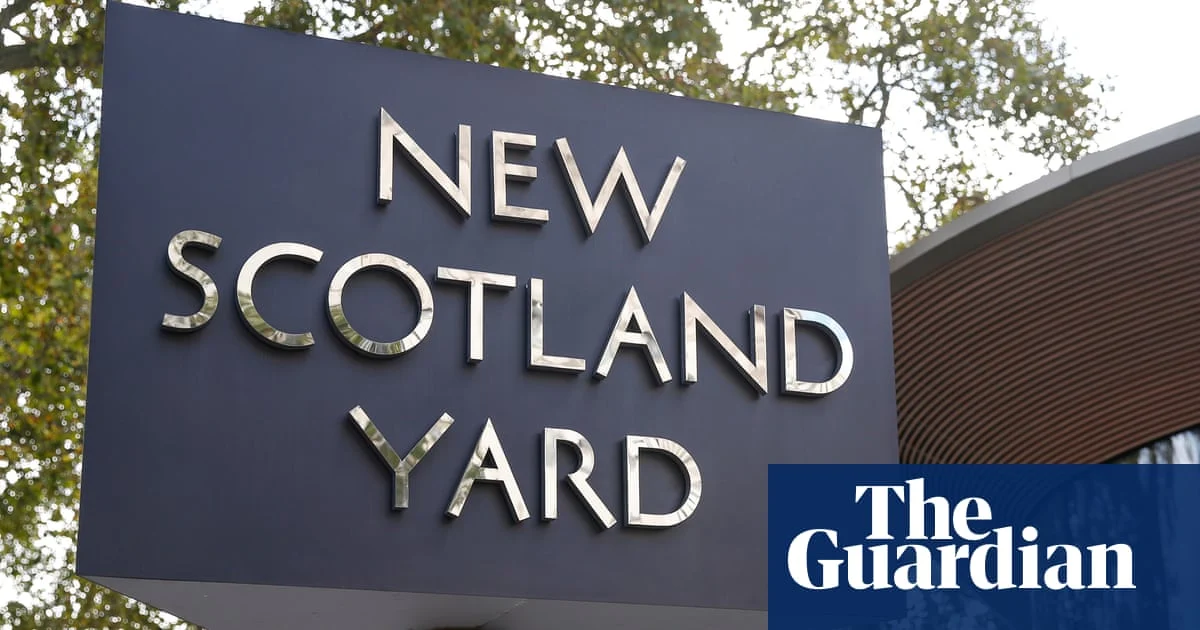
A government‑backed inquiry has concluded that nepotism and bias are pervasive in England and Wales police leadership, and that many senior officers have lost focus on fighting crime.
The investigation, co‑chaired by former home secretary David Blunkett, says a reset is needed across the hierarchy, with numerous top officers now facing misconduct inquiries.
Key Facts
- Inquiry co‑chaired by David Blunkett found nepotism and bias in police leadership.
- Report says many chiefs have lost focus on fighting crime.
- Scores of senior officers face misconduct inquiries.
- Reset needed at all levels of England and Wales police.
How did we get here?
The inquiry was launched with government backing to examine standards within police leadership. Its findings point to a culture where personal connections and partiality have influenced appointments and decisions.
According to the report, this environment has distracted senior officers from their core responsibility of combatting crime, prompting calls for comprehensive reform.
Who is affected?
All levels of police leadership in England and Wales are implicated, from regional chiefs to national commanders. The report indicates that the misconduct inquiries could impact dozens of senior officers.
Operational staff and the public are indirect stakeholders, as reduced focus on crime-fighting may affect service delivery and public confidence.
What happens next?
The report recommends a reset of leadership structures and standards. Implementation will likely involve reviews of appointments, disciplinary processes, and oversight mechanisms.
Further details on the timeline for reforms have not been disclosed.
What We Know — and What We Don’t
Verified by the source:
- The inquiry was co‑chaired by David Blunkett.
- The report describes nepotism and bias as widespread in police leadership.
- It says many chiefs have lost focus on fighting crime.
- Scores of top officers are facing misconduct inquiries.
- A reset is called for at all levels of England and Wales police.
Still unconfirmed:
- The exact number of officers under investigation.
- The specific reforms that will be enacted.
- How quickly changes will be implemented.
Why it matters: Trust in policing hinges on impartial leadership and a clear focus on public safety; any erosion of those principles can undermine community confidence and crime prevention efforts.
What to watch: Future statements from the government or police oversight bodies will indicate how the recommended reset will be pursued.