LEDE
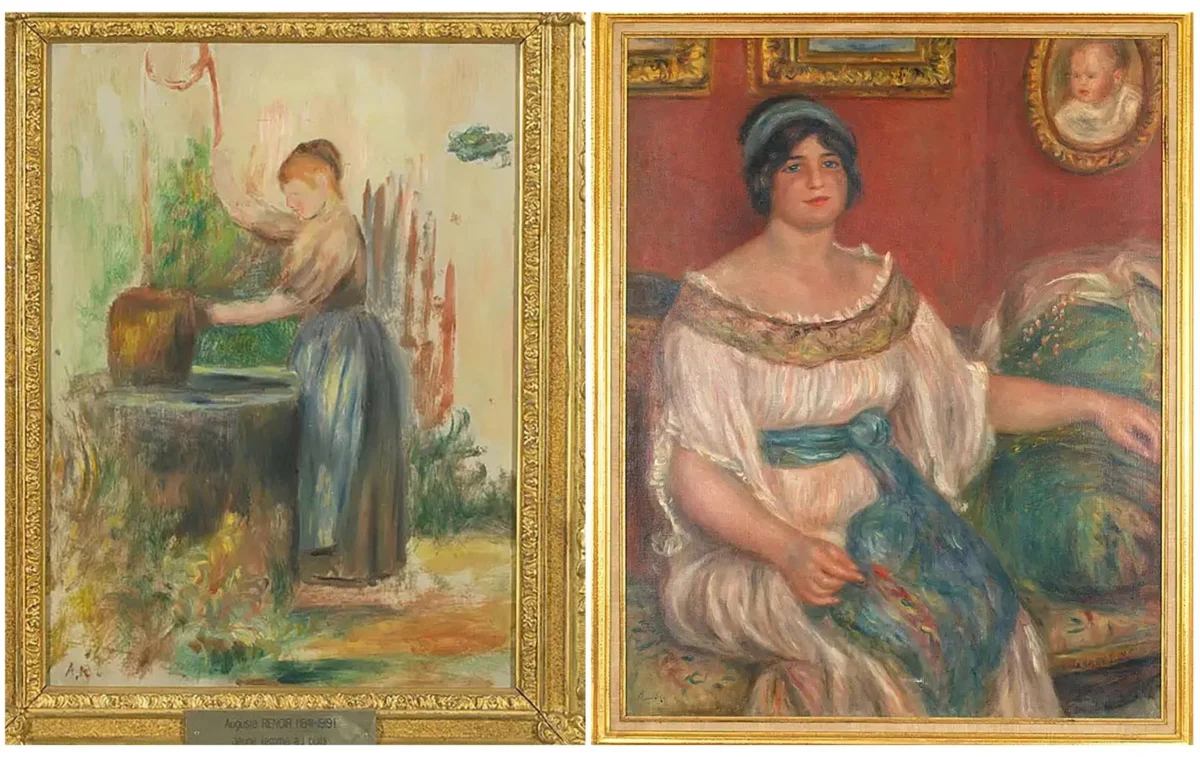
Two Renoir paintings valued at millions were recovered following a museum heist in Cagnes-sur-Mer, France, the mayor of the city announced.
The theft occurred last month and involved a daring art robbery that drew international attention. The recovery of the Renoir paintings offers a significant development in the case, though full details of how or when the works resurfaced remain unclear.
The incident highlights ongoing vulnerabilities in museum security and the persistent threat of art crime across Europe. French authorities have not publicly disclosed additional details about the circumstances of the recovery or whether suspects have been identified or arrested.
KEY FACTS
- Two Renoir paintings were recovered after a museum heist.
- The theft occurred in Cagnes-sur-Mer, France.
- The heist took place last month, according to the mayor.
- The stolen artworks were valued at millions.
- The recovery was announced by the mayor of Cagnes-sur-Mer.
THE STORY
What happens next?
French authorities have not yet released a full timeline of the recovery process or provided specifics about how the Renoir paintings were located. The mayor’s public announcement suggests that investigative work led to the discovery, but no arrests or formal charges have been reported in connection with the theft or recovery.
Art theft investigations often unfold slowly, relying on leads from international networks such as INTERPOL. The value of the stolen works makes them high-priority targets for both law enforcement and underground collectors. Whether the recovery leads to further arrests or the return of additional pieces remains uncertain.
How did we get here?
The original heist, which occurred last month in Cagnes-sur-Mer, involved the theft of multiple valuable artworks, including the two Renoir paintings now said to have been recovered. The daring nature of the burglary and the high-profile value of the works attracted considerable media attention, underscoring ongoing concerns about museum security protocols in France and abroad.
Such incidents often prompt reviews of security measures and insurance practices. While the recovered paintings represent a partial success for investigators, the unresolved elements of the case continue to raise questions about how similar thefts might be prevented in the future.
Who is affected?
The museum in Cagnes-sur-Mer, the broader cultural community, and art collectors worldwide are impacted by such thefts. Museums face reputational and financial risks when masterworks are stolen, especially when they are not recovered quickly. Insurance companies, cultural institutions, and law enforcement agencies also share responsibility for protecting art assets.
French cultural institutions have increasingly adopted advanced surveillance and tracking technologies. However, cases like this demonstrate that even well-prepared venues can fall victim to organized crime. The recovery of the Renoir paintings may aid ongoing efforts to strengthen protective measures and international cooperation in art recovery.
WHAT WE KNOW — AND WHAT WE DON’T
Verified by the source:
- Two Renoir paintings were stolen during a heist in Cagnes-sur-Mer last month.
- The recovered paintings were valued at millions of dollars.
- The mayor of Cagnes-sur-Mer confirmed the recovery of the artworks.
Still unconfirmed:
- The exact date and method of the recovery operation.
- Whether any suspects have been identified, detained, or charged.
- The total number of artworks stolen during the original heist.
- The current condition and location of the recovered Renoir paintings.
The recovery of the Renoir paintings marks a key development in the Cagnes-sur-Mer museum theft case. Details remain limited as authorities investigate next steps.
WHY IT MATTERS
Art theft remains a persistent global challenge with ties to organized crime, fraud, and illegal trafficking networks. When masterpieces are stolen or go missing, the loss affects not only individual museums but also the public trust in cultural preservation. Recoveries like these offer hope, but they also underscore the need for stronger cross-border collaboration among law enforcement and cultural institutions working to safeguard heritage.
WHAT TO WATCH
Authorities have not indicated whether further updates or arrests are expected. The cultural and crime coverage sections will continue tracking developments in this case as more information becomes available.
RELATED
See more on geopolitical impacts on cultural preservation and technology in art security and tracking.