Lede
Aid organizations are warning that renewed fighting in Yemen risks triggering a humanitarian crisis, with almost one million people reportedly cut off from food aid and health infrastructure overwhelmed by war-wounded patients.
The warning follows reports of intensified hostilities disrupting aid access across multiple regions, raising fears of widespread famine and medical collapse. Aid groups say the combination of blocked supply routes and saturated hospitals leaves vulnerable populations without life-saving assistance.
Key Facts
- Almost one million people cut off from food aid.
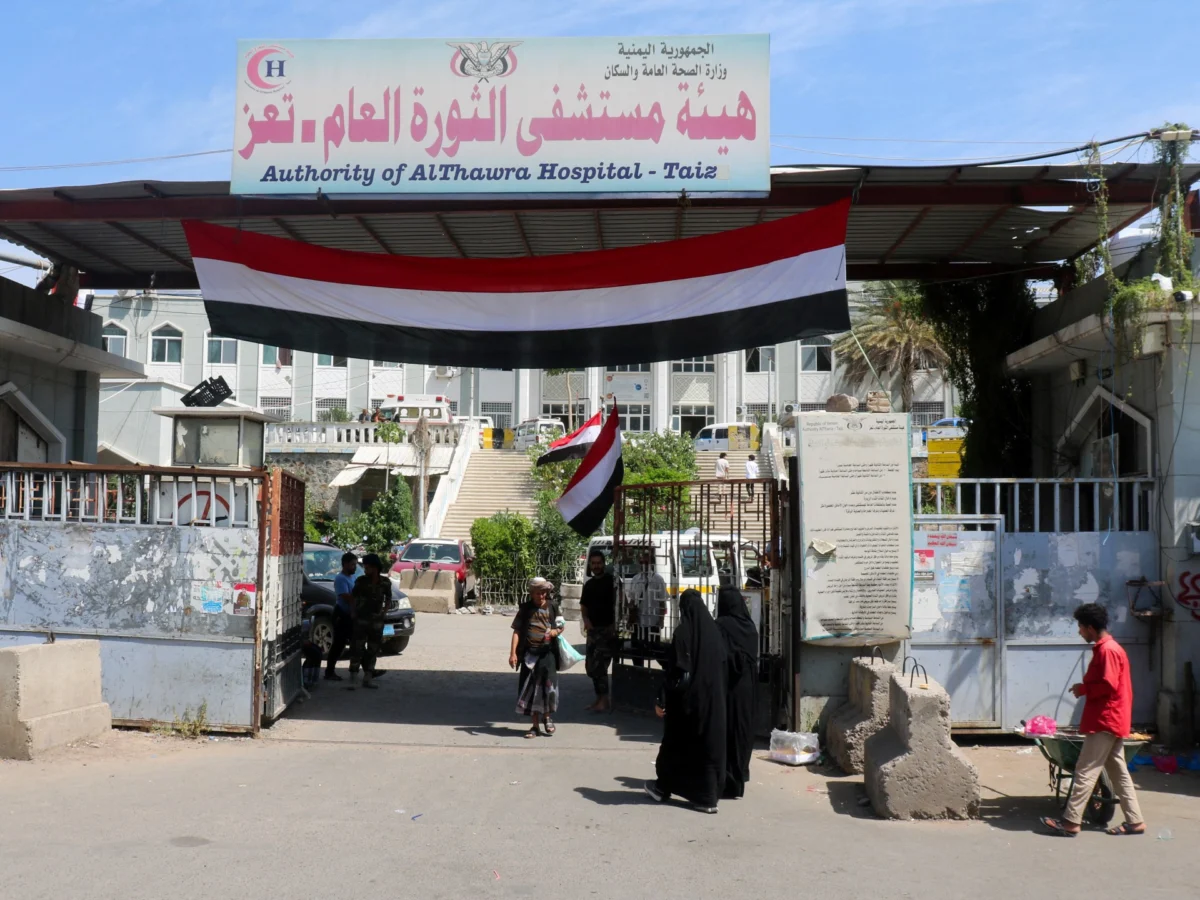
- Health infrastructure overwhelmed by war-wounded.
- Renewed fighting risks humanitarian catastrophe, aid groups warn.
Who Is Affected?
The populations most at risk include civilians trapped in active combat zones and those dependent on regular food distributions coordinated by international and local aid organizations. With supply chains disrupted, entire communities may soon lack access to basic nutrition and medical care.
Health facilities continue to report surges in casualties, compounding existing shortages of staff, medicines, and equipment. Many hospitals operate beyond capacity while trying to serve both local residents and displaced persons fleeing nearby clashes.
International donors have previously funded emergency relief efforts in Yemen, but funding gaps persist even during quieter periods. Renewal of large-scale operations depends heavily on continued contributions from governments and private donors worldwide.
What Happens Next?
If current trends hold, aid agencies predict further deterioration in living conditions unless immediate de-escalation measures take effect. Negotiations involving regional stakeholders aim to establish safe corridors for humanitarian convoys, though progress remains uncertain.
Meanwhile, UN officials emphasize that any prolonged interruption in food deliveries could lead to mass starvation, particularly among children under five years old. Monitoring groups call for urgent action to protect civilian infrastructure and ensure unhindered access for aid workers.
Past conflicts in the region show how quickly stable situations can unravel when essential services collapse. Communities already weakened by poverty find themselves pushed closer to survival thresholds each day new waves of violence emerge.
What We Know — and What We Don’t
Verified by the source:
- Almost one million people are reportedly cut off from food aid.
- Health infrastructure is described as overwhelmed due to war-wounded influx.
- Aid groups have issued warnings about potential humanitarian catastrophe.
Still unconfirmed:
- Exact locations or frontlines where fighting escalated.
- Names or titles of specific aid group representatives involved.
- Temporal details regarding duration or intensity of recent clashes.
- Specific estimates of additional funding needed for response.
Why It Matters
This renewed threat underscores how fragile peace remains in regions long affected by prolonged conflict. Even small disruptions in aid flows can reverse years of hard-won gains in public health and food security, affecting millions beyond those directly caught in crossfire.
What To Watch
Stakeholders await updates from diplomatic channels working toward temporary truces and expanded humanitarian access agreements. Observers note that early intervention typically determines whether short-term emergencies become generational crises.