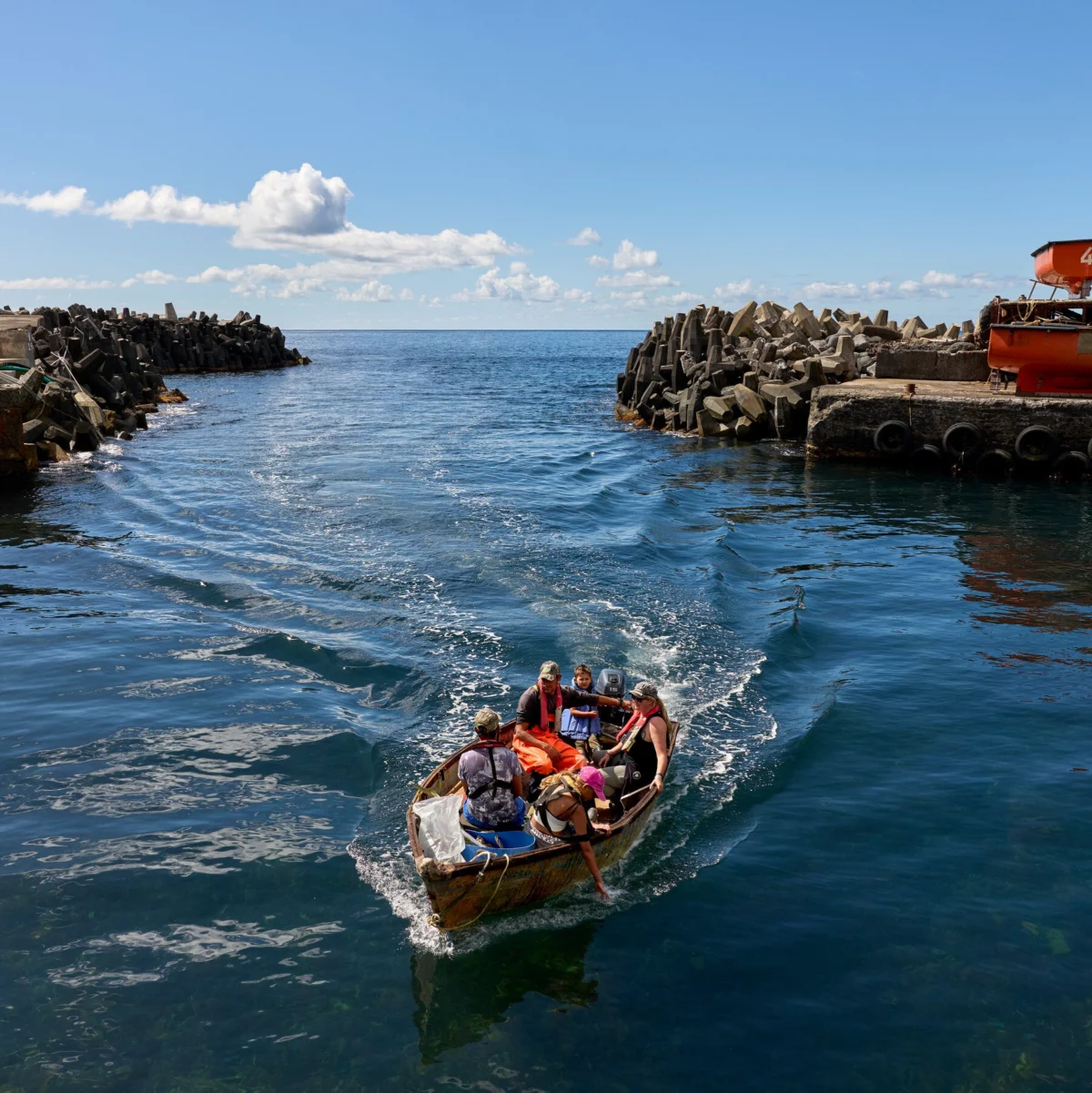
Tristan da Cunha, often cited as the world’s most remote inhabited island, is home to a small community that lives thousands of miles from major landmasses. Located in the South Atlantic Ocean, the island lies approximately 2,430 kilometers (1,510 miles) from the nearest inhabited point, Saint Helena, and even farther from continental Africa or South America. The settlement of Edinburgh of the Seven Seas serves as the island’s only outpost, where residents navigate isolation through tight-knit social ties, limited infrastructure, and supply chains dependent on infrequent ship arrivals. Life here requires adaptability and self-reliance, as the island lacks an airport and relies on a small harbor capable of receiving cargo vessels only during favorable weather conditions.
Key Facts
- Tristan da Cunha is considered the world’s most remote inhabited island.
- The island supports a small permanent population in Edinburgh of the Seven Seas.
- No airport exists; access is primarily by sea.
- Resupply occurs via infrequent maritime shipments.
- The community exemplifies life shaped entirely by geographic isolation.
The Story: What Is Daily Existence Like?
Daily life on Tristan da Cunha revolves around basic survival needs adapted to extreme remoteness. Electricity generation depends largely on diesel generators, while water is collected from rainfall. Internet connectivity remains weak, limiting communication with the outside world. Most homes lack indoor plumbing, relying instead on shared facilities or outdoor latrines. Despite these hardships, locals maintain strong cultural traditions and mutual support systems crucial for psychological well-being. Employment opportunities are scarce, mostly tied to fishing industries, farming, or government roles servicing the settlement.
Who Lives There and Why?
Fewer than 300 people call Tristan da Cunha home year-round. Descendants of early British settlers arrived after the island was first charted in 1810. Genetic studies show high levels of relatedness due to generations of relative isolation. Residents value their independence but face logistical hurdles such as importing food, fuel, and construction materials. Medical emergencies require urgent evacuation arrangements using military or naval assistance from afar. Education takes place at a single primary school attended by all children before they board elsewhere for secondary studies.
What Are the Future Challenges?
Climate change poses growing threats to sustaining human habitation on Tristan da Cunha. Rising sea levels endanger coastal settlements, while shifting oceanic patterns affect marine ecosystems vital for local fisheries. Economic sustainability is another concern since tourism potential remains constrained by accessibility issues. Younger generations increasingly leave for education or work abroad, raising questions about long-term demographic viability. However, renewed interest in remote research stations and conservation efforts may offer new prospects for economic diversification without compromising environmental integrity.
What We Know — and What We Don’t
Verified by the source:
- Tristan da Cunha is recognized as one of the most remote inhabited places globally.
- Its sole settlement, Edinburgh of the Seven Seas, houses fewer than 300 residents.
- Landings depend on infrequent ship visits and lack regular air transport options.
Still unconfirmed:
- Exact population figures and birth rates have not been independently verified.
- Specific timelines for future infrastructure upgrades remain unclear.
- Official policies regarding emigration trends or youth retention strategies are not detailed in available sources.
Why It Matters
Understanding life on ultra-remote islands like Tristan da Cunha highlights broader themes about human adaptation to extreme environments, the fragility of isolated societies, and the global implications of climate change. Their experiences underscore the delicate balance between preserving cultural identity and embracing modernization pressures across vast distances from centralized governance structures.
What to Watch
Future updates may reveal changing migration patterns or policy decisions affecting whether current inhabitants choose to remain permanently settled amid evolving environmental realities.