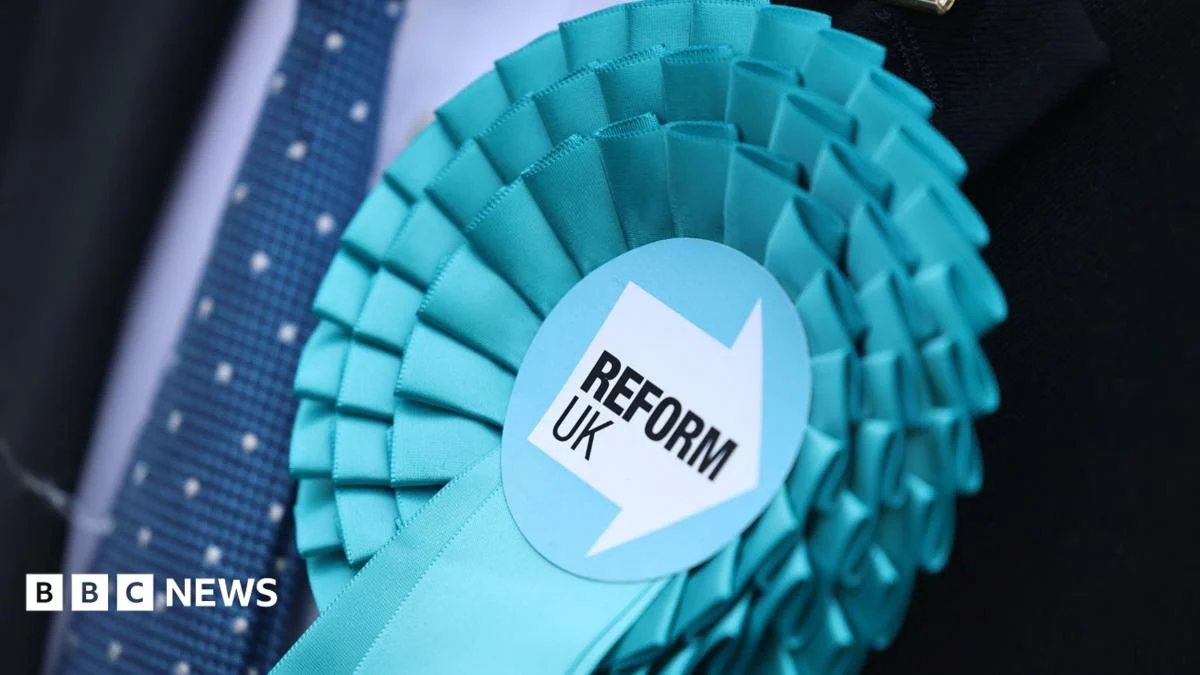
Reform UK is facing renewed questions over its candidate vetting procedures after undercover filming raised concerns about how candidates are selected and screened. The party has responded by saying it has improved and prioritised its vetting procedures, though details of those changes remain undisclosed.
The controversy stems from footage that surfaced highlighting potential gaps in the screening of prospective candidates. While Reform UK has acknowledged past shortcomings, critics are pressing for greater transparency about what reforms have actually been introduced and whether they go far enough.
Key Facts
- Reform UK says it has improved and prioritised its candidate vetting procedures.
- The party faces questions over candidate vetting following undercover filming.
- Details of specific vetting changes were not provided by the party.
What Has Changed?
The core issue centres on how political parties check the backgrounds, affiliations, and suitability of those they put forward as candidates. Undercover filming has previously played a role in exposing weaknesses in party candidate selection, prompting calls for tighter oversight and clearer public reporting of vetting standards. In this case, BBC News reported that Reform UK confirmed it had taken steps to improve its procedures, but the extent and implementation of those steps were not detailed in the coverage.
Political parties in the UK operate largely self-regulated vetting systems, relying on internal committees and volunteer vetting officers. Unlike civil service recruitment, there is no centralised statutory body that independently verifies political candidate suitability, meaning public confidence often depends on voluntary transparency. When incidents occur involving unsuitable candidates, it typically triggers pressure for reform, although follow-through on such promises can vary.
What Happens Next?
Moving forward, attention is likely to focus on whether Reform UK will publish further information about its revised vetting protocols. Parties that undergo scrutiny after vetting controversies sometimes release summaries of changes or invite external observers to review their processes. Whether Reform UK follows that path remains unclear, as no public timeline or commitment was reported by BBC News.
For voters and other parties, the incident underscores ongoing tensions between political competitiveness and accountability. As campaign periods approach, the strength of candidate vetting will remain a point of public interest, particularly in marginal constituencies where unexpected candidate selection issues can attract disproportionate attention. How this develops may depend on whether additional information emerges or whether new incidents prompt further action.
What We Know — and What We Don’t
Verified by the source:
- Reform UK said it has improved and prioritised its candidate vetting procedures.
- The party is facing questions over candidate vetting after undercover filming.
Still unconfirmed:
- The specific changes Reform UK has made to its vetting procedures.
- Whether undercover filming revealed particular names or incidents.
- If any candidates were rejected or removed as a result.
- Whether external oversight or third-party review of the process has been introduced.
Why It Matters
Public trust in political institutions depends partly on the belief that candidates are properly checked before standing for office. Weaknesses in vetting processes can allow unsuitable individuals to gain access to positions of influence, undermining democratic legitimacy. For voters, knowing that parties take candidate vetting seriously — and can demonstrate it — remains central to informed participation in elections.
What To Watch
Further details from Reform UK on its revised vetting procedures may emerge in upcoming press statements or policy publications.