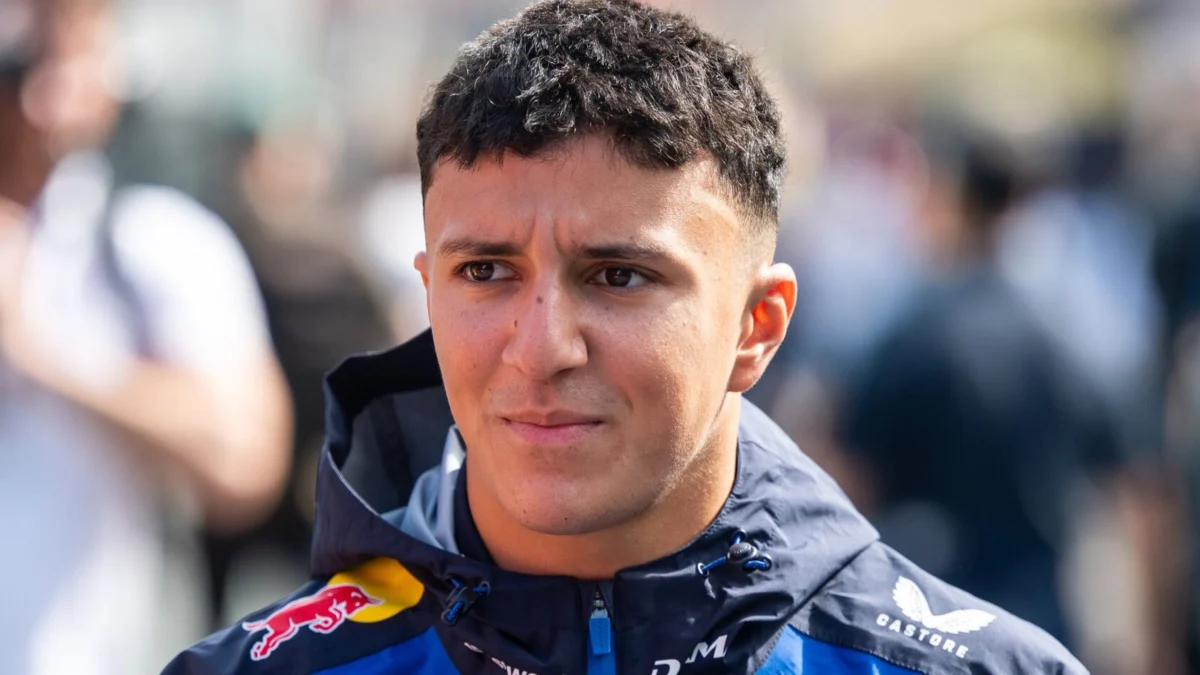
Red Bull driver Isack Hadjar will return to action at the Azerbaijan GP after missing three races with a wrist injury. His absence from the championship has stretched across recent events, and his comeback aligns with the upcoming street circuit race.
Hadjar has been sidelined while recovering from a wrist injury sustained earlier in the season. His return marks a key moment for Red Bull as they look to regain momentum in the drivers’ standings. The Azerbaijan GP is known for its demanding layout, making driver fitness and familiarity crucial.
KEY FACTS
- Isack Hadjar missed three races due to a wrist injury.
- He is set to return at the Azerbaijan GP.
- Hadjar drives for Red Bull in Formula 1.
- His injury occurred earlier in the season.
- The Azerbaijan GP takes place on a street circuit.
The Story
What Happens Next?
Hadjar’s return to the Azerbaijan GP introduces a fresh dynamic for Red Bull. After missing key preparation and race weekends, he will need to quickly reacclimate to the team’s setup and strategy calls. The street circuit demands precision, and any rust from inactivity could affect his early laps. Still, his presence adds depth to the driver lineup, especially during high-pressure moments on tracks like Baku.
The wrist injury kept Hadjar out of competitive racing for several weeks, delaying his development trajectory mid-season. His comeback does not come with guarantees of immediate performance, but it signals progress in his recovery. Teams rely heavily on consistent driver input during practice sessions, particularly on unfamiliar or tricky circuits.
Red Bull’s planning now includes integrating Hadjar fully into weekend operations. That includes simulator work, tire strategies, and coordination with engineers. His return may also shift internal benchmarks for rookie performance metrics, depending on how quickly he adapts.
How Did We Get Here?
Isack Hadjar began his Formula 1 career with notable promise, earning a seat at Red Bull after strong performances in junior series. A wrist injury unexpectedly interrupted his rhythm, forcing him to step back while the team adjusted its approach in his absence. The timing of the injury made it difficult for the team to rely on his feedback during critical development phases.
During Hadjar’s absence, Red Bull managed without him by leaning more on their lead driver and adjusting tactical decisions accordingly. The team’s adaptation highlighted both the importance of full-driver availability and the challenge of integrating younger racers into elite competition. Now that he is cleared to compete, attention turns to how seamlessly he can rejoin race weekends.
Missing three consecutive events meant Hadjar lost valuable track time at varying circuit types. Each venue presents unique demands, and repetition builds familiarity. His return at a street circuit adds another layer of difficulty, given the tight margins and limited run-off areas common in urban environments.
What We Know — and What We Don’t
Verified by the source:
- Hadjar was injured and missed three races.
- He is returning at the Azerbaijan GP.
- He drives for Red Bull.
- The injury involved his wrist.
Still unconfirmed:
- The exact date of the injury.
- Specific details about treatment or surgery.
- His fitness level upon return.
- Whether he will retain equal status with other drivers.
Why It Matters
Hadjar’s return contributes to the broader narrative around team stability and driver development in Formula 1. For Red Bull, maintaining a competitive two-driver lineup remains essential, especially when chasing constructors’ points across long seasons. His re-entry also reflects how modern F1 handles injuries—balancing medical caution with performance continuity.
What To Watch
Expect updates on Hadjar’s performance during practice sessions at the Azerbaijan GP, where initial signs of form often reveal whether a driver has retained sharpness post-injury.