Lede
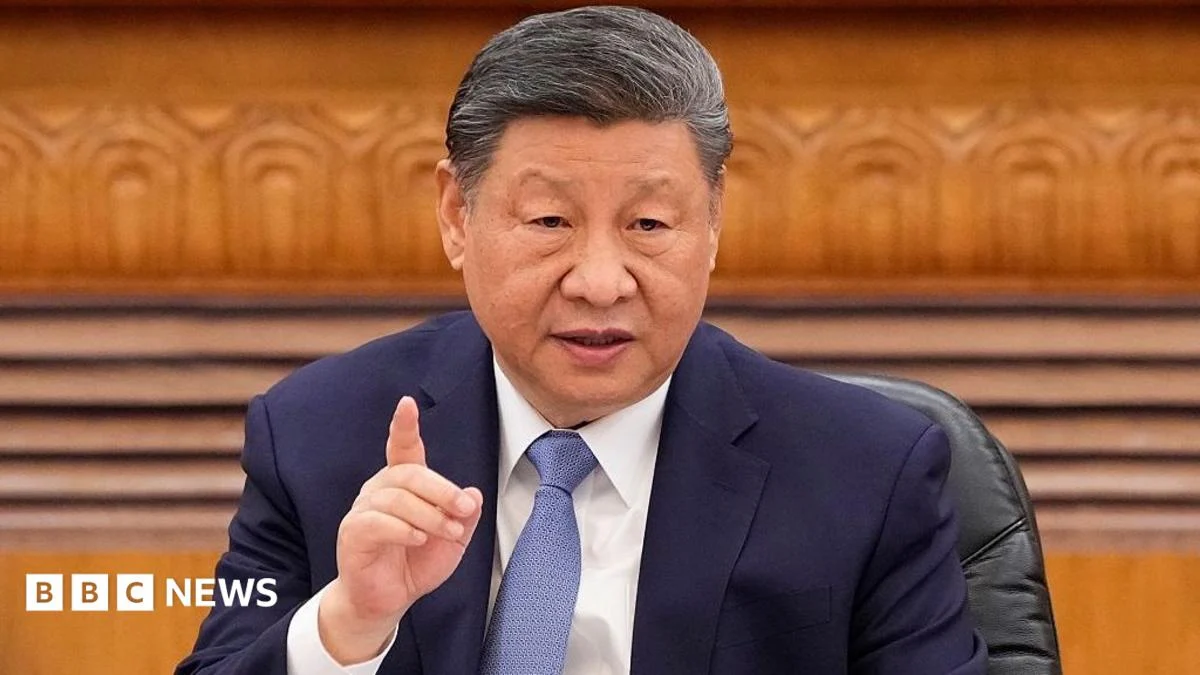
Chinese President Xi Jinping underscored party discipline at a recent political gathering amid a record number of high-profile purges, according to BBC News. Observers note that what began as an anti-corruption campaign has evolved into a mechanism for consolidating and maintaining centralized authority within the Communist Party of China.
The emphasis on party discipline signals a reinforcing of internal controls and ideological alignment across government and state institutions. While the BBC report does not specify exact numbers or names purged, it highlights the scale of removals as unprecedented, marking a distinct phase in the leadership’s approach to governance and loyalty enforcement.
Key Facts
- — Record number of purges reported during party discipline focus.
- President Xi Jinping emphasized party discipline at a political gathering.
- Observers say the campaign shifted from anti-corruption to authority consolidation.
- BBC News is the sole cited source for these developments.
The Story
What happens next?
The trajectory of party discipline measures will likely influence upcoming personnel decisions and policy directions within the Chinese government. As the campaign transitions toward institutional stability, further reshuffling among regional officials or state-owned enterprises may follow.
Observers caution that increased reliance on punitive measures could stifle bureaucratic innovation or deter reformist voices within the party. Without clear timelines or public disclosures, external analysts are left to interpret symbolic gestures and procedural changes as indicators of deeper systemic adjustments.
Future announcements regarding senior appointments or internal investigations will shed more light on whether this phase prioritizes continuity under Xi or introduces subtle recalibrations in governance strategy.
What Is Party Discipline And Why It Matters Now
In the context of the Chinese political system, party discipline refers to the internal rules and enforcement mechanisms used by the Communist Party of China to ensure adherence to its principles and directives. These protocols traditionally govern conduct, decision-making transparency, and hierarchical obedience among members.
Recently, they have been invoked not only against corruption but also as tools for removing perceived threats to centralized power. By framing purges under the banner of discipline rather than legality alone, the party reinforces ideological conformity while projecting unity.
This dual function – discipline as both corrective action and political tool – underscores how organizational loyalty supersedes procedural independence in key areas of governance. For international stakeholders monitoring influence networks or regulatory shifts, recognizing the role of discipline becomes essential in assessing long-term strategic positioning.
Why It Matters
These developments reflect ongoing efforts by top leadership to shape internal dynamics amid evolving economic and geopolitical pressures facing China today globally.
What To Watch
Stakeholders should monitor official media for updates on personnel changes or revised guidelines reflecting evolving priorities tied directly back to party discipline initiatives moving forward.
What We Know — and What We Don’t
Verified by the source:
- A record number of purges occurred alongside renewed emphasis on party discipline.
- Xi Jinping delivered remarks linking discipline to broader governance goals.
- The anti-corruption drive is now framed as strengthening centralized authority.
Still unconfirmed:
- Exact number or identities of purged individuals.
- Names of specific departments or regions involved.
- Temporal scope or frequency of future disciplinary actions.