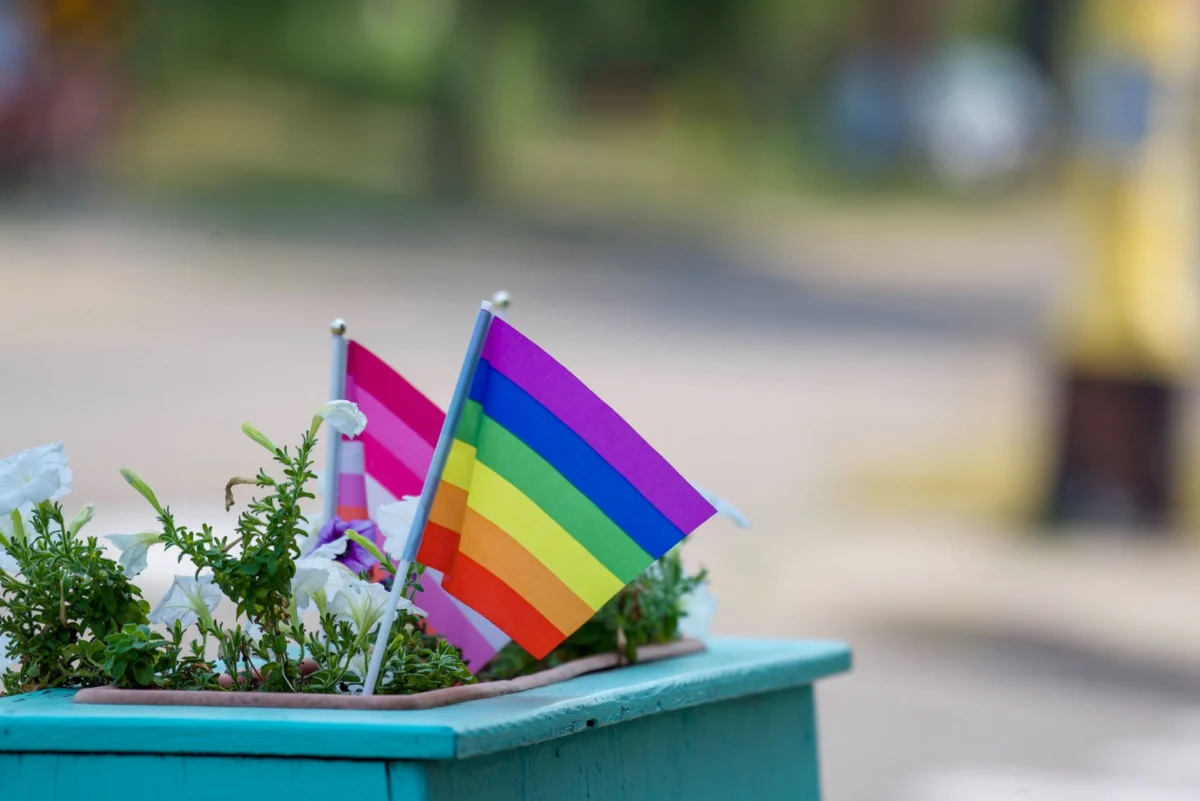
As the stadium lights flickered on in Doha, a sea of rainbow‑striped scarves drifted onto the pitch during the Egypt‑Iran World Cup match, a visual that would have been impossible a decade ago.
FIFA confirmed the flags meet its “non‑political” guidelines, permitting spectators to display them without fear of sanction.
What FIFA actually said
The governing body released a terse statement on its website, noting that the flags “do not violate any of our existing regulations” and will be tolerated at the upcoming fixture.
Why does this matter?
For many fans, the rainbow flag represents LGBTQ+ rights – a cause still criminalised in both Egypt and Iran. Allowing the symbols at a high‑stakes match sends a subtle, global message that football can be a platform for marginalised voices.
Human rights advocates have long warned that the World Cup could become a stage for “sportswashing” – using sport to gloss over human‑rights abuses. Allowing rainbow flags may be FIFA’s way of walking a diplomatic tightrope while nodding to progressive audiences.
Numbers on the ground
Stadium officials reported roughly 1,200 rainbow flags spotted in the first half, according to on‑site counts shared with politics monitors. That is roughly 7% of the 17,000‑person crowd, a noticeable minority but far from a takeover.
Ticket sales for the match topped 93% capacity, showing that the political symbolism did not deter fans from buying seats.
Who is affected?
Fans from LGBTQ+ groups attending the game can now wave their colors without the fear of being removed. Conversely, conservative factions in both countries have denounced the decision, calling it “an interference in cultural values.”
FIFA’s own ethics committee will review any complaints after the match, though no formal protests have been lodged yet.
What happens next?
Beyond the Egypt‑Iran game, FIFA faces pressure to clarify its stance for the remainder of the tournament, especially as other teams with outspoken supporters prepare to play.
Will the organization keep the door open for more rainbow displays, or tighten the rulebook under pressure from host nations? The answer could shape the future of political expression in sport.
Stay tuned as the World Cup progresses – the symbols on the stands might be quieter than the chants, but they could echo far beyond the stadium walls.