Lede
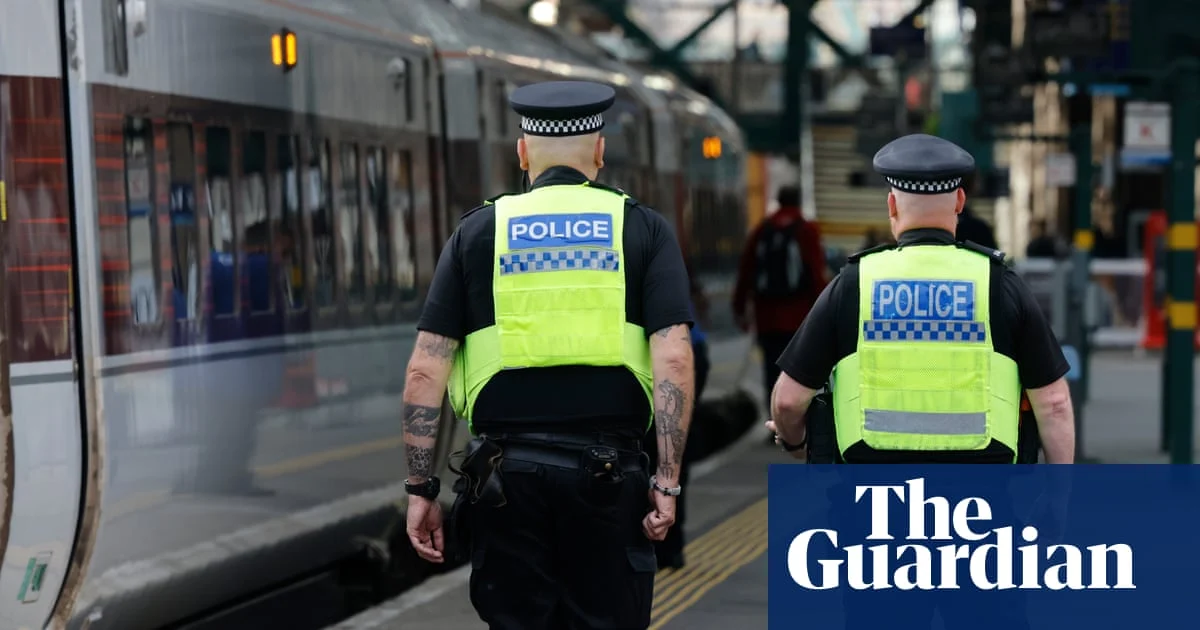
Reported railway assaults in Great Britain reached a record high of nearly 25,000 incidents in a single year, according to data released by the Office of Rail and Road (ORR). Unions representing rail workers say the sharp increase in attacks on both staff and passengers demonstrates an urgent need for more staffing and police presence across the network. The rise includes incidents targeting railway employees as well as members of the public traveling on trains and using stations.
The ORR figures highlight growing safety concerns on British railways, with unions describing the statistics as ‘horrendous’ and warning that understaffing and reduced visibility contribute to escalating risks for commuters and frontline workers alike.
KEY FACTS
- 25,000 reported railway assaults occurred annually in Great Britain.
- Assaults included attacks on both rail staff and members of the public.
- Office of Rail and Road (ORR) published the record-high data.
- Unions say the figures show need for more staff and policing.
- Data covers incidents on trains and at stations across Great Britain.
The Story
What does the increase mean?
The ORR reported a significant uptick in assaults across the rail network, marking the highest level recorded since records began. Both passenger-on-passenger incidents and attacks directed at rail personnel contributed to the spike. Unions argue that visibility and deterrence are key deterrents, suggesting that lower staffing levels may have emboldened aggressive behavior. They emphasize that increased frontline presence could help reduce future incidents. The data also reflects broader concerns about public safety in enclosed transit environments during periods of social tension and economic strain.
Who is affected?
The surge in railway assaults impacts two distinct groups: rail workers—including conductors, drivers, and customer service staff—and ordinary passengers who rely on trains for daily commuting or leisure travel. Staff report feeling increasingly vulnerable during shifts, particularly when dealing with disruptive individuals alone or in understaffed areas such as late-night services or remote stations. Passengers, especially those traveling alone or during off-peak hours, face heightened exposure to verbal abuse, intimidation, and physical violence. Advocates argue that improved lighting, communication tools, and real-time support systems would enhance personal security across the rail system.
How did we get here?
Several factors likely played a role in the escalation of assaults on British railways over the past year. Reduced staff numbers following budget cuts have left many stations and carriages less patrolled, creating opportunities for unchecked misconduct. Economic pressures and rising mental health challenges among segments of society may have also fueled interpersonal conflicts spilling into public spaces like trains. Additionally, the normalization of confrontational behavior in digital forums appears to have carried over into physical interactions. While exact causal links remain unclear without deeper investigation, stakeholders agree that current conditions require immediate intervention to restore a safe environment for everyone involved.
WHAT WE KNOW — AND WHAT WE DON’T
Verified by the source:
- Annual reported assaults rose to nearly 25,000 incidents.
- Data was compiled and released by the Office of Rail and Road.
- Attacks targeted both rail workers and passengers.
- Unions attributed part of the issue to insufficient staffing.
- The latest figures represent a record high compared to previous years.
Still unconfirmed:
- Exact breakdown of assault types (verbal vs physical).
- Precise date range covered by the reporting period.
- Cities or regions with the highest incidence rates.
- Causal relationship between staffing levels and crime spikes.
Why It Matters
Railway assaults affect millions of commuters annually and pose serious risks to essential transport infrastructure. Ensuring rider and worker safety encourages public confidence in mass transit, reduces long-term costs tied to healthcare and legal proceedings, and supports sustainable urban mobility goals. Addressing these threats proactively strengthens national resilience amid evolving societal stressors.
What To Watch
Future updates from the ORR may include quarterly breakdowns of regional trends and preventive measures adopted by train operators. Stakeholders are expected to monitor union negotiations regarding safety protocols alongside upcoming policy discussions within Parliament.