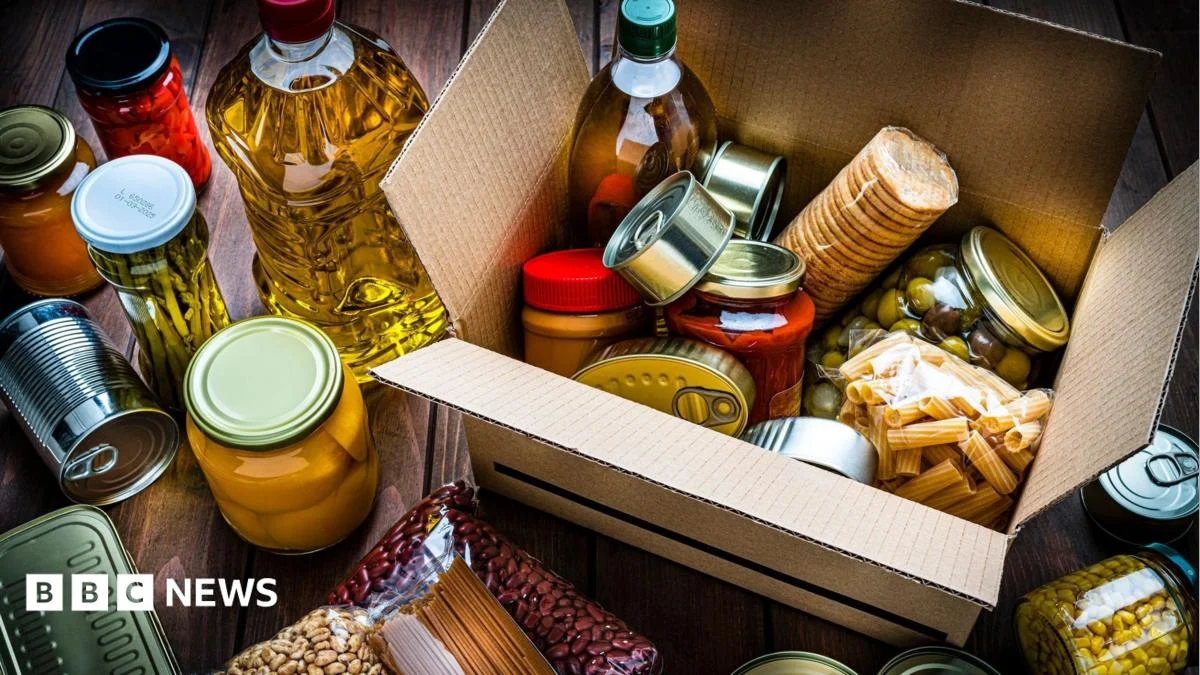
Radio and tinned food sales rose sharply after retailers encouraged customers to stock up, BBC Newsnight reported. Figures obtained by the broadcaster showed large spikes in demand for emergency supplies including torches, radios and power banks.
The surge followed public calls from retailers to prepare for potential supply disruptions. BBC Newsnight secured internal sales data showing pronounced increases in battery-powered and non-perishable items across the UK retail sector. Analysts say the rise reflects consumer caution rather than coordinated panic buying.
Key Facts
- Sales of radios and tinned foods increased after a call to stock up
- BBC Newsnight obtained figures showing large sales spikes
- Torches, radios and power banks saw significant demand increases
- Retailers encouraged customers to prepare for shortages
- Analysts describe the trend as cautious rather than panicked
What drove the sudden surge in radio and tinned food sales?
Retailer appeals prompted consumers to replenish essential goods. BBC Newsnight accessed sales data showing that basic communication and lighting equipment experienced the highest growth. These items are standard recommendations for emergency preparedness kits in the UK. Public health guidance routinely lists battery-powered radios among critical supplies during power outages or communication breakdowns. Tinned foods and torches follow similar logic: long shelf life and independence from electricity.
The spike coincided with broader concerns about supply chain stability. While retailers issued general advice, no official emergency alert was declared. Still, consumer behaviour shifted toward self-reliance. This mirrors patterns seen during previous periods of uncertainty when households prioritise non-perishables and off-grid tools.
Power banks also featured prominently in the sales data. With mobile phones becoming lifelines, portable chargers joined torches and radios as household staples. The combination suggests preparation for short-term isolation or disruption rather than extended crisis planning.
Who is affected by these shifts in consumer demand?
Consumers purchasing emergency supplies are the immediate drivers. Households buying radios, tinned foods and power banks are acting on retailer advice. Retailers themselves benefit from increased footfall and basket sizes. However, supply chains must now adapt to surging demand for specific SKUs. Manufacturers may reallocate production lines to meet orders for battery-powered goods.
Social patterns could shift slightly if more households invest in standalone communication tools. A battery-powered radio becomes useful beyond emergencies. Similarly, power banks reduce dependence on fixed charging points. While the trigger remains unspecified, the behavioural change has measurable economic impact.
What We Know — and What We Don’t
Verified by the source:
- BBC Newsnight obtained sales figures showing spikes
- Items included torches, radios and power banks
- Retailers issued calls to stock up
- Rise occurred recently following public appeals
- Analysts described buyers as cautious
Still unconfirmed:
- No specific date range for the sales data
- Names of retailers involved undisclosed
- Reason behind retailer calls not stated
- No quantified percentage increase in sales
- Geographic scope of the data unclear
This story connects to broader economic trends in the economy and markets category, where household spending patterns often signal deeper shifts in confidence and preparedness.
What to watch: Further sales data may reveal whether the trend stabilises or fades once normal supply rhythms return. Official comments from retailers or government agencies could clarify whether the push formed part of wider preparedness messaging.