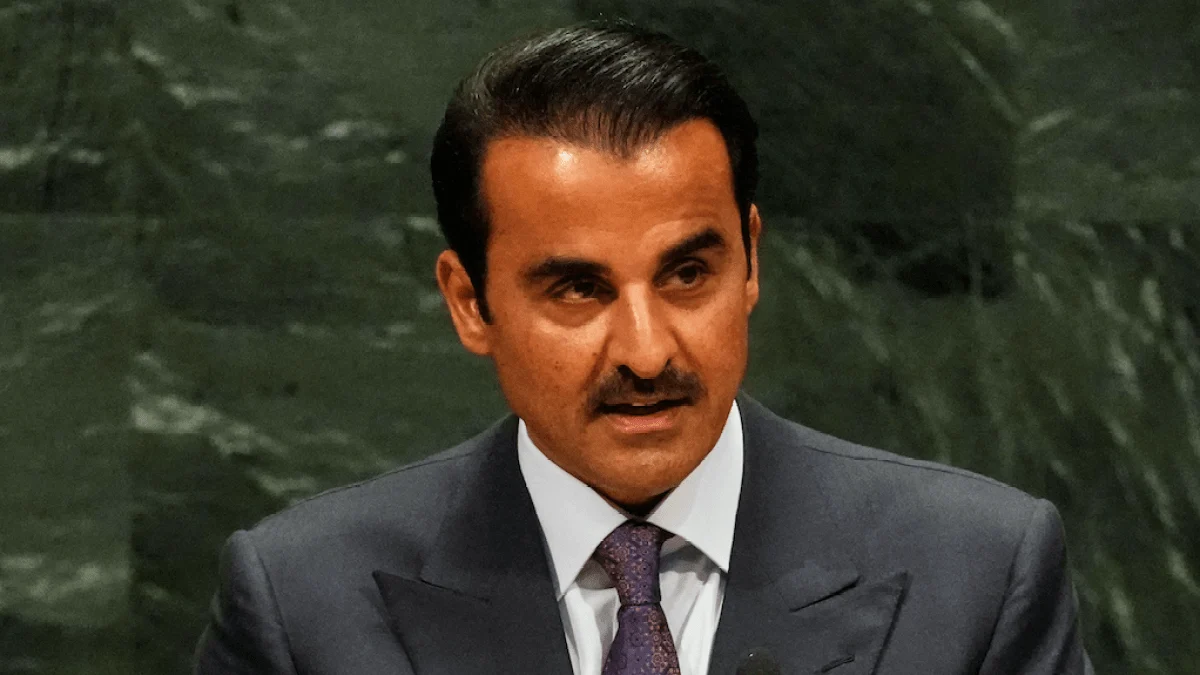
The Qatari Emir said the country will not limit itself as a Gulf mediator, emphasizing that Qatar sees its role as extending beyond simple mediation. Speaking at the United Nations General Assembly, the Emir stated that Qatar considers itself more than just a mediator in regional affairs.
The remarks signal a deliberate effort to frame Qatar’s regional identity in terms that go beyond its well-known diplomatic intermediation, suggesting a broader strategic posture in Gulf politics and international diplomacy.
Key Facts
- The Qatari Emir said Qatar will not limit itself as a Gulf mediator.
- The Emir addressed the United Nations General Assembly.
- Qatar said it is more than a mediator.
The Story
What happens next?
Qatar’s insistence that it will not limit its Gulf mediator role suggests continuity in its foreign policy approach. Rather than retreating from high-profile diplomatic initiatives, the statement implies that Doha intends to sustain or even broaden its involvement in regional conflict resolution. This stance aligns with Qatar’s public profile over the past decade, during which it has hosted peace negotiations and served as an intermediary between opposing factions in several conflicts.
By stating that it is more than a mediator, Qatar may be signaling an interest in playing additional roles such as political facilitator, economic partner, or humanitarian supporter. Whether future actions reflect an expanded mandate or simply rhetorical positioning will depend on follow-through in subsequent regional engagements.
Who is affected?
Regional governments and international observers monitoring Gulf diplomacy are likely influenced by Qatar’s latest framing. Countries that have previously relied on Qatari mediation may reassess their expectations, while those skeptical of Qatar’s motives could view this declaration as confirmation of increased ambitions. The broader population affected includes diplomatic stakeholders involved in ongoing negotiations across the Middle East.
The statement also carries symbolic weight domestically, reinforcing national messaging around sovereignty and leadership. For citizens and residents of Qatar, such pronouncements shape perceptions of their country’s place in global affairs. Internationally, allied and neutral states may interpret this as either cooperation or caution, depending on prior relationships.
What We Know — and What We Don’t
Verified by the source:
- The Qatari Emir spoke at the United Nations General Assembly.
- The Emir said Qatar will not limit itself as a Gulf mediator.
- Qatar declared it is more than a mediator.
Still unconfirmed:
- No specific conflicts or negotiations where this policy applies were named.
- The exact wording of the Emir’s full speech was not provided.
- No other officials’ responses to the statement were reported.
Why It Matters
Qatar’s refusal to limit its Gulf mediator role reflects ongoing efforts to maintain influence amid shifting alliances in the Middle East. As regional powers balance cooperation and competition, statements like these help define trajectories of diplomatic engagement that affect stability and negotiation outcomes across conflict zones.
What To Watch
Future speeches or official actions by Qatari leadership may clarify whether this expanded self-characterization leads to concrete policy shifts. Observers await tangible follow-up initiatives that could confirm or reshape perceptions of Qatar’s evolving role.