Lede
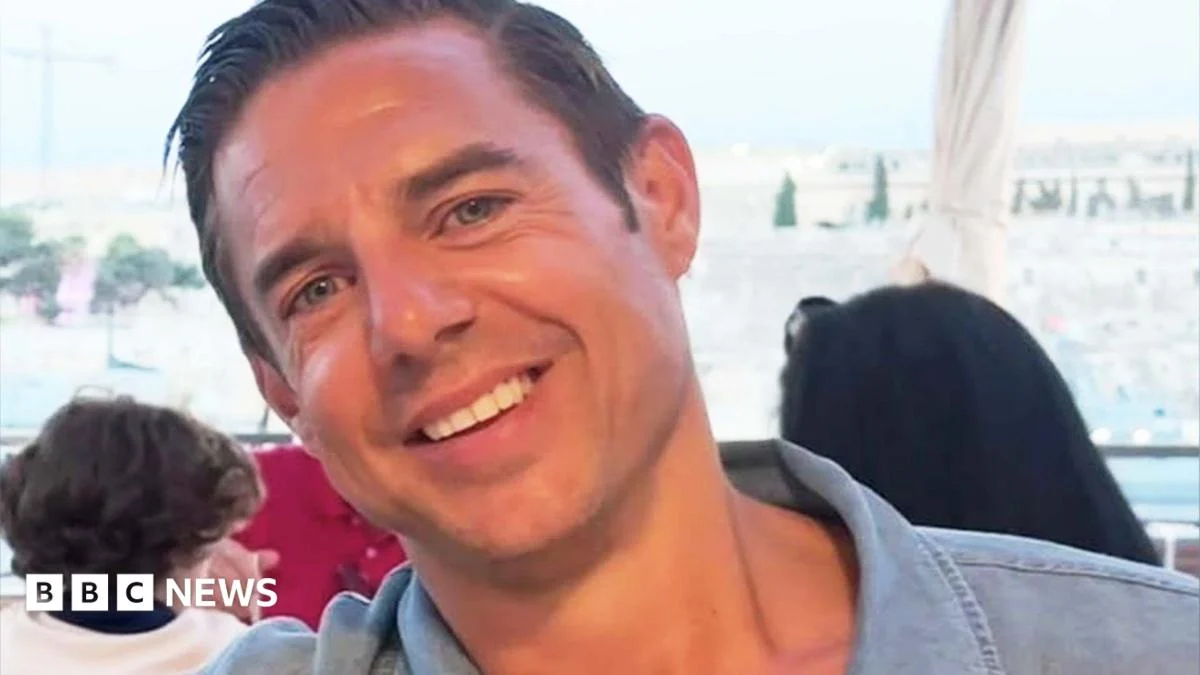
The family of the suspect known as the ‘Putney pusher’ has publicly stated that he was innocent and not involved in the incident attributed to the nickname.
They argue there was no forensic evidence connecting him to the alleged events, and they hold law enforcement responsible for his death.
- The suspect was referred to as the ‘Putney pusher’.
- His family claims he was innocent.
- No forensic evidence linked him to the incident.
- The family blames the police for his death.
The Story
What happened in Putney?
The ‘Putney pusher’ became a public figure due to allegations tied to an unspecified incident in the area. The identity of the suspect was reported as Nicholas Brandram, though the source does not name him directly.
His family insists on his innocence and highlights the absence of forensic evidence tying him to the case. This lack of physical evidence appears central to their argument that he should not have been treated as a suspect.
The family also places blame on the police, suggesting that their actions contributed to his death. No further details about the cause, timing, or circumstances of his death are provided in the source.
Why does this matter?
This case raises questions about how suspect identification and media coverage can affect individuals and their families. When someone becomes publicly associated with a crime without forensic proof, it can lead to reputational harm and emotional distress for loved ones.
The family’s decision to speak out indicates ongoing concerns over accountability and transparency in policing, particularly when it comes to naming suspects before charges are filed.
The broader public interest lies in ensuring that justice systems protect both communities and individuals from premature judgment based solely on association or suspicion.
Who is affected?
Beyond the immediate family, this situation touches on themes relevant to anyone wrongly implicated by law enforcement or media narratives. It underscores how quickly reputations can deteriorate under public scrutiny.
Potentially impacted are other families facing similar situations where their loved ones become subjects of intense investigation without conclusive evidence. Their voices often remain unheard amidst headlines and assumptions.
Additionally, authorities face renewed pressure to justify their investigative methods and communication strategies during active cases involving public safety concerns.
What We Know — and What We Don’t
Verified by the source:
- The suspect was labeled the ‘Putney pusher’.
- His family says he was innocent.
- There was no forensic evidence linking him to the incident.
- His family blames the police for his death.
Still unconfirmed:
- The specific nature of the incident referred to as the ‘Putney pusher’ case.
- The cause or timing of the suspect’s death.
- Whether formal legal proceedings were initiated against him.
- The identity of the suspect beyond what the family reported.
Why It Matters
Public trust in law enforcement depends on fairness and accuracy in how suspects are portrayed. Cases like this highlight the need for cautious reporting and clear evidence standards before reputations are damaged.
It also emphasizes the importance of protecting privacy rights even during sensitive investigations, especially when allegations involve serious crimes.
What To Watch
Further developments may include official responses from police or investigative updates if new evidence emerges. At present, no additional steps are confirmed by the source.