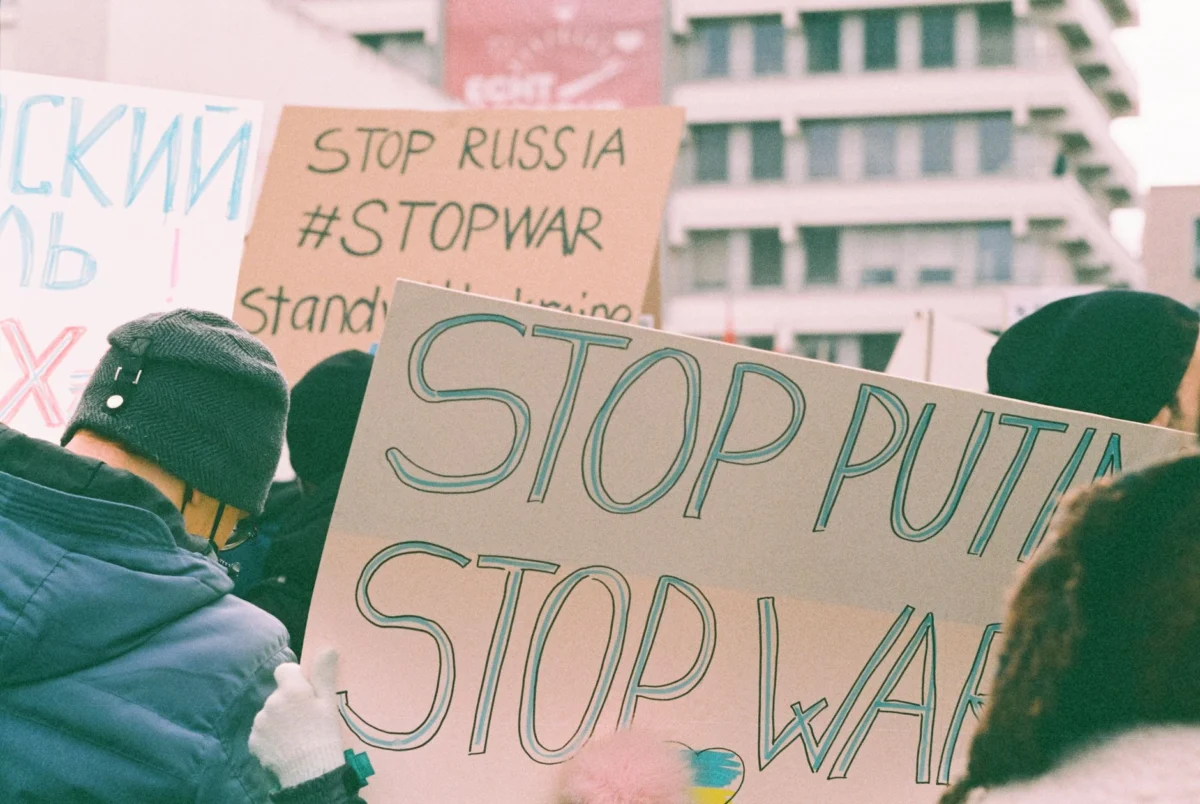
Vladimir Putin warned NATO on Thursday that any further military support to Ukraine will force Russia to “take decisive steps” to protect its security.
The Kremlin’s statement, carried by the Bluefield Daily Telegraph, cited recent joint NATO drills near the Russian border and the delivery of additional Patriot air‑defence systems to Kyiv as provocations.
“We cannot tolerate a continued buildup of hostile forces on our doorstep,” Putin said in a televised address, adding that Moscow was prepared to respond with “all necessary means”.
What sparked the latest warning?
In the past week, NATO announced a new multinational exercise involving 30,000 troops in the Baltic states, a move Moscow denounced as a direct threat. Simultaneously, the United States confirmed the shipment of 12 Patriot missile batteries to Ukraine, bringing the total U.S. aid package to over $30 billion.
Analysts in war‑geopolitics say the timing aligns with Russia’s spring offensive plans in the Donbas, where Ukrainian forces have reclaimed several key settlements.
Why does this matter?
Every escalation raises the risk of a broader confrontation that could draw in the Euro‑Atlantic alliance, disrupt global energy markets, and push inflation higher for consumers worldwide.
Energy prices have already spiked 6% since the announcement of the NATO drills, according to Bloomberg data, and European governments are scrambling to secure alternative supplies.
For ordinary citizens, a renewed clash could mean higher gas bills, disrupted supply chains, and a wave of refugees seeking safety in neighboring states.
What happens next?
The United States has pledged “additional diplomatic channels” to de‑escalate, while NATO’s strategic commander warned that the alliance will not back down from its commitments to Ukraine.
Putin’s next steps remain unclear, but experts warn that Russia could mobilise reserve divisions, increase cyber‑attack activity, or target critical infrastructure in NATO countries.
Stay tuned as the situation unfolds; the next few days could reshape the security architecture of Europe.