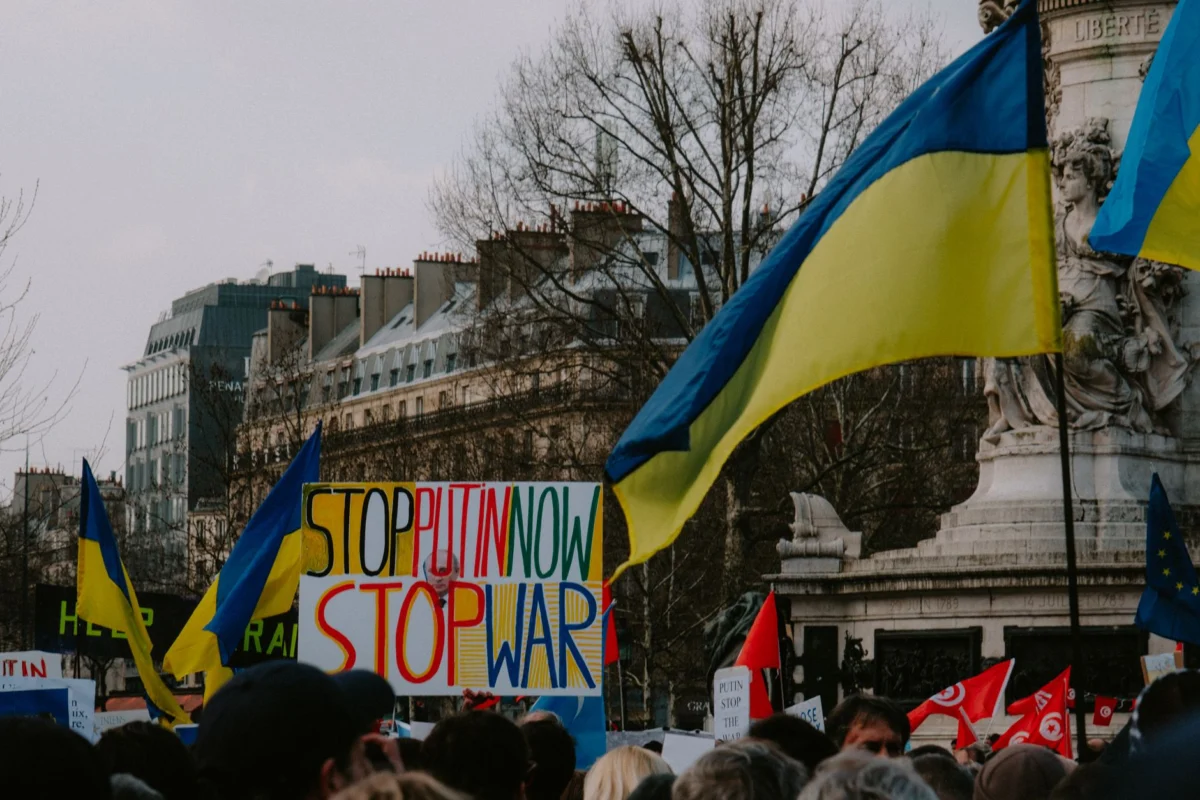
Russian President Vladimir Putin warned European nations on Sunday that deploying peacekeeping troops to Ukraine could trigger a major escalation, potentially leading to armed conflict. He framed the West’s support for Kyiv as a direct threat to regional stability, even as Moscow continues to insist its actions pose no danger to Europe. The statement came amid ongoing discussions among NATO allies about possible post-conflict security arrangements in Ukraine, which Russia has repeatedly opposed.
In his remarks, Putin accused Western governments of provoking Russia by supplying military aid and considering long-term troop deployments to Ukraine. He asserted that such measures would force Moscow to respond decisively, suggesting that any attempt to station foreign forces near its borders would be met with swift retaliation. While he denied posing a threat to Europe, analysts note that previous warnings from the Kremlin have preceded significant military actions.
Key Facts
- Russian leader Vladimir Putin warned Europe of war if peacekeeping troops are deployed to Ukraine.
- Putin stated that Russia poses no threat to Europe.
- He criticized Western nations for supplying military support to Ukraine.
- Putin claimed that foreign troop deployments would lead to escalation.
- His comments follow ongoing NATO discussions on post-conflict security in Ukraine.
The Story
What Happens Next?
Europe now faces a critical juncture as NATO allies weigh options for stabilizing Ukraine once active hostilities wind down. Several member states have floated plans for a peacekeeping force, possibly under a UN mandate or joint European command structure. However, Russia has made clear that it views such deployments as unacceptable — framing them as violations of its sovereignty and strategic interests.
The White House and Brussels have so far avoided committing to specific numbers or timelines, citing uncertainty around battlefield outcomes. Still, officials have stressed that decisions will depend on progress in diplomacy and de-escalation efforts. Meanwhile, Putin’s ultimatum adds pressure to negotiations involving Turkey, Germany, and other mediators seeking a durable resolution.
Who Is Affected?
Citizens across Eastern Europe remain vulnerable to shifts in rhetoric and policy emanating from Moscow. Countries like Poland, Romania, and Bulgaria host large refugee populations fleeing violence in Ukraine, while also bracing for potential disruptions in energy supplies. For Kyiv itself, international guarantees of territorial integrity are essential for rebuilding trust after years of conflict.
Economists warn that renewed escalation risks derailing global commodity markets already strained by sanctions and supply chain bottlenecks. Investors are watching closely for signs of further sanctions or countermeasures that could ripple through financial systems worldwide.
How Did We Get Here?
Tensions between Russia and the West have simmered since 2014, when Moscow annexed Crimea following Ukraine’s Euromaidan revolution. Subsequent conflicts in Donbas drew condemnation but failed to resolve underlying disputes over NATO expansion and regional influence. Over time, both sides entrenched positions, making compromise increasingly elusive despite repeated rounds of negotiation.
Ukraine’s resilience in defending its capital last year inspired renewed pledges of support from abroad, including advanced weaponry deliveries and humanitarian aid packages worth billions. These gestures were meant to deter further aggression yet also fueled concerns within the Kremlin about encirclement. Today, Putin frames his latest warning as preemptive defense rather than offense — though skeptics argue it mirrors earlier justifications used before invading neighboring territories.
What We Know — and What We Don’t
Verified by the source:
- Vladimir Putin publicly warned that deploying peacekeeping troops to Ukraine may result in war.
- Russia insists it does not threaten Europe.
- Putin condemned Western military assistance to Ukraine.
- His statements responded to reported plans by some NATO members for post-war deployment.
Still unconfirmed:
- The exact identity or timing of countries planning to send peacekeepers.
- Specific responses or countermeasures Russia might take beyond verbal threats.
- Details regarding whether Putin spoke at an official event or private briefing.
- Reactions from key European leaders or institutions.
Why It Matters
This exchange underscores how fragile transatlantic relations have become, particularly with unresolved questions surrounding Ukraine’s future status and security architecture. As global powers jockey for influence amid shifting alliances, miscalculations carry steep costs not just for the region but beyond.
For readers tracking developments tied to war geopolitics and international stability, understanding these dynamics helps contextualize broader trends affecting everything from oil prices to migration flows.
Economic markets too feel indirect effects via sanction regimes and investor sentiment shifts driven by geopolitical volatility.
This Putin peacekeeping warning heightens fears of wider conflict, complicating already tense negotiations over Ukraine’s post-war future.
What To Watch
Further statements from NATO officials and continued diplomatic engagement with Russia remain crucial indicators of whether calm can be restored before irreversible steps occur.