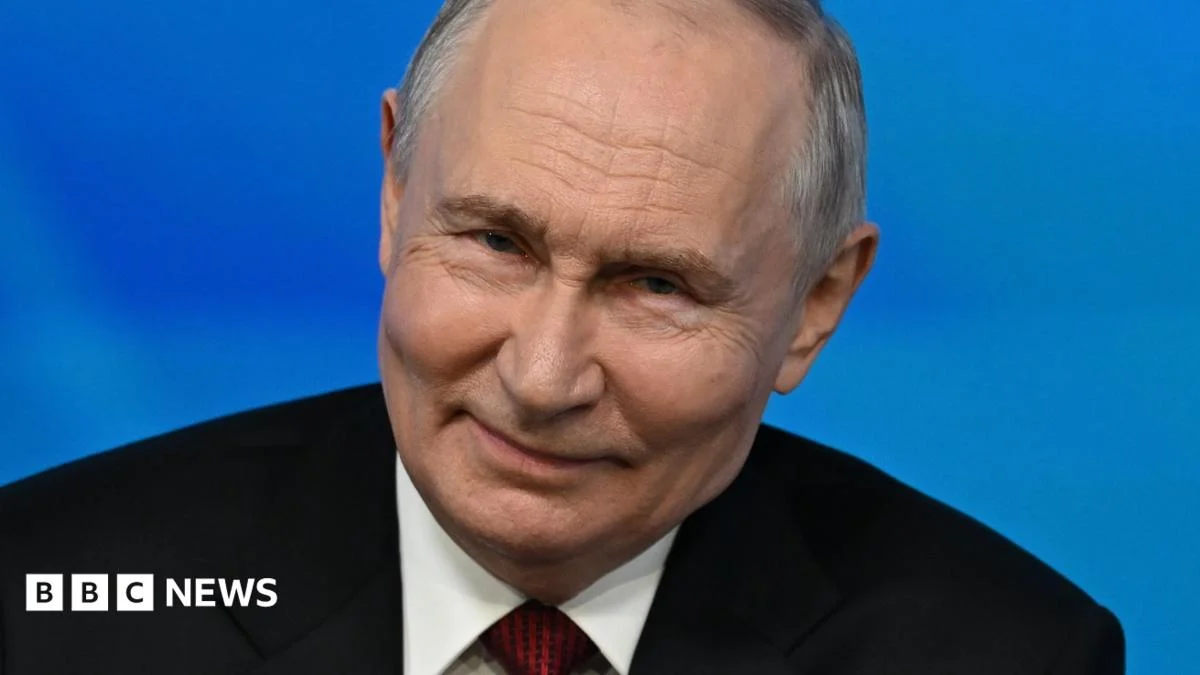
Russian President Vladimir Putin warned Western leaders that Russia is prepared to use every weapon available to protect the Kaliningrad region, a Russian exclave bordering NATO members Lithuania and Poland. The statement, reported by BBC News, comes amid heightened tensions between Moscow and the West over security assurances and military posturing near the Baltic states. Putin insisted his country was responding directly to recent remarks made by Western officials rather than issuing new threats.
He emphasized that Russia’s actions were defensive in nature and part of an ongoing dialogue with global powers regarding regional stability. While no further specifics were provided in the summary, Putin’s remarks signal Russia’s intent to maintain strong deterrent capabilities around Kaliningrad, which hosts key military installations and serves as a strategic access point to the Baltic Sea.
Key Facts
- Putin warns West that Russia is ready to use every weapon to protect Kaliningrad.
- Russia insists it is not threatening anyone but merely responding to Western statements.
- The remarks follow public comments from Western leaders about regional security.
- Kalinigrad, a Russian exclave, borders NATO countries Lithuania and Poland.
- The report originates from BBC News and falls under geopolitics coverage.
The Story
What Happens Next?
The immediate future hinges on whether Western nations respond with reciprocal warnings or escalate diplomatic engagement. Russia has previously used Kaliningrad as a demonstration site for advanced missile systems, including nuclear-capable Iskander missiles. Analysts suggest any increased militarization could prompt NATO to reinforce its eastern flank through enhanced air patrols or rotational deployments.
European capitals have repeatedly criticized Moscow for what they describe as aggressive rhetoric and unauthorized drills near national borders. Should Putin’s message resonate beyond symbolic posturing, it may influence upcoming summits where NATO allies discuss long-term defense commitments to member states like Lithuania and Poland.
Without additional context from official transcripts or follow-up interviews, assessing the gravity of these statements remains difficult. The BBC summary provides only a narrow lens into a complex issue involving sovereignty, alliance structures, and Cold War-era tensions resurfacing in modern form.
Who Is Affected By These Statements?
NATO members sharing land borders with Kaliningrad—Lithuania and Poland—are most directly affected. Both countries joined the Western military alliance after the Cold War ended, raising concerns among analysts about potential flashpoints if miscalculations occur during joint exercises or routine surveillance missions.
Citizens living within proximity of the enclave also face indirect consequences such as heightened alert statuses at military bases, temporary flight restrictions, and increased radar activity. Economically, disruptions to shipping lanes across the Baltic Sea could ripple through global trade networks dependent on timely cargo movement between Scandinavia and Central Europe.
Broader populations throughout the EU might experience secondary impacts via energy pricing volatility or shifts in defense spending allocations should member governments decide to augment their contributions toward collective security initiatives.
Background: Why Kaliningrad Matters Strategically
Historically part of East Prussia before World War II, Kaliningrad was transferred to Soviet control and later became an isolated Russian territory when Lithuania declared independence in 1991. Its geographic isolation necessitates careful management of supply routes, often relying on transit agreements via Belarus or sea passage through neutral waters.
Militarily, the area hosts the headquarters of Russia’s Baltic Fleet and features infrastructure capable of supporting both conventional and unconventional warfare modes. Over recent years, Moscow has invested heavily in upgrading facilities there, including constructing roads suitable for heavy armor transport and installing integrated air defense networks.
These enhancements underscore Russia’s desire to project influence well beyond its immediate borders while simultaneously deterring encroachment by external actors operating under NATO auspices.
What We Know — and What We Don’t
- Verified by the source:
-
- Putin addressed the West regarding use of all available weapons for protecting Kaliningrad.
- Russia claims it is not threatening anyone and is responding to prior Western statements.
- BBC News attributed this information to official communications attributed to Putin.
- Kalinigrad lies adjacent to NATO members Lithuania and Poland.
- Still unconfirmed:
-
- No exact date or venue specified for Putin’s speech or press conference.
- No named officials quoted inside the summary beyond reference to “Western leaders” generally.
- No mention of particular weapon types or timelines involved in Russia’s supposed readiness posture.
- No independent corroboration from other news outlets cited in the article itself.
Why It Matters
This development highlights ongoing friction between Russia and Western institutions centered on competing visions for European security architecture. For ordinary citizens, especially those residing near contested zones, such pronouncements carry real risks tied to accidental escalation or misunderstanding. At the policy level, decisions taken today over response protocols will likely shape intercontinental relations for generations ahead.
What To Watch
Future statements from either side, particularly during high-level diplomatic gatherings, will determine whether rhetoric escalates into tangible shifts in military deployment patterns across northeastern Europe.