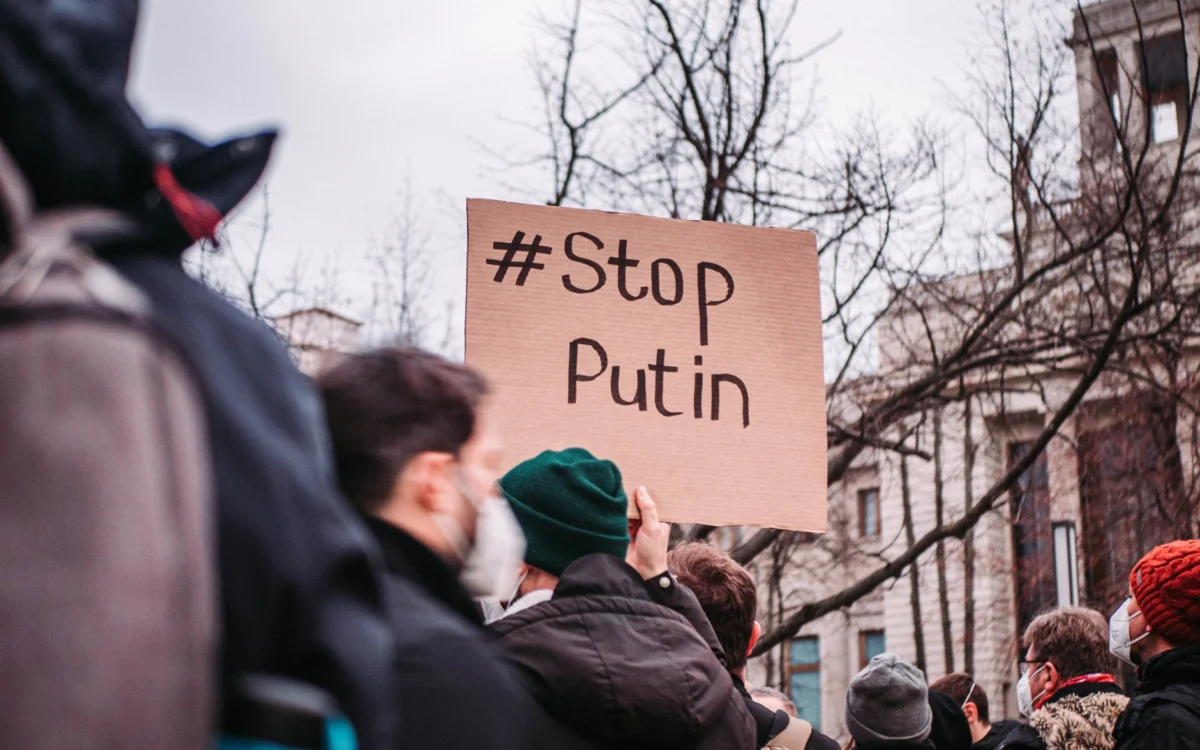
Putin warned Thursday that NATO’s “expansion‑induced provocations” could force Moscow to “take decisive steps” to protect its borders.
The Russian president made the comments during a televised interview with the state‑run channel Rossiya‑24, a platform rarely used for strategic messaging.
He cited the alliance’s recent joint drills in the Baltic Sea and the deployment of U.S. Patriot missiles in Romania as evidence that the West is “testing the limits of Russia’s patience.”
“We will not stand by while a hostile bloc surrounds us,” Putin said, adding that Russia is ready to “reinforce its defensive capabilities and, if required, respond proportionally.”
Why does this matter?
The Kremlin’s rhetoric comes as NATO members debate whether to increase forward‑deployed forces in Eastern Europe, a move that could cost billions of euros and raise the risk of accidental clashes.
For citizens of border states like Poland and the Baltic nations, heightened tensions translate into higher defense taxes, more frequent air‑raid alerts, and the specter of a broader conflict that could disrupt energy supplies and trade routes.
What happens next?
Analysts expect NATO to convene an emergency summit in Brussels next week to reassess its deterrence posture. Should the alliance decide to deepen its presence, Moscow may accelerate its own modernization program, which includes new hypersonic missiles and expanded Arctic patrols.
Conversely, a diplomatic overture from Washington—perhaps a new arms control proposal—could temper the escalation, but both sides remain wary after last year’s mutual accusations of cyber aggression.
In the meantime, markets are already reacting: the Russian ruble slipped 1.4% against the dollar, while European defense stocks rose modestly on speculation of increased procurement.
Understanding Putin’s warning is essential not only for policymakers but also for anyone watching energy prices, travel advisories, or even the cost of a winter heating bill.
As the standoff sharpens, the next statement from either side will likely set the tone for Europe’s security environment for months to come.