Pro-Palestinian protests disrupted a Nations League match between the Republic of Ireland and Austria, which ended 2-2 at the Aviva Stadium in Dublin.
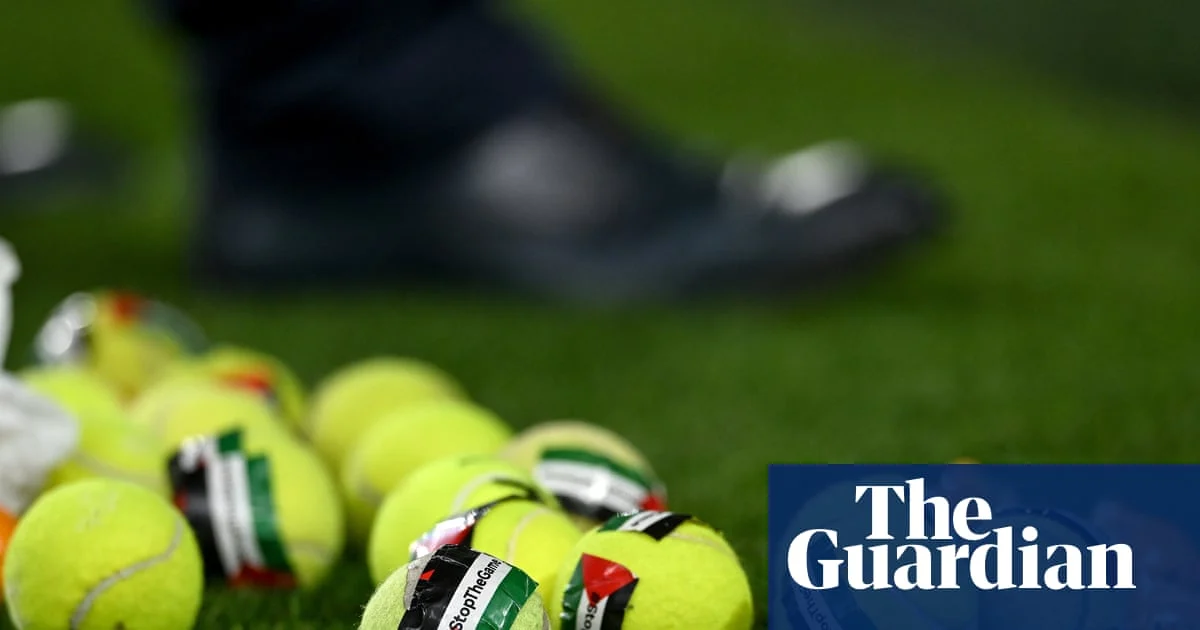
Despite a significant security presence, the contest was twice interrupted in the opening 45 minutes, first due to what campaign group Stop the Game later referred to in a statement as a “limited tennis ball protest”, when – around the 20th minute – tennis balls wrapped in stickers featuring the Palestinian flag and the text “#StopTheGame” were launched on the pitch. The game was then interrupted a second time before halftime, though further details about that incident were not specified by the source.
KEY FACTS
- Score: Republic of Ireland 2–2 Austria in Nations League draw.
- Location: Aviva Stadium, Dublin.
- Protests: Two interruptions during the opening 45 minutes.
- Group Responsible: Campaign group Stop the Game claimed a “limited tennis ball protest”.
- Method: Tennis balls with Palestinian-flag stickers and “#StopTheGame” text thrown onto the pitch.
WHAT HAPPENED DURING THE MATCH?
The Republic of Ireland appeared to be in control after taking a 2–0 lead in the first half. However, Austria mounted a second-half comeback to level the score at 2–2, denying Ireland a potential victory. The momentum shift coincided with two separate pitch invasions or protest interruptions in the first half, which officials attributed to activist demonstrations linked to the Israeli–Palestinian conflict.
According to Football | The Guardian, the first disruption occurred around the 20th minute when spectators launched dozens of tennis balls onto the field. The objects, wrapped in stickers bearing pro-Palestinian messaging, caused a temporary halt in play. A second interruption followed before the break, though the nature of that incident remained unspecified by the source.
Authorities had deployed a notable security presence in advance of the fixture, but the activists still managed to breach or disrupt play twice within the opening half. The match eventually resumed and concluded with a draw, but the events have reignited debate over whether international sporting fixtures should remain insulated from geopolitical tensions.
WHO IS AFFECTED BY THESE PROTESTS?
The disruption directly impacted players, officials, and fans attending the Nations League encounter at the Aviva Stadium. For players, repeated stoppages can disrupt rhythm and concentration, potentially influencing the flow and outcome of the game. Fans who attended expecting a straightforward sporting contest were instead met with unexpected political demonstrations.
More broadly, the incident reflects ongoing efforts by advocacy groups to use high-profile sporting events as platforms for raising awareness about the Israeli–Palestinian conflict. The campaign group Stop the Game confirmed responsibility for at least part of the disruption, framing its actions as peaceful and symbolic rather than destructive.
Nevertheless, the protests raise questions about the intersection of sports and politics. While some supporters view such demonstrations as legitimate expressions of solidarity, others argue they undermine the integrity and neutrality of international competitions.
HOW DID WE GET HERE?
Pro-Palestinian activism at sporting events has grown increasingly visible since the escalation of hostilities in Gaza in 2023. Campaigners have targeted football matches across Europe, seeking to draw attention to humanitarian concerns through symbolic disruptions rather than violence.
Irish football audiences have historically been receptive to political expression, and Dublin has hosted numerous protest-related incidents at both domestic and international fixtures. The choice of a Nations League match suggests organizers aimed for a high-profile yet accessible platform with international broadcast coverage.
Stop the Game, the campaign group referenced in the source, has not previously been widely documented in mainstream reporting, making its precise structure and reach unclear. However, its claim of a “limited” protest aligns with a broader trend of non-destructive demonstrations designed to maximize media attention without causing injury or property damage.
WHAT WE KNOW – AND WHAT WE DON’T
Verified by the source:
- The match ended in a 2–2 draw between the Republic of Ireland and Austria in the Nations League at the Aviva Stadium in Dublin.
- Two interruptions occurred in the opening 45 minutes, including a tennis-ball protest attributed to Stop the Game.
- Tennis balls carried Palestinian-flag stickers and the text “#StopTheGame”.
- A significant security presence was noted prior to the match.
Still unconfirmed:
- The exact cause and nature of the second interruption before halftime.
- Whether any individuals were detained or disciplined following the incidents.
- The total number of protesters involved or their origin.
WHY IT MATTERS
Sporting events continue to serve as symbolic battlegrounds for global political movements. As international fixtures carry wide media reach and passionate fan engagement, they offer activists elevated visibility. At the same time, repeated interruptions risk blurring the line between peaceful advocacy and disruptive behavior, prompting debates among governing bodies about balancing expression with competitive fairness.
WHAT TO WATCH
FIFA and UEFA may revisit policies governing political expression during international matches in light of the disruption. Whether additional protests are planned for upcoming fixtures remains unclear, but the response from football authorities will likely shape future approaches to managing activism at major tournaments.
Meta description: Pro-Palestinian protesters disrupted a Nations League match between the Republic of Ireland and Austria, which ended 2-2 in Dublin.