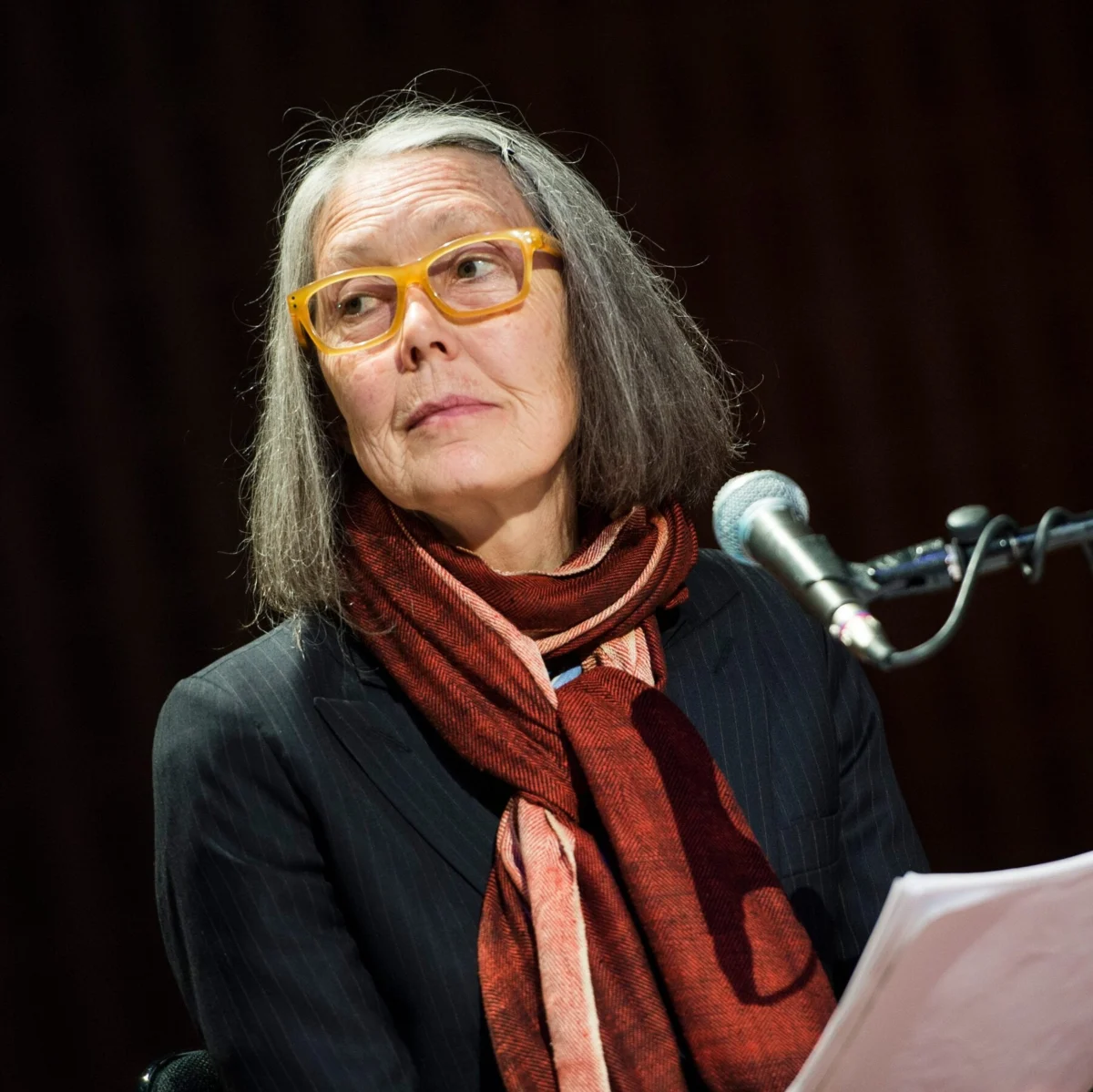
Princeton University celebrated Anne Carson, a Nobel Prize in Literature laureate, even as social media users recalled her earlier denial of tenure at the institution during the 1980s.
The university’s public acknowledgment of Carson’s achievement arrived alongside online commentary contrasting past rejections with present acclaim.
KEY FACTS
- Anne Carson won the Nobel Prize in Literature.
- She was denied tenure while teaching at Princeton University.
- The denial occurred during the 1980s.
- Social media users mocked Princeton’s congratulatory message.
ANNE CARSON’S ACADEMIC HISTORY
Anne Carson, a Canadian poet, classicist, and professor, held a teaching position at Princeton University in the 1980s before her tenure bid was unsuccessful. This outcome preceded her emergence as one of the most celebrated literary figures of her generation, known for works blending poetry, philosophy, and classical scholarship.
Years later, her Nobel Prize win placed her among the world’s most distinguished writers, prompting reflection on the earlier decision. Princeton’s formal congratulations highlighted the evolution of its relationship with Carson, whose experimental style and interdisciplinary approach challenged conventional academic boundaries.
HOW DID WE GET HERE?
The Nobel Committee recognized Anne Carson for her innovative body of work combining lyrical poetry with classical and philosophical inquiry. At Princeton, her tenure denial was reportedly tied to concerns over unconventional scholarly methods, reflecting tensions between traditional academic standards and emerging creative expressions.
Decades onward, institutions like Princeton have embraced Carson’s influence, integrating her writings into curricula and public programming. Her Nobel recognition underscored shifts in global literary taste toward experimental forms, validating approaches once viewed as marginal.
WHAT WE KNOW — AND WHAT WE DON’T
Verified by the source:
- Anne Carson received the Nobel Prize in Literature.
- She taught at Princeton University during the 1980s.
- Tenure was denied to her at Princeton.
- Public reaction included mockery of a congratulatory university message.
Still unconfirmed:
- Exact year of tenure denial within the 1980s.
- Reasons behind the tenure committee’s decision.
- Specific content of Princeton’s congratulatory statement.
WHY IT MATTERS
This story illustrates how perceptions of intellectual merit evolve over time, showing how earlier judgments may appear outdated amid later achievements. It also reflects broader conversations about academic gatekeeping and the value placed on creative versus conventional scholarship.
WHAT TO WATCH
Further coverage may explore responses from other universities or deeper analysis of Carson’s impact on contemporary literature. For updates on arts and culture, see our Top Stories section.