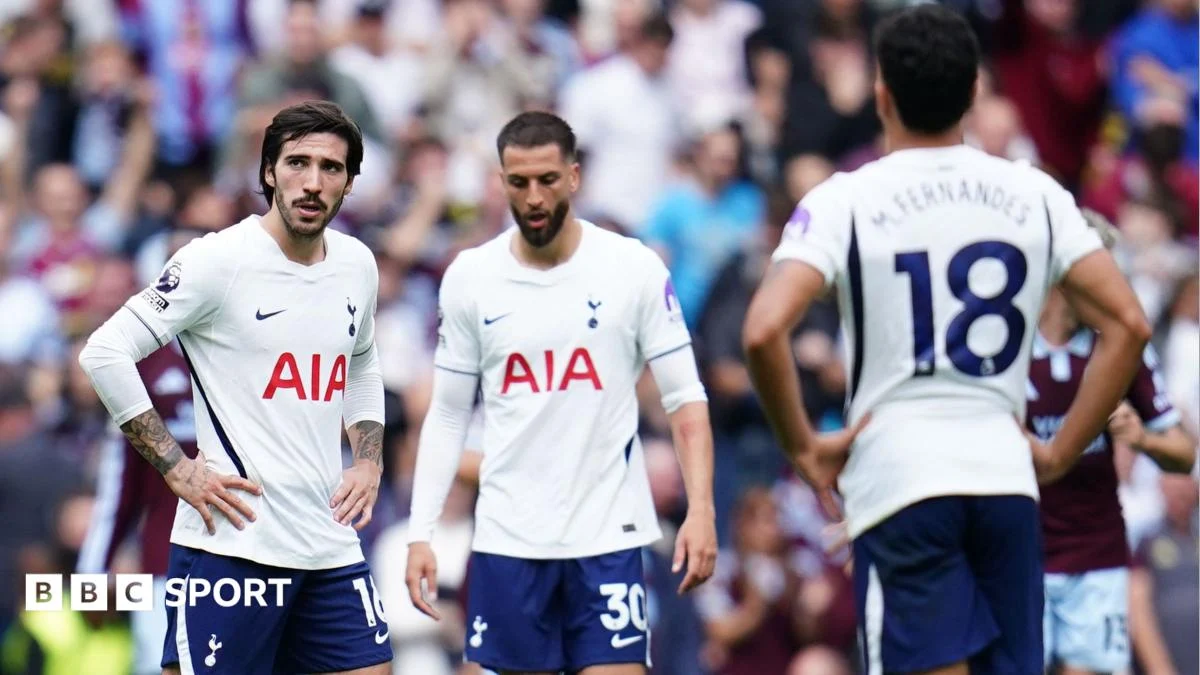
The Premier League’s historic ‘Big Six’ — Arsenal, Chelsea, Liverpool, Manchester City, Manchester United and Tottenham Hotspur — may be losing its stranglehold on English football’s elite, BBC Sport suggests. For years, these six clubs have dominated the top-flight, consistently securing Champions League places and setting the benchmark for success. But shifting dynamics could be reshaping the hierarchy.
While the Big Six remains a defining feature of Premier League football, questions are mounting over whether this structure still reflects the current competitive landscape. New investment, improved recruitment and tactical evolution at other clubs have blurred the lines.
Key Facts
- The Big Six includes Arsenal, Chelsea, Liverpool, Manchester City, Manchester United and Tottenham Hotspur.
- This group has historically dominated the Premier League.
- Recent trends suggest this dominance may be challenged.
- Clubs outside the Big Six are closing the gap.
What defines the Big Six?
The Big Six emerged as a shorthand for the Premier League’s most powerful and consistently successful clubs. These teams have regularly finished in the top four, earning coveted UEFA Champions League qualification and the financial rewards that come with it. Their stature is reinforced by global fanbases, massive revenues and star-studded squads. The term helps simplify discussions around access to Europe’s premier club competition, which brings tens of millions in prize money and commercial exposure.
However, the criteria for inclusion have never been officially codified. Instead, the Big Six has been a media and fan-driven concept, shaped by performance over time. As other clubs invest heavily and improve operationally, the stability of this group is being tested.
Who is affected by the changing dynamics?
All Premier League clubs stand to be impacted if the Big Six model erodes. Clubs like Newcastle United, Aston Villa and Brighton & Hove Albion have shown they can compete with the established elite, potentially breaking into the upper echelon. This shift could redefine access to Champions League football and its associated riches.
Smaller-market clubs gaining ground may also influence broadcasting revenues and sponsorship deals. The ripple effects extend to player valuations, transfer strategies and even international perceptions of the league’s competitiveness.
Why this matters
The composition of elite English football has long-reaching consequences for revenue distribution, European representation and global appeal. If the Big Six is no longer a fixed category, it could reshape the sport’s landscape for years to come.
What We Know — and What We Don’t
Verified by the source:
- The Premier League has traditionally featured a dominant ‘Big Six’.
- The clubs identified are Arsenal, Chelsea, Liverpool, Manchester City, Manchester United and Tottenham Hotspur.
- There are emerging signs that this structure may change.
Still unconfirmed:
- Specific data or metrics proving the decline of the Big Six.
- Names of clubs most likely to break into the top tier.
- Official responses from the six clubs or the Premier League.
- Timeline for when any structural changes might occur.
Why It Matters
English football’s power structure influences everything from ticket prices to international broadcast deals. A shift away from the Big Six could democratize success and revenue, making the league more unpredictable and potentially more competitive overall.
What To Watch
Upcoming seasons will reveal whether current trends represent a temporary fluctuation or the beginning of a lasting transformation in Premier League hierarchy.