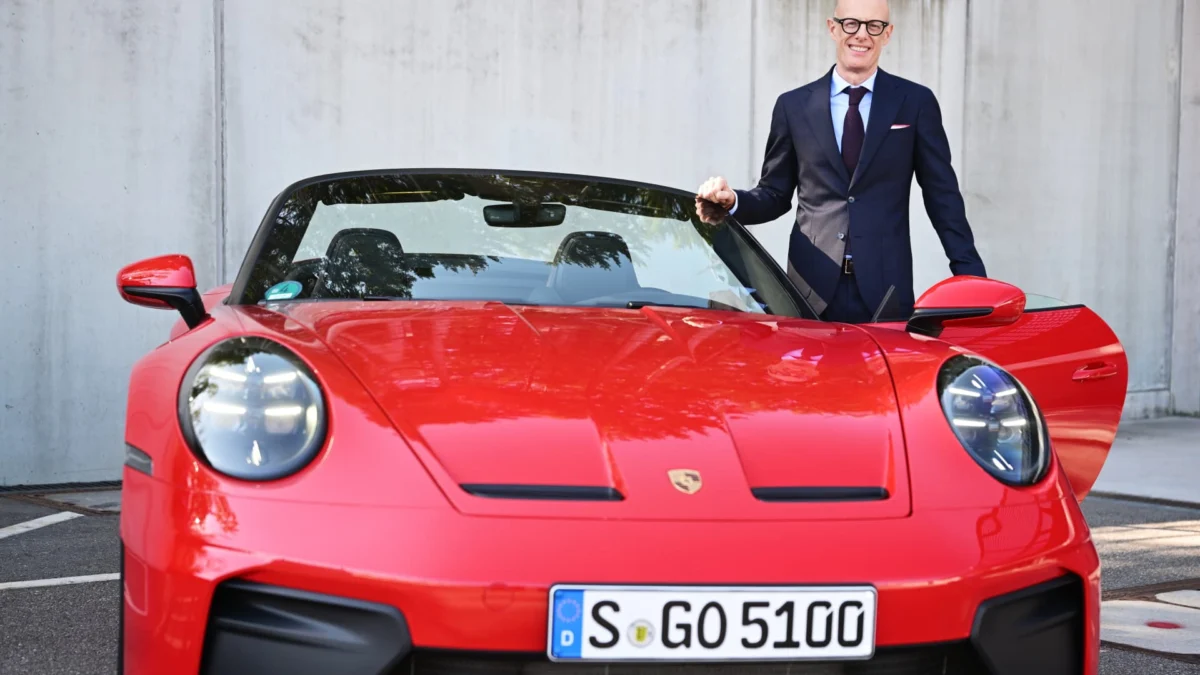
Luxury German carmaker Porsche has reported a rebound in profit as it moves to reduce its exposure to the Chinese auto market. The company’s shift away from heavy reliance on China comes amid a period of financial recovery for the brand.
The decision reflects broader pressures facing Western automakers in China, including regulatory changes, economic slowdowns, and intensified local competition. By trimming its China exposure, Porsche appears to be repositioning itself to mitigate risks tied to a volatile market.
KEY FACTS
- Porsche reported a profit recovery in the first nine months.
- The carmaker is rapidly reducing its exposure to the Chinese auto market.
- Porsche is a luxury German automaker.
- The source is US Top News and Analysis.
THE STORY
Why China matters to Porsche
China has historically been a key market for luxury automakers, offering strong consumer demand and growth potential. However, in recent years, the market has presented challenges including slowing economic growth, stricter regulations, and increased competition from domestic brands. Porsche’s move to reduce its China exposure suggests a strategic pullback to balance opportunity with risk.
This development follows a period of fluctuating performance for Porsche, which has navigated supply chain disruptions and shifting consumer preferences. The reported profit recovery signals that cost-cutting measures and product adjustments may be taking hold. At the same time, scaling back China operations could help insulate the brand from further market turbulence.
What happens next?
Porsche has not publicly detailed specific timelines or targets tied to its reduced China exposure strategy. Analysts suggest that the company may focus more heavily on markets in Europe and North America, where consumer spending on luxury vehicles remains relatively stable. Future earnings reports will likely provide greater clarity on whether this strategic pivot delivers lasting benefits.
The company’s performance will also depend on how global economic conditions evolve and whether new model launches resonate with consumers. For now, the profit rebound offers a positive sign, though questions remain about long-term growth trajectories and the impact of ongoing trade dynamics. Investors and industry watchers will be closely monitoring Porsche’s next moves.
WHAT WE KNOW — AND WHAT WE DON’T
Verified by the source:
- Porsche reported a profit recovery in the first nine months.
- The carmaker is rapidly reducing its exposure to the Chinese auto market.
- Porsche is a luxury German automaker.
Still unconfirmed:
- Specific financial figures behind the profit recovery.
- Exact percentage or timeline of China exposure reduction.
- Whether other markets will absorb the strategic shift.
WHY IT MATTERS
Porsche’s strategic shift away from China is part of a broader trend among Western luxury brands reassessing their dependence on a single market. As geopolitical tensions and economic uncertainty persist, companies are seeking to diversify their revenue streams and reduce vulnerability to external shocks. This move may signal a cautious but calculated recalibration of global business priorities.
Meanwhile, the profit recovery offers a glimmer of resilience in an otherwise challenging auto sector landscape. How Porsche sustains this momentum will be closely watched by investors and competitors alike, particularly as sustainability and innovation become central themes in the race for market leadership. For readers and stakeholders, the company’s performance reflects larger questions about globalization and market adaptation today.
WHAT TO WATCH
Future Porsche earnings reports may clarify whether reducing China exposure supports sustained profitability. Industry observers will also watch whether other luxury automakers adopt similar strategies.
Porsche profit rebounds as it cuts China exposure, reflecting shifting global auto market dynamics.