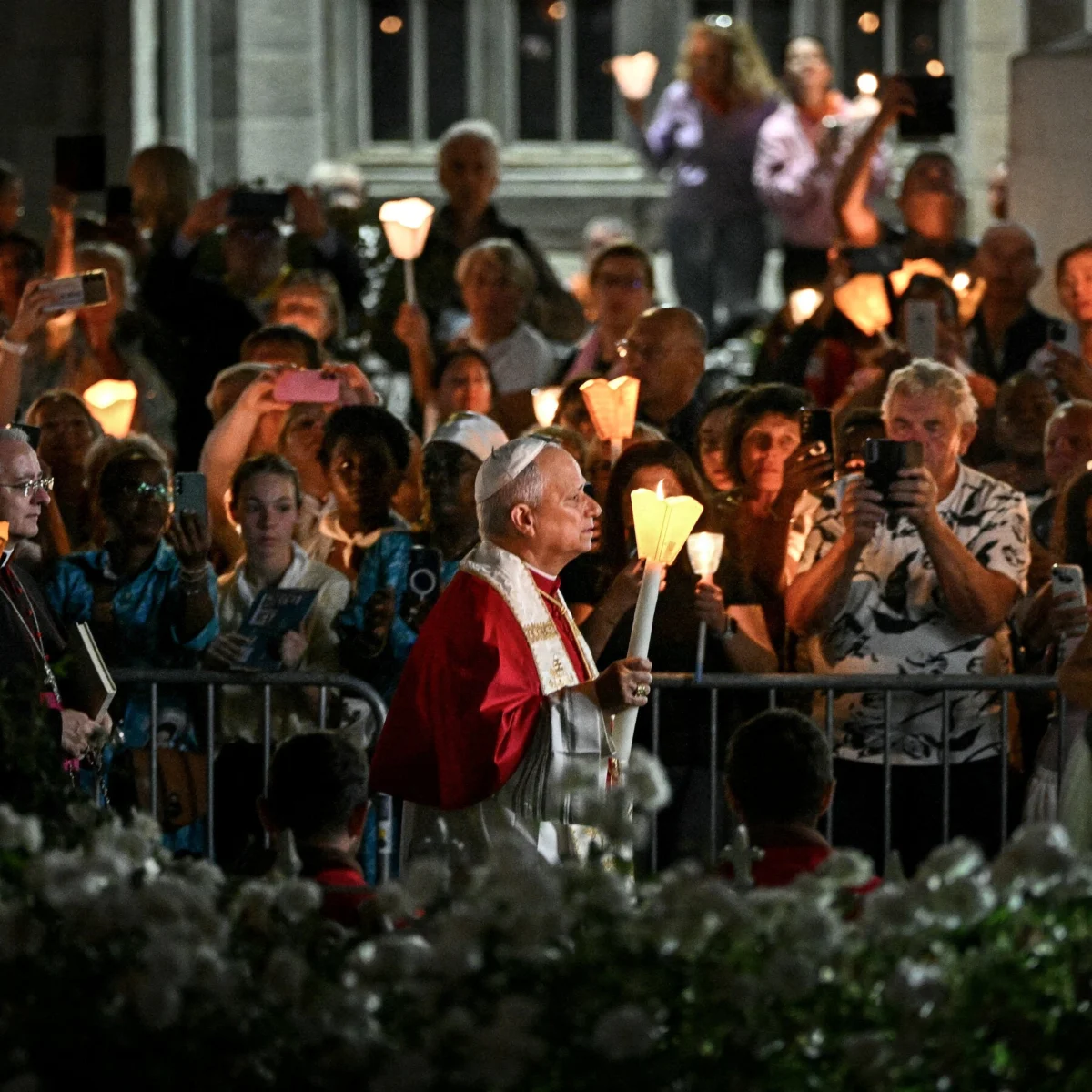
Leo’s decision to publicly disclose his lung condition has intensified long-standing questions about how openly the Vatican communicates about papal health. While his direct announcement was more transparent than past papal approaches, uncertainties persist, prompting close scrutiny of Vatican statements.
The mystery surrounding the specifics of Leo’s condition and its implications continues to fuel debate over whether the Vatican will maintain greater openness in future health matters. Analysts and observers are parsing every official statement for potential hidden meanings, reflecting broader concerns about institutional candor at the highest levels of the Catholic Church.
KEY FACTS
- Leo announced his lung condition directly, displaying greater candor than many predecessors.
- Mysteries remain despite his public disclosure of health information.
- Papal statements are being scrutinized for potential hidden meanings.
- Debate continues over whether the Vatican communicates transparently about papal health.
THE STORY
How Did We Get Here?
Historical patterns of papal health communication have often relied on carefully worded updates from Vatican officials, leaving the faithful to interpret ambiguous phrasing. Leo’s choice to break with that tradition by speaking directly about his lung condition marked a significant departure from precedent. This shift toward personal disclosure, however, has not eliminated uncertainty about his overall prognosis or the long-term implications for his leadership. Analysts note that while directness can reduce speculation, incomplete details may invite further questions about institutional transparency. The tension between privacy, pastoral responsibility, and public interest continues to shape how the Vatican navigates sensitive health matters.
What Happens Next?
Observers expect future papal updates to be weighed not only for medical content but also for diplomatic phrasing, given the heightened attention already focused on Leo’s communications. Should additional health developments arise, the manner and timing of official announcements may face renewed examination from both the faithful and international media. The precedent set by Leo’s upfront approach could influence how subsequent papal health matters are handled, potentially reshaping expectations for institutional openness within the Catholic Church. How future statements are crafted and received will likely determine whether this moment represents a lasting shift toward greater transparency or a temporary departure from traditional Vatican protocol.
WHAT WE KNOW — AND WHAT WE DON’T
Verified by the source:
- Leo personally announced having a lung condition.
- His announcement was described as more forthcoming than many previous papal disclosures.
- Some details about his health situation remain unclear or undisclosed.
- Vatican statements are receiving increased scrutiny for underlying meaning.
Still unconfirmed:
- The specific nature and severity of Leo’s lung condition.
- The timeline or prognosis associated with his diagnosis.
- Whether additional health updates will follow.
Meta: This single-source article reports verified facts from one publication but lacks independent corroboration.
WHY IT MATTERS
Questions about papal health disclosure touch on broader issues of institutional trust, religious authority, and how global institutions balance transparency with privacy in an age of constant public scrutiny.
WHAT TO WATCH
Future official statements from the Vatican regarding Leo’s health will likely be evaluated for both their content and their tone, shaping expectations for papal communication going forward.