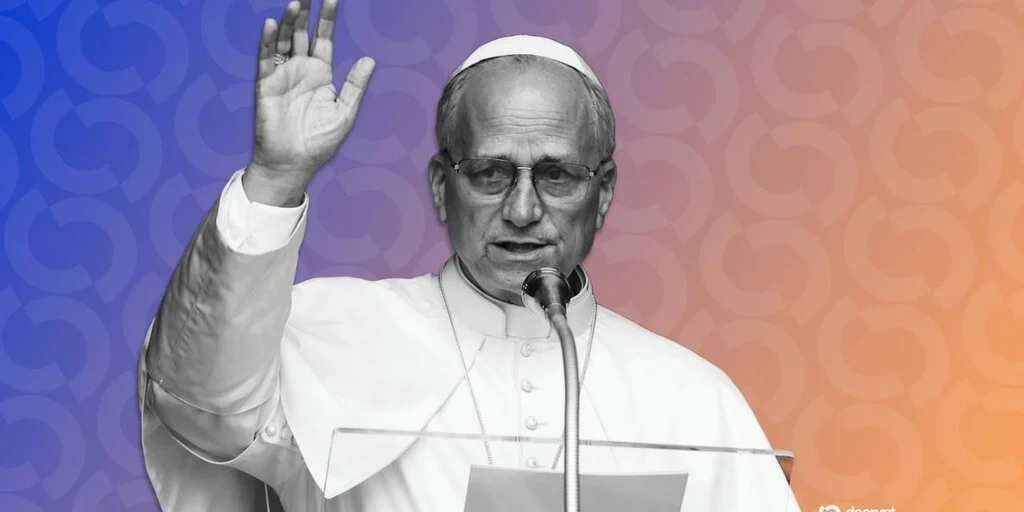
The Pope has voiced criticism of AI-generated artwork, stating that algorithms lack the spark of humanity. This follows a broader conversation about the role of artificial intelligence in creative fields.
The Vatican’s stance reflects ongoing concerns about AI art and its impact on traditional artistic expression. As AI tools become more sophisticated, questions arise about authenticity, creativity, and the value of human involvement in art.
KEY FACTS
- The Pope stated that AI algorithms lack the spark of humanity.
- The Vatican aims to renew its alliance with artists and cultural institutions.
- The Pope’s comments were specifically about AI art and its role in creative expression.
- His views were published in an article by Decrypt.
What Happens Next?
Following the Pope’s remarks, the Vatican is expected to deepen its engagement with artists and cultural institutions. This may involve forming new partnerships or initiatives aimed at preserving human creativity in the face of advancing AI technologies. The response from the global artistic community remains to be seen, though some creators have already begun exploring or resisting AI tools in their work. As AI continues to evolve, religious and cultural leaders may find themselves at the center of debates over intellectual property, authorship, and the definition of art itself. What role AI plays in future artistic expression will likely depend on how these discussions unfold in both institutional and grassroots settings.
Background on AI Art and Cultural Concerns
AI-generated art refers to images, music, or other creative outputs produced using machine learning models trained on vast datasets of existing works. These tools can mimic styles of famous artists or generate entirely novel compositions. However, critics argue that such creations lack the emotional depth and intentionality found in human-made art. The Pope’s comments echo concerns raised by philosophers, ethicists, and artists who question whether machines can truly create meaning. The Vatican’s move to strengthen ties with cultural figures signals an effort to influence this dialogue from a moral and spiritual perspective, especially within a world where technology increasingly shapes daily life. By aligning with creatives, the Church may also be seeking to reaffirm the dignity of human labor and imagination.
Why It Matters
The intersection of AI and creativity affects not only artists but also consumers of culture, educators, and policymakers. As generative AI becomes more accessible, it raises urgent questions about copyright, compensation, and the future of creative careers. The Pope’s intervention underscores how AI art is influencing conversations beyond technology circles—reaching into ethics, religion, and society-wide notions of what makes us uniquely human. Whether through new regulations, educational programs, or collaborative frameworks between technologists and artists, the decisions made now will shape how future generations define and value art. His call to action invites reflection on balancing innovation with tradition, progress with preservation, and machine capability with human soul.
What We Know — and What We Don’t
Verified by the source:
- The Pope said AI algorithms lack the spark of humanity.
- The Vatican wants to renew its alliance with artists and cultural institutions.
- These comments were reported by Decrypt.
Still unconfirmed:
- No specific date or context for the Pope’s statement was given.
- The exact mechanism for renewing the alliance is not detailed.
- No immediate response from the artistic community has been reported.
Why It Matters
The Pope’s critique places the Catholic Church among global voices examining AI’s cultural implications. With [tech-ai] evolving rapidly, ethical frameworks rooted in faith traditions may help guide responsible development and use. Similarly, sectors like [trading-crypto] are seeing AI applied to trading algorithms and digital assets, adding urgency to debates about automation and oversight.
What To Watch
Future developments may include formal Vatican-led initiatives involving artists and technologists. Updates could emerge through papal addresses, cultural events, or partnerships announced by the Vatican.