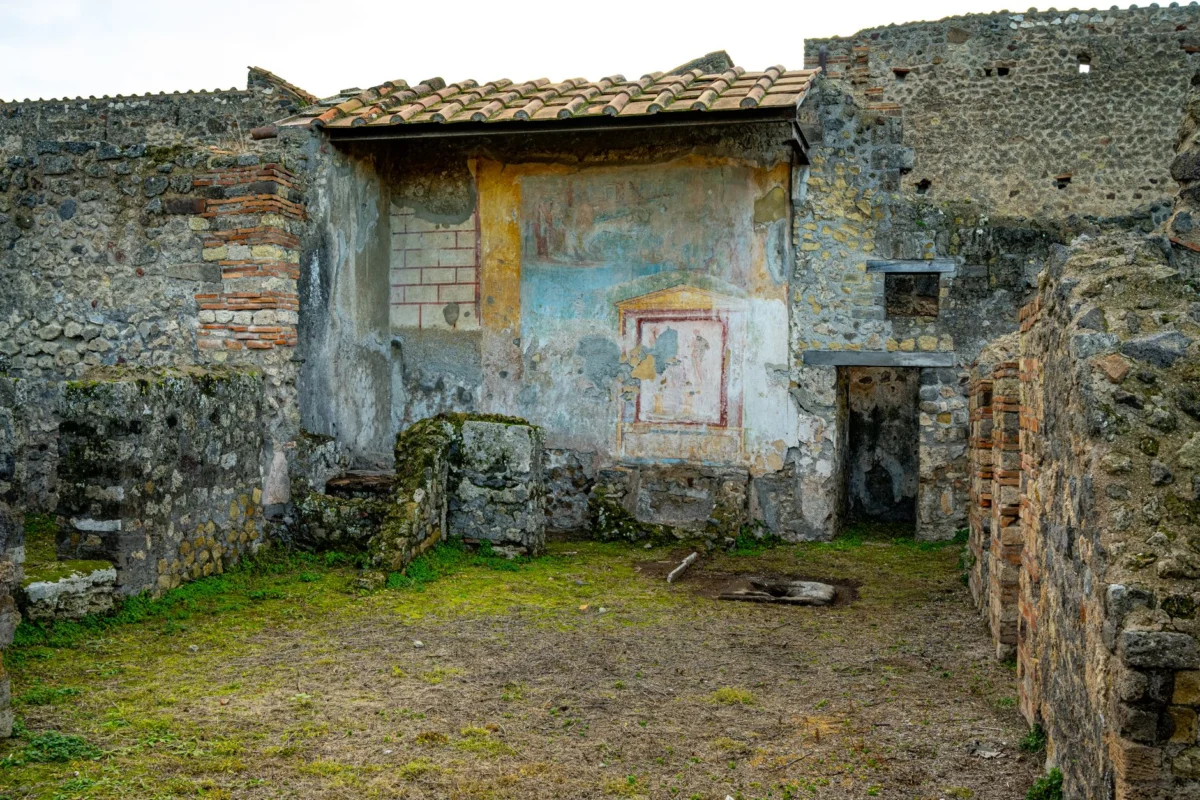
Pompeii’s grandest house has received a $1.6 million restoration, fully funded by a private sponsor. The project marks one of the largest private contributions toward preserving the ruins of the ancient Roman city buried by volcanic ash nearly 2,000 years ago.
The restoration work focused on the most elaborate residence ever discovered in Pompeii, showcasing the opulence and architectural sophistication of Roman domestic life before Mount Vesuvius erupted in 79 AD. The site continues to draw millions of visitors annually, relying increasingly on private funding to maintain its fragile structures.
Key Facts
- $1.6 million restoration funded by a private sponsor
- Work focused on Pompeii’s grandest house
- Project represents major private contribution to site preservation
- Pompeii remains one of the most visited archaeological sites in the world
- The site was buried by Mount Vesuvius in 79 AD
What Funding Supports
The $1.6 million restoration supports critical preservation of a structure considered the grandest ever uncovered at the Pompeii archaeological site. Ancient Roman homes of this scale required complex engineering, including courtyards, mosaics, frescoes, and advanced water systems. Over time, exposure to weather and tourism has caused deterioration of these elements, making private funding essential for ongoing maintenance.
Restoration efforts like this highlight the growing reliance on private benefactors to protect cultural heritage sites that face chronic underfunding from public sources. This Pompeii house restoration project reflects a broader trend where private donations help bridge gaps left by government budgets.
Why Private Sponsors Step In
Public funding alone often falls short of covering the full cost of preserving large archaeological sites like Pompeii, where millions of visitors walk through ruins daily. Private sponsors provide financial support that allows restorers to stabilize walls, repair mosaics, and protect frescoes without waiting for lengthy approval or budget cycles. This Pompeii house restoration demonstrates how targeted philanthropy can directly impact cultural stewardship.
Such partnerships between private entities and heritage organizations are becoming more common. They offer sponsors visibility while ensuring that historically significant structures receive timely care rather than prolonged neglect.
What We Know — and What We Don’t
Verified by the source:
- The restoration cost approximately $1.6 million
- A private sponsor provided full funding
- The project targeted Pompeii’s grandest house
- The site was buried by Mount Vesuvius in 79 AD
Still unconfirmed:
- Identity of the sponsoring organization or individual
- Timeline for completion or start date of the work
- Specific techniques used in the restoration process
- Expected duration of the preserved structure’s stability
Why It Matters
This Pompeii house restoration underscores how private investment can safeguard irreplaceable cultural landmarks. As global heritage sites face mounting pressures from climate change, tourism, and aging infrastructure, collaborations between donors and conservators play an increasingly vital role in securing these spaces for future generations.
What To Watch
Further details about additional private contributions and future restoration priorities may emerge as Pompeii continues its multi-year preservation strategy. Updates are expected as other sponsors announce similar partnerships.