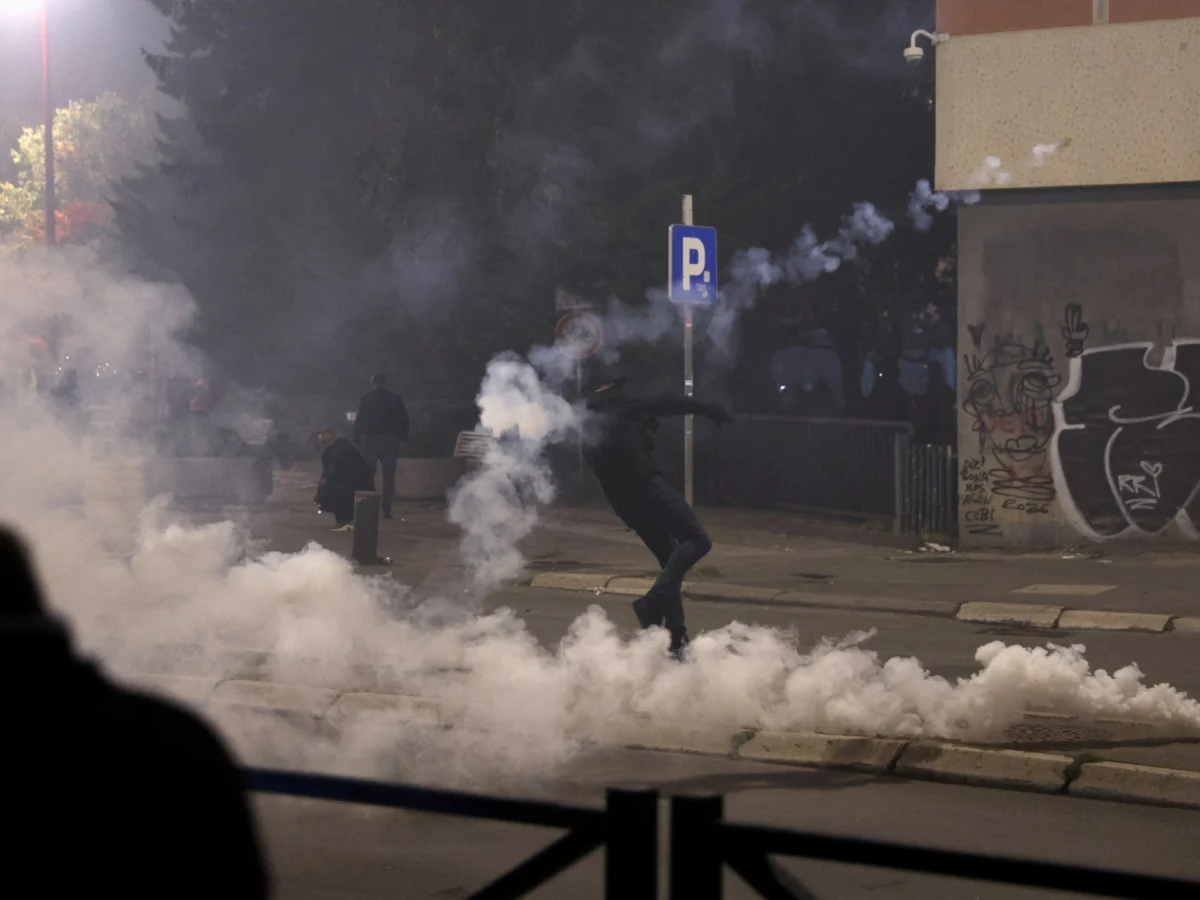
Kosovo police clashed with protesters demonstrating against a government plan to restrict the Hague war crimes court, according to reports. The confrontation reflects deepening tensions over the international court’s role in the country’s legal system.
The political fight over the Hague war crimes court has emerged as a factor in ongoing negotiations to organize a new presidential election in the Balkan nation. Details about casualties, specific locations, or the scale of the clashes were not provided in initial reports.
KEY FACTS
- Police clash with Kosovo protesters occurred over proposed limits on the Hague war crimes court
- The Hague war crimes court dispute is influencing negotiations for a new presidential election
The Hague War Crimes Court Controversy
The Hague war crimes court refers to the International Criminal Tribunal for the former Yugoslavia (ICTY), established by the United Nations to prosecute war crimes committed during the conflicts in the Balkans in the 1990s. The tribunal was based in The Hague, Netherlands, and handled cases involving crimes committed across several countries of the former Yugoslavia, including Kosovo when it was part of Serbia.
Proposals to limit the court’s jurisdiction or cooperation with it have sparked controversy among groups who view such moves as undermining accountability for war crimes. These proposals often generate strong reactions from victims’ families and international observers who emphasize the importance of maintaining judicial independence and continued cooperation with international legal bodies.
Previous attempts to alter cooperation with the Hague court have led to diplomatic tensions between Kosovo and international partners, including the European Union and the United States, which have historically supported the tribunal’s mission to prosecute war crimes from the 1990s conflicts.
How This Affects the Presidential Election Process
The political dispute over the Hague war crimes court has become entangled with efforts to organize a new presidential election in Kosovo. The country has faced ongoing challenges in maintaining stable governance, and disputes over international legal cooperation have previously contributed to political instability and delays in electoral processes.
Election negotiations typically involve multiple political parties and require consensus on various procedural matters, including voter registration, candidate eligibility, and logistical arrangements. When significant policy disputes arise, they can complicate these negotiations and potentially delay scheduled elections or lead to changes in leadership.
International observers, including representatives from the European Union and other diplomatic missions, often play a mediating role during such political crises. The outcome of these negotiations can significantly impact Kosovo’s relationships with international institutions and its prospects for EU integration.
What We Know — and What We Don t
Verified by the source:
- Police clashed with protesters in Kosovo
- The protest concerned plans to limit the Hague war crimes court
- The court dispute is affecting presidential election negotiations
Still unconfirmed:
- The number of protesters involved in the demonstration
- Casualties or injuries from the police-protester confrontation
- Specific government proposals for limiting the court’s authority
- Names of political figures involved in election negotiations
- The exact timeline for new presidential elections
Why It Matters
This story matters because it touches on fundamental questions of accountability for war crimes and the rule of law in the Balkans. The region continues to grapple with the legacy of the 1990s conflicts, and disputes over how to address past atrocities can influence current political dynamics and international relations. Kosovo’s position on the Hague court also affects its standing in European integration efforts and its relationships with international partners.
What To Watch
Further developments in the presidential election negotiations and potential responses from international diplomatic bodies overseeing Kosovo’s political situation.