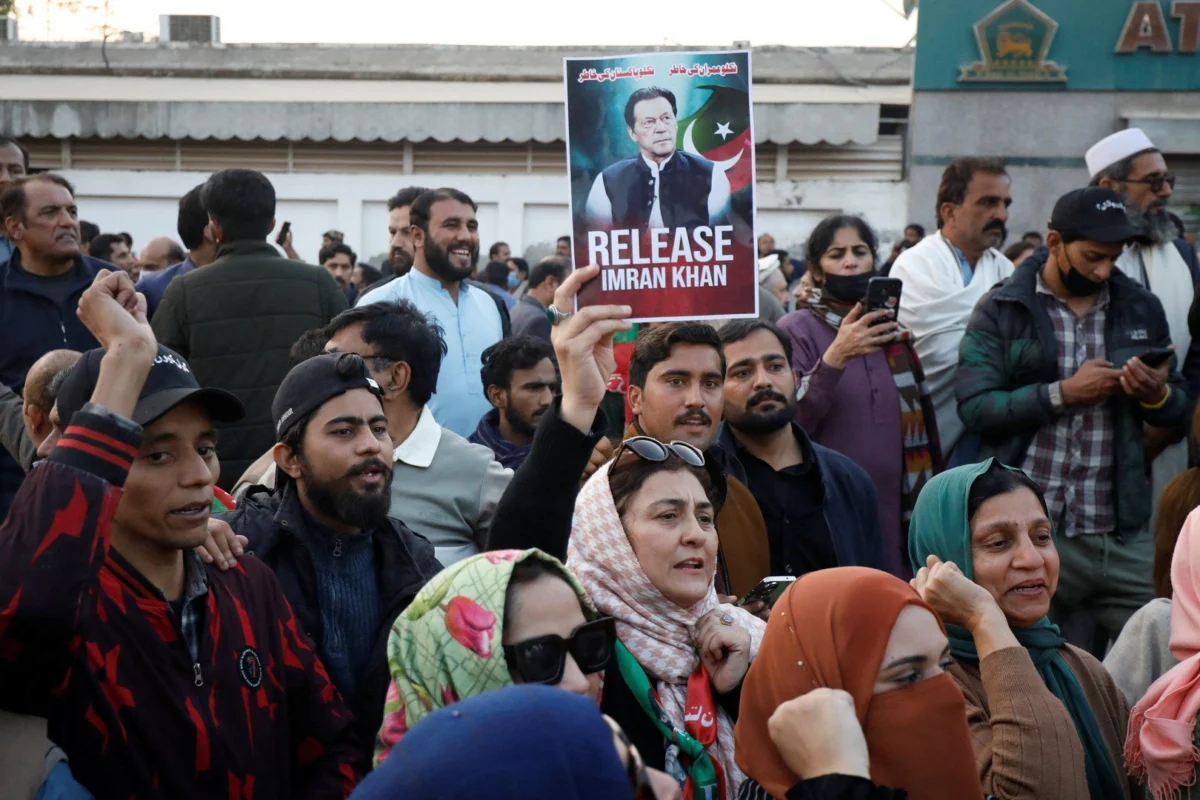
Pakistani police used tear gas against supporters of former Prime Minister Imran Khan during protests marking the anniversary of his imprisonment in Rawalpindi. The demonstrations come one year after Khan’s controversial arrest triggered nationwide unrest.
Al Jazeera reports authorities dispersed crowds gathering to demand Khan’s release, though the exact scale of participation remains unclear. The former cricket star turned politician remains Pakistan’s most prominent opposition figure despite his imprisonment on charges he claims are politically motivated.
Key Facts
- Pakistan police fired tear gas at Imran Khan supporters in Rawalpindi
- Protests marked the anniversary of Khan’s imprisonment
- Khan is Pakistan’s former prime minister and current opposition leader
- The incident was reported by Al Jazeera via video footage
Why are supporters protesting?
Khan’s Pakistan Tehreek-e-Insaf (PTI) party has consistently disputed the legitimacy of his imprisonment. Supporters view the multiple legal cases against him as part of an establishment effort to remove him from politics. The former leader was ousted via parliamentary no-confidence vote in 2022 before facing subsequent arrests.
What’s the political context?
Pakistan has experienced heightened political tensions since Khan’s removal, with his party alleging military interference in democratic processes. The government maintains legal proceedings follow due process. International observers have expressed concerns about political freedoms in Pakistan, which shares crucial relations with both China and Western nations.
What We Know — and What We Don’t
Verified by the source:
- Police used tear gas against Imran Khan supporters in Rawalpindi
- The protest marked Khan’s imprisonment anniversary
Still unconfirmed:
- The number of participants or arrests made
- Whether any injuries occurred during the clashes
- Official statements about the incident
Why It Matters
The continuing unrest underscores Pakistan’s fragile political stability ahead of critical governance challenges. As a nuclear-armed nation of 240 million people facing economic crisis, political volatility raises regional security concerns and impacts foreign investment decisions.
What To Watch
Political analysts will monitor whether the protests expand to other cities, and how authorities balance security measures with protest rights. International reactions and any shifts in Pakistan’s domestic political alliances could signal future directions.