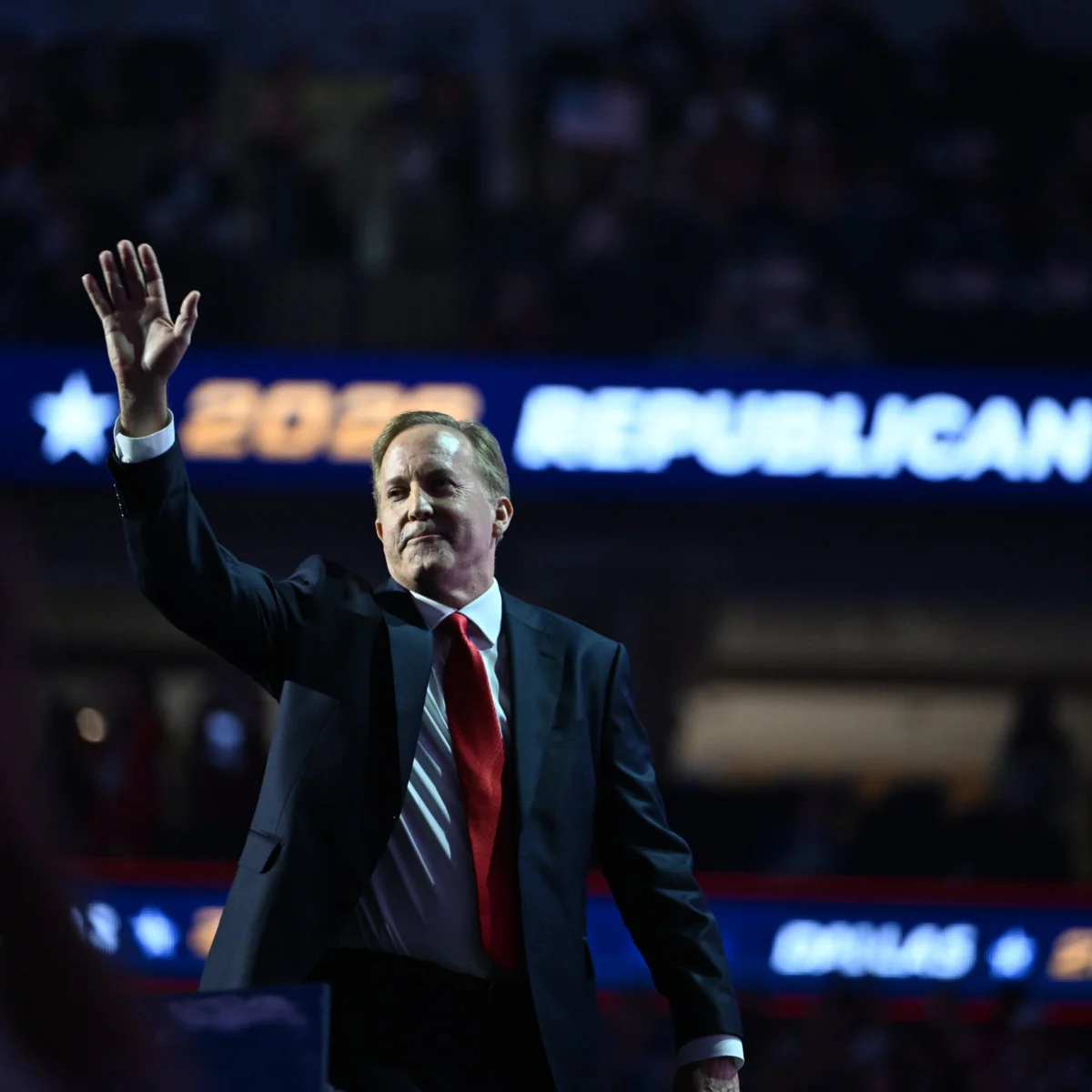
In an era of intense political division, scandal politics alone rarely forces politicians from office, suggesting deeper cultural and institutional shifts in how misconduct is judged. The phenomenon reflects more than mere shamelessness, pointing instead to structural changes in media consumption, party loyalty, and voter accountability. As traditional gatekeepers lose influence, the consequences of scandal have become unevenly distributed across the political spectrum.
This dynamic reshapes the relationship between public trust and elected leadership, raising questions about accountability in democratic systems.
Key Facts
- Scandals increasingly fail to remove politicians from office.
- Shamelessness alone does not explain the trend.
- Polarization plays a central role in shaping public responses.
- Party loyalty influences voter reactions to misconduct claims.
Scandal Politics: Beyond Shamelessness
Scandal politics today operates within a media environment where audiences self-select information aligned with their beliefs. Rather than a shared moral framework, competing narratives dominate, allowing officials to weather accusations that once triggered resignation. Trust in institutions once seen as neutral validators has eroded, leaving partisan identity as a stronger predictor of whether a scandal sticks.
Leaders no longer rely solely on personal conduct to maintain power; they benefit from echo chambers that reframe accusations as politically motivated attacks. This transformation challenges long-standing norms governing electoral accountability.
How Did We Get Here?
Historical shifts in broadcasting and digital platforms fragmented national discourse into niche communities. Where once major networks set a common agenda, today’s landscape rewards engagement over consensus. Scandal politics became weaponized, with each side accusing the other of hypocrisy while defending its own.
As mainstream journalism lost its gatekeeping role, alternative sources gained traction, normalizing skepticism toward official investigations. These changes weakened the conditions that previously enabled scandal-driven departures.
Who Is Affected?
Elected officials at every level benefit from diminished scandal consequences, though outcomes vary by officeholder type and constituency. Voters increasingly view allegations through partisan lenses, reducing incentives for cross-party cooperation on accountability measures. Reform advocates warn that weakened repercussions threaten democratic legitimacy.
Public trust erodes when misconduct appears tolerated, yet polling shows persistent distrust across institutions. The cycle reinforces itself: as norms weaken, expectations for ethical behavior decline further.
What We Know — and What We Don’t
Verified by the source:
- Scandals no longer reliably remove politicians from office.
- The issue involves factors beyond shamelessness.
- Polarization contributes to changing public reactions.
- Media fragmentation influences scandal perception.
Still unconfirmed:
- No specific scandals cited by name.
- No timeline provided for future political fallout.
- No quoted experts or officials included.
Modern scandal politics proves resilient because polarization shields leaders from consequences, reshaping democratic accountability standards.
Why It Matters
The declining impact of scandal politics affects how citizens hold leaders accountable. When misconduct fails to trigger removal, voters must seek alternative mechanisms for oversight, yet institutional responses remain constrained by divided loyalties. This tension undermines public confidence in democratic governance broadly.
What To Watch
Future developments may hinge on whether emerging reform movements gain traction across party lines, though current indicators suggest scandal politics will remain a persistent feature of electoral life.